
Shure SM7B Review: The Broadcast Mic That Actually Lives Up to the Hype
Shure SM7B Review: The Broadcast Mic That Actually Lives Up to the Hype
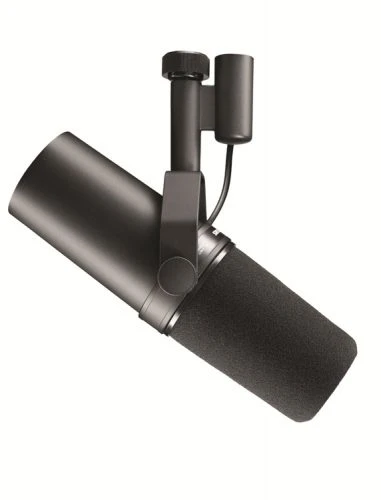
So you've seen it everywhere. Behind Joe Rogan. On every second YouTube studio tour. And now you're wondering—is the Shure SM7B actually worth the investment, or is it just heaps of hype? Honestly? It's both. But mostly the former.
Here's the thing. This mic's been around since 1973. Fifty years. And it's more popular now than ever. That doesn't happen by accident, mate.
What Makes the SM7B So Bloody Special?
At its core, the SM7B is a dynamic cardioid microphone built for broadcast, podcasting, and vocal recording. But calling it "just a mic" is like calling a Porsche "just a car." There's engineering here that you can actually hear.
The flat, wide-range frequency response (50Hz to 20kHz) means your voice comes through natural. Not hyped. Not artificial. Just... you. And that electromagnetic shielding? Absolute lifesaver if you're recording near computers, monitors, or any gear throwing off interference.
It rejects room noise like a bouncer at a Sydney nightclub. Recording in a less-than-perfect space? The SM7B doesn't care. It focuses on what's in front of it and ignores everything else.
Ready to upgrade your audio game? Check out the Shure SM7B at Music On Stage with fast Aussie shipping.
Who Actually Needs This Microphone?
Podcasters. Streamers. Vocalists. Voice-over artists. Radio broadcasters. Pretty much anyone who talks or sings into a microphone professionally (or wants to sound like they do).
But here's where it gets interesting. The SM7B was famously used to record Michael Jackson's "Thriller." That's not marketing fluff—it's documented history. If it's good enough for the King of Pop, it's probably good enough for your home studio, yeah?
Now, a quick reality check. This mic needs gain. Heaps of it. Your interface's preamp might struggle. That's not a flaw—it's just physics. Dynamic mics are less sensitive than condensers. Solution? A Cloudlifter, FetHead, or an interface with serious preamp power. Problem solved.
Key Features That Actually Matter
- Bass rolloff switch: Cuts low-end rumble. Handy for treating boomy rooms or taming proximity effect.
- Presence peak switch: Adds a subtle mid-range boost for extra vocal clarity and cut-through.
- Yoke mounting: Easily positions on any standard boom arm with the included hardware.
- Internal shock isolation: Reduces mechanical noise and vibrations. No external shock mount needed.
- Replaceable windscreen: The A7WS foam windscreen handles plosives beautifully.
What I reckon sets this apart? Versatility. Flip those switches and the SM7B transforms. Warm and intimate for podcasts. Bright and present for aggressive vocals. It adapts.
SM7B vs Rode PodMic vs Electro-Voice RE20: Quick Comparison
| Feature | SM7B | Rode PodMic | EV RE20 |
|---|---|---|---|
| Price (AUD) | ~$650 | ~$180 | ~$750 |
| Frequency Response | 50Hz-20kHz | 20Hz-20kHz | 45Hz-18kHz |
| Gain Required | High | Medium | High |
| Best For | Broadcast, vocals | Budget podcasting | Broadcast, bass voices |
The Rode's a ripper for the price. No worries there. But the SM7B sits in a different league—smoother, more refined, more broadcast-ready. The RE20's comparable but heavier and pricier. For most Aussie creators? The SM7B hits the sweet spot.
Setting Up Your SM7B in Australia
Right, practical stuff. You'll need:
- A sturdy boom arm (the SM7B weighs 765g—flimsy arms won't cut it)
- An XLR cable (quality matters, skip the $10 eBay specials)
- An audio interface with decent gain (60dB minimum)
- Optional: Cloudlifter or similar inline preamp for extra clean gain
Position the mic 2-4 inches from your mouth. Speak across it, not directly into it. This reduces plosives and gives that classic broadcast tone. Takes five minutes to dial in. Sounds professional immediately.
Want that studio sound? Grab your SM7B from Music On Stage today—authorised Australian dealer with local warranty support.
Common Questions About the SM7B
Does it work for singing, not just speech?
Absolutely. Rock, hip-hop, aggressive vocals—it handles them brilliantly. Smooth genres might prefer a condenser, but the SM7B's no slouch.
Is it worth the price over cheaper alternatives?
Depends on your ears and your goals. But most people who upgrade to the SM7B don't look back. There's a reason it's industry standard.
Will my Focusrite Scarlett power it properly?
Sort of. You'll likely max out the gain and still want more. A Cloudlifter adds 25dB of clean gain and solves this completely.
Final Verdict: Should You Buy the Shure SM7B?
Look, I'll be straight with you. The SM7B isn't cheap. It needs extra gear to shine. And there are budget alternatives that'll get you 70% of the way there for a third of the price.
But. That remaining 30%? That's where professional sounds. That's the difference between "good enough" and "bloody hell, that sounds amazing." The SM7B delivers every single time, session after session, year after year.
If you're serious about audio—podcasting, streaming, recording vocals—this is the mic that grows with you. Buy it once, use it for decades.
Don't wait on this one. Order your Shure SM7B from Music On Stage with fast Australian shipping, local warranty, and genuine product guarantee. Your audience will hear the difference.