
Shure SM7B Microphone: Real-World Use Cases Guide 2026
Shure SM7B Microphone: Real-World Use Cases Guide 2026
If you've spent any time watching professional podcasters, streamers, or recording vocalists at work, you've almost certainly seen the Shure SM7B. That distinctive matte-black, cylindrical microphone has become something of an icon, and for good reason. But here's the thing most reviews skip over: the SM7B isn't right for everyone, and how well it works for you depends entirely on how you plan to use it.
This guide takes a practical, scenario-based approach. Rather than just listing specs, we'll walk through exactly how the SM7B performs in the real-world situations Australian buyers actually find themselves in — from a spare-bedroom podcast studio to a professional broadcast booth. By the end, you'll know whether this microphone genuinely fits your setup.
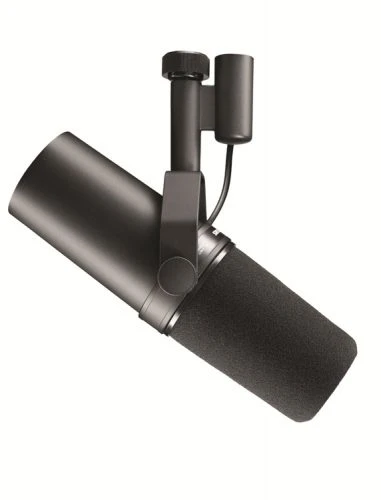
What the SM7B Actually Is (And Why It Matters for Your Use Case)
The Shure SM7B is a dynamic cardioid microphone, and that single fact shapes everything about how it behaves in the real world. Unlike the condenser microphones many beginners reach for first, a dynamic mic is far less sensitive to background noise. It listens to what's directly in front of it and largely ignores the rest of the room.
Why does this matter practically? Because most of us aren't recording in acoustically treated studios. We're recording in home offices with hard walls, ceiling fans, traffic outside, and the occasional dog barking down the hall. The SM7B's design means it captures your voice while keeping a lot of that environmental chaos out of your recording. That's the single biggest reason it has dominated the podcasting and streaming worlds.
It also features built-in pop filtering, a smooth frequency response tailored for voice, and switchable bass roll-off and presence boost settings — small touches that make a real difference depending on the job at hand.
Use Case 1: Podcasting From a Home Studio
This is where the SM7B truly shines, and it's probably why most people researching it have landed on this page. If you're recording a podcast from a spare room, garage, or home office, the SM7B handles the messy reality of untreated spaces remarkably well.
Picture a typical scenario: you're recording a two-hour interview episode in your study. There's a slight echo off the walls, your laptop fan is humming, and your partner is watching TV in the next room. A sensitive condenser mic would pick up all of that. The SM7B, used up close the way it's designed to be, focuses tightly on your voice and leaves most of the rest behind.
The result is that warm, intimate, broadcast-quality sound you hear on professional shows. Speaking close to the microphone — within a few centimetres — also triggers the proximity effect, adding a rich low-end warmth that makes voices sound authoritative and polished.
The catch you need to know about: The SM7B is a low-output microphone. It needs a lot of clean gain to reach a usable level. For podcasting this means you'll likely want either an audio interface with strong, quiet preamps or an inline gain booster. We'll cover this properly in the setup section, because it trips up more first-time buyers than any other single issue.
Use Case 2: Live Streaming and Content Creation
For Twitch streamers, YouTubers, and live content creators, the SM7B offers a couple of practical advantages that go beyond pure sound quality.
First, that off-axis rejection is a genuine lifesaver. Gaming setups are noisy — mechanical keyboards, mouse clicks, PC fans whirring away under the desk. Because the SM7B rejects sound from the sides and rear, you can have a clattering keyboard right in front of you and still keep it largely out of your stream audio, especially when the mic is positioned on a boom arm angled toward your mouth.
Second, the SM7B looks the part. This sounds superficial, but for creators whose face and desk are on camera, the microphone's clean, professional appearance has become part of the aesthetic. It signals to your audience that you take production seriously.
In practice, streamers typically mount the SM7B on a sturdy boom arm so it can be positioned close without dominating the camera frame. The combination of strong noise rejection and an established look explains why it's so common in the streaming world.
Use Case 3: Recording Vocals for Music
The SM7B has a long pedigree in music recording — Michael Jackson's Thriller vocals were famously tracked on one. For home and project-studio musicians, it's a genuinely versatile vocal mic.
It excels on loud, powerful vocal performances. Because it's a dynamic mic, it can handle high sound pressure levels without distorting, making it well suited to rock, rap, and energetic delivery where a sensitive condenser might struggle or pick up too much room. Rappers and rock vocalists in particular love how it handles aggressive, close-up performances.
It's also a strong choice for recording in untreated home studios. If your "vocal booth" is actually your bedroom wardrobe, the SM7B's room rejection will give you cleaner takes than a condenser would in the same space.
Where it's less ideal: if you're after that airy, ultra-detailed, sparkly top end on soft, breathy vocals, a quality large-diaphragm condenser in a treated room may serve you better. The SM7B is smooth and warm rather than hyper-detailed — a strength for many genres, but worth understanding before you buy.
Use Case 4: Broadcast and Voiceover Work
The SM7B was originally designed with broadcast in mind, and it remains a staple in radio stations and voiceover booths. For narration, audiobook recording, e-learning content, and radio-style presentation, it delivers that classic, trustworthy "radio voice" sound.
The switchable presence boost and bass roll-off are particularly handy here. Voiceover artists can dial in clarity for spoken-word intelligibility, or warmth for a more relaxed, conversational read. If your work involves long voiceover sessions, the consistent, fatigue-free tone of the SM7B is a real practical benefit.
Matching the SM7B to Your Skill Level
For Beginners
Honestly? The SM7B can be a slightly demanding first microphone — not because it's hard to use day to day, but because of the gain requirement we keep mentioning. If you pair it with a weak audio interface, you'll be disappointed, crank the gain too high, and end up with a hissy, noisy recording. Beginners who do their homework on the gain situation, however, get a mic they'll never need to upgrade from. It genuinely grows with you.
For Enthusiasts and Semi-Pros
This is the SM7B's sweet spot. If you're a serious podcaster, a growing streamer, or a home-studio musician who already owns a decent interface, the SM7B is an easy recommendation. It bridges the gap between hobbyist gear and professional results.
For Professionals
Plenty of working professionals use the SM7B daily across broadcast, commercial podcast production, and music. It's a known quantity, it's reliable, and it sounds consistent take after take. For pros, it's less a leap of faith and more a trusted workhorse.
Check current pricing and availability on the Shure SM7B here.
The Setup Reality: What You Actually Need
Let's address the elephant in the room properly, because getting this right is the difference between loving and hating your SM7B.
- A capable audio interface. The SM7B needs roughly 60dB of clean gain to sing. Many budget interfaces top out around 50-55dB and get noisy near the top. An interface with strong, quiet preamps solves this directly.
- Or an inline gain booster. Devices like a Cloudlifter or FetHead add 20-25dB of clean gain before the signal hits your interface, letting almost any interface drive the SM7B comfortably. For many home users, this is the simplest fix.
- A solid boom arm. The SM7B is reasonably heavy, so a flimsy arm will droop. A sturdy, properly weighted arm keeps positioning consistent and tidy.
- An XLR cable. The SM7B is an XLR microphone, not USB — so you can't plug it straight into your computer. Factor this into your budget and your expectations.
How the SM7B Compares in These Scenarios
It's worth being honest about where alternatives might serve you better depending on the application:
- Versus a USB microphone: If you want plug-and-play simplicity and a tight budget, a quality USB dynamic mic gets you 80% of the way with none of the gain headaches. The SM7B is the better long-term investment, but the USB option is more beginner-friendly.
- Versus other XLR dynamics: There are excellent broadcast dynamics that need less gain and cost less. They're genuinely great. The SM7B's edge is its proven, refined voicing and its bulletproof consistency across every use case above.
- Versus a condenser: In a treated room chasing maximum detail on delicate vocals, a condenser can win. In any untreated, noisy real-world space — which is most of us — the SM7B is the safer, more forgiving choice.
Common Mistakes to Avoid
- Underestimating gain. The number one regret of new SM7B owners. Sort your interface or gain booster before you buy the mic.
- Sitting too far away. The SM7B is designed for close-up use. Back off to condenser distances and you'll lose warmth and pull in more room noise.
- Expecting USB convenience. This is a pro-style XLR mic. Embrace the small learning curve and it rewards you.
- Skipping the boom arm. Hand-on-desk vibrations and inconsistent positioning undermine an otherwise great mic.
Frequently Asked Questions
Is the Shure SM7B good for beginners?
It can be, provided you understand the gain requirement upfront. Pair it with a strong interface or an inline gain booster and even a first-time user will get excellent results. Go in unprepared and you'll fight it.
Can I plug the SM7B straight into my computer?
No. It's an XLR microphone, so you need an audio interface (or a dedicated XLR-to-USB device) in between. There's no built-in USB connection.
Do I really need a Cloudlifter or similar?
Not always. If your audio interface already has strong, clean preamps with plenty of headroom, you may not need one. If you're using a budget interface, an inline gain booster is one of the cheapest ways to unlock the SM7B's full potential.
Is the SM7B worth it for streaming specifically?
For serious streamers, yes. Its noise rejection handles loud keyboards and PC fans superbly, and it looks professional on camera. Casual streamers on a tight budget might start with a USB dynamic instead.
Will it work in my untreated home room?
This is exactly where it excels. The cardioid dynamic design rejects much of the room reflection and background noise that plagues home recording, making it one of the most forgiving choices for spaces without acoustic treatment.
The Verdict: Is the SM7B Right for Your Situation?
The Shure SM7B earns its reputation across an impressively wide range of real-world uses. For podcasting and streaming in untreated home spaces, it's close to the perfect tool — forgiving, consistent, and professional-sounding. For vocal recording, it's a versatile workhorse that genuinely punches above its weight on loud, characterful performances. For broadcast and voiceover, it delivers that classic, trustworthy tone session after session.
The only real condition is the gain requirement. Sort that out — with a capable interface or an inline booster — and the SM7B will likely be the last vocal microphone you ever need to buy. It's the kind of purchase you make once and stop thinking about, which is exactly what you want from a piece of gear this central to your sound.
If your situation matches the scenarios above — and for most Australian podcasters, streamers, and home recordists, it will — the SM7B is an easy recommendation. View the Shure SM7B at MusiconStage to check current Australian pricing, or get in touch with the team if you'd like advice on pairing it with the right interface for your setup.