
Shure DMK57-52 Drum Mic Kit: Real-World Use Cases 2026
Shure DMK57-52 Drum Mic Kit: Real-World Use Cases for Aussie Drummers in 2026
If you've ever tried to mic up a drum kit with a random collection of vocal mics borrowed from the singer, you already know the problem this kit solves. Drums are loud, dynamic and physically spread out across a stage, and most general-purpose microphones simply weren't built to handle the job. The Shure DMK57-52 Drum Microphone Kit is Shure's answer for drummers and sound engineers who want a proven, no-nonsense package that just works — whether you're playing a pub in Newcastle, recording demos in a garage in Perth, or running Sunday services at a church in the suburbs.
This isn't a spec-sheet article. It's a practical look at how this kit actually performs in the real situations Australian musicians and techs find themselves in, who it suits, where it shines, and where you might hit its limits.
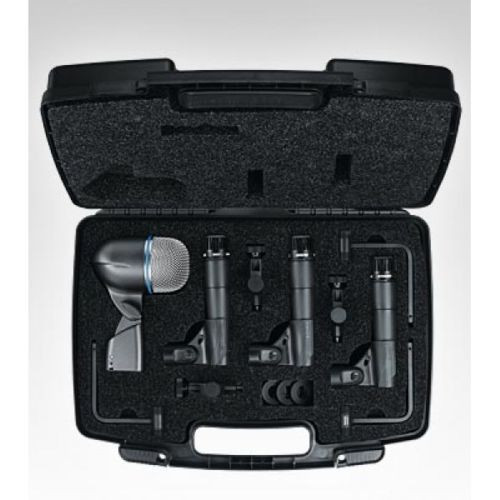
What's Actually in the Box
Before we get into scenarios, it helps to know exactly what you're working with, because the contents shape how you'll use it:
- 3 x Shure SM57 — the legendary dynamic instrument mics used for snare and toms (and a thousand other things)
- 1 x Shure Beta 52A — a purpose-built kick drum mic with a tailored low-end punch
- 3 x A56D drum mounts — clamp-style mounts that attach the SM57s directly to your drum rims
- Carrying case — a hard case so the whole rig travels as one tidy unit
The thinking behind this combination is simple and clever: cover the four most important parts of a drum kit — kick, snare and two toms — with mics specifically chosen for those jobs. You'll notice there are no overhead condensers in the box, and that's an intentional design choice we'll come back to, because it genuinely affects which use cases this kit fits best.
Real-World Application 1: The Working Pub and Club Band
This is the kit's natural home. If you're a gigging drummer or the sound person for a covers band doing Friday and Saturday nights, the DMK57-52 is almost purpose-built for you.
In a loud pub, you're not trying to capture every subtle nuance of the kit — you're trying to reinforce the drums so they cut through guitars, bass and a PA in a room with terrible acoustics. The SM57s on snare and toms reject the wash of cymbals and stage volume reasonably well thanks to their tight cardioid pattern, which means less feedback and a punchier mix. The Beta 52A on the kick delivers that chest-thumping low end that makes a dance floor move, without needing much EQ to get there.
The A56D mounts are a quiet hero here. Instead of cluttering an already-cramped stage with three extra mic stands, you clamp the snare and tom mics straight onto the rims. Setup and pack-down get dramatically faster — a real consideration when you're loading out at 1am and the venue wants you gone. For a hardworking band, the time saved over a year of gigs is significant.
Check current pricing and availability on the Shure DMK57-52 here if a touring-ready kit is what you're after.
Real-World Application 2: Churches and Community Venues
Houses of worship are one of the biggest users of drum mic kits in Australia, and the DMK57-52 fits the brief neatly. Church drumming is often in a partially enclosed booth or shield, the volunteers running sound may not be full-time engineers, and gear needs to be reliable week after week with minimal fuss.
The forgiving nature of the SM57 and Beta 52A really pays off here. These are mics you can hand to a Sunday volunteer, position roughly correctly, and still get a usable, solid sound. There's no fragile capsule to worry about, no phantom power required for the dynamics, and the consistency means once you dial in a sound, it stays put. For a venue that values set-and-forget reliability over studio perfection, that's exactly the right trade-off.
Real-World Application 3: Home and Project Studio Recording
Plenty of drummers buy this kit as the foundation of a home recording setup, and it's a smart starting point — with one important caveat.
For close-miking, this kit is excellent. The SM57 on snare is a genuine studio standard; countless hit records have a 57 on the snare. The Beta 52A captures a tight, controlled kick that sits well in a dense mix. If your music is rock, punk, metal or anything where you want drums that are punchy and aggressive rather than airy and natural, close mics alone can carry a surprising amount of the sound.
The caveat is overheads. Because the kit has no overhead condensers, you won't capture the cymbals, hi-hats and overall stereo image of the kit out of the box. For serious recording you'll almost certainly want to add a pair of overhead condenser mics down the track. Think of the DMK57-52 as the rock-solid close-mic core of a studio drum setup that you build outward from, rather than a complete recording solution on its own. Understanding this before you buy saves a lot of disappointment.
How It Compares for Different Scenarios
People often weigh this kit against a few alternatives, so here's an honest, scenario-based comparison:
- vs. cheaper all-in-one drum mic sets: Budget kits usually include overheads, which looks like better value on paper. But the individual mic quality, durability and resale value of genuine Shure mics is in another league. The SM57 and Beta 52A will still be working in fifteen years; many budget capsules won't survive a couple of touring seasons.
- vs. buying mics individually: Buying three SM57s and a Beta 52A separately costs more than the kit, and you'd still need to source mounts and a case. The DMK57-52 bundles all of that at a better price — it's the value play if this mic combination is what you want anyway.
- vs. a full 7-piece kit with overheads and hi-hat mic: If you regularly record detailed studio sessions or run large stages with full multitrack capture, a larger kit may suit better. For most pub bands, churches and project studios, the four-mic close approach of the DMK57-52 covers the parts that matter most.
Matching the Kit to Your Needs
Here's the quick gut-check for whether this is the right kit for your situation:
- You play live regularly — buy it with confidence. This is exactly what it's built for.
- You run sound at a church or community venue — excellent fit for reliable, repeatable results.
- You record loud, punchy genres at home — great core kit; budget for overheads later.
- You record acoustic, jazz or want a natural, airy drum sound — you'll need overheads as a priority, so factor that into your plan from day one.
- You only ever need to mic a kick drum — you may be better off buying a single Beta 52A rather than the full kit.
View the Shure DMK57-52 drum kit at MusiconStage to see how it fits your budget.
Practical Setup Tips to Get the Most From It
- Snare SM57 placement: Angle it across the top head, about 2–3cm in from the rim, pointed at the centre. Tilt it away from the hi-hat to reduce bleed.
- Tom mics: Position the SM57s an inch or two above each tom head, angled down toward the centre for attack and body.
- Beta 52A kick placement: Inside the drum near the beater gives more click and attack; further back or at the port gives more boom. Move it to taste rather than reaching for EQ first.
- Watch your phase: When you add overheads later, check that the kick and snare are in phase with them, or the low end can disappear.
- Use the case: Always pack the mics in the supplied case. Dynamic mics are tough, but rolling around loose in a gig bag still shortens their life.
Common Mistakes to Avoid
- Expecting a complete drum sound with no overheads — the single biggest source of disappointment. Know what's in the box.
- Over-EQing instead of repositioning — most tone problems are fixed by moving the mic a few centimetres.
- Clamping mounts too tight — the A56D mounts grip well; forcing them risks marking your rims.
- Sending phantom power needlessly — these dynamics don't need it, though it won't damage them either.
Realistic Expectations
The DMK57-52 won't magically transform a poorly tuned kit in a bad-sounding room — no microphone will. What it will do is reliably and consistently capture a punchy, professional close-miked drum sound, gig after gig, year after year. It's a workhorse, not a magic wand, and that's precisely why it's been a trusted choice for so long.
Frequently Asked Questions
Is the Shure DMK57-52 good for beginners?
Yes. The mics are forgiving of imperfect placement and require no special handling, making it a great first drum kit for new sound techs and drummers — just remember you'll want overheads eventually for full studio work.
Do I need overhead mics with this kit?
For live pub and church use, often no — the close mics do the heavy lifting. For detailed recording, yes, you'll want to add a pair of condenser overheads to capture cymbals and the overall kit image.
Can I use the SM57s for other instruments?
Absolutely. SM57s are famous for guitar amps, brass, percussion and even vocals in a pinch. The flexibility makes this kit great value beyond just drums.
Does it come with a warranty in Australia?
This kit is sold with full warranty cover. Buying through an authorised Australian retailer ensures you're supported locally if anything goes wrong.
The Verdict
For gigging bands, churches and project studios that need a dependable, professional close-miking solution, the Shure DMK57-52 is one of the easiest recommendations to make. It pairs two of the most respected drum microphones ever built into a travel-ready package that delivers consistent results without fuss. Just go in clear-eyed about the missing overheads, match it to your intended use, and it'll reward you for many years of gigs and sessions.
Ready to mic up your kit properly? Get the Shure DMK57-52 from MusiconStage today.