
Sennheiser SpeechLine Wireless Headmic Explained: Beginner's Guide 2026
Sennheiser SpeechLine Wireless Headmic Explained: A Beginner's Guide to Professional Presentation Audio in 2026
If you've ever sat through a presentation where you couldn't hear the speaker clearly — maybe they kept turning away from a podium mic, or a handheld microphone muffled every second word — you already understand the problem that headworn wireless microphones solve. You just might not have known that's what they're called.
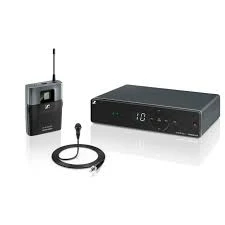
The Sennheiser SpeechLine Digital Wireless SL Headmic Set DW-3 AU R is a professional-grade wireless headset microphone system designed specifically for speech and presentations. But if that sentence already feels overwhelming, don't worry. This guide is written for people who are completely new to wireless microphone systems, whether you're outfitting a conference room, a house of worship, a lecture theatre, or a corporate training facility.
We'll break down exactly what this system is, how it works, who it's for, and whether it's the right fit for your needs — all in plain English.
What Is a Wireless Presentation Microphone System?
Let's start from the very beginning. A wireless microphone system has two main parts:
- A transmitter — this is what the speaker wears or holds. It picks up their voice and sends the audio wirelessly.
- A receiver — this sits near your sound system (PA, mixer, or speakers) and catches the wireless signal, turning it back into audio that gets played through speakers.
A headworn microphone (sometimes called a headmic or headset mic) is a small microphone that wraps around the speaker's ear and positions a tiny mic capsule near their mouth. Think of a telephone headset, but much more refined and designed for live speech.
The key advantage? The microphone stays in the same position relative to the speaker's mouth, no matter which way they turn, walk, or gesture. This gives you consistent, clear audio without the speaker needing to think about the mic at all.
What Is the Sennheiser SpeechLine System?
Sennheiser is a German audio company that's been making microphones and headphones since 1945. They're one of the most respected names in professional audio worldwide, and their products are used in everything from concert touring to broadcast television.
The SpeechLine Digital Wireless range is their dedicated line for speech applications. That distinction matters. Many wireless microphone systems are designed for music — singing, instruments, live bands. SpeechLine is purpose-built for the spoken word. Every part of the system is optimised for voice clarity, reliability, and ease of use in presentation environments.
Think of it like this: you could use a sports car to do your weekly grocery run, but a well-designed everyday vehicle does that job better. SpeechLine is the microphone equivalent of the right tool for the right job.
What "DW-3 AU R" Means
Product naming in professional audio can look like alphabet soup. Here's what each part tells you:
- SL Headmic Set — SpeechLine headworn microphone complete set (transmitter + receiver + headmic)
- DW — Digital Wireless (as opposed to older analogue wireless technology)
- 3 — Refers to the frequency range variant, in this case optimised for a specific band
- AU — Australian frequency allocation (this is important — more on this below)
- R — Rack-mount receiver version
The AU designation is crucial for Australian buyers. Wireless microphones operate on specific radio frequencies, and different countries allocate different frequency bands for this purpose. An "AU" model is designed to operate legally and without interference within Australia's approved spectrum. Using a non-AU model could mean poor performance or even breach of ACMA (Australian Communications and Media Authority) regulations.
What's Actually in the Box?
When you purchase this set, you're getting a complete, ready-to-use system. Here's what that includes and what each piece does:
- SL Headmic 1 (headworn microphone) — The actual microphone element that wraps around your ear. It's lightweight, discreet, and designed for extended wear during long presentations or conferences.
- SL Bodypack DW (belt-pack transmitter) — A small unit that clips to your belt or waistband. The headmic plugs into this, and it wirelessly transmits your voice to the receiver. It runs on a rechargeable battery.
- SL Rack Receiver DW (rack-mount receiver) — This sits with your audio equipment, picks up the wireless signal, and outputs clean audio to your sound system. The rack-mount design means it fits neatly into standard 19-inch equipment racks commonly found in AV setups.
- Charging station and accessories — Including power supplies, cables, and everything needed for a professional installation.
Why Digital Wireless Matters (Explained Simply)
You might see the word "digital" and wonder what the fuss is about. Here's the simple version:
Analogue wireless (the older technology) sends your voice as a continuous radio wave. It works, but it's more susceptible to interference — that hissing, crackling, or buzzing you might have heard from cheap wireless mics.
Digital wireless converts your voice into digital data (ones and zeros, like how your phone handles calls) before transmitting it. The receiver then converts it back to audio. The benefits are significant:
- Cleaner audio — Less noise and interference
- More reliable connection — Digital signals are either received correctly or not at all (no gradual degradation)
- Better spectrum efficiency — You can run more wireless channels in the same frequency space without them interfering with each other
- Automatic frequency management — The system can scan for clear frequencies and switch automatically if needed
For a beginner, the practical takeaway is this: digital wireless is more reliable, sounds better, and requires less technical fiddling to get working properly.
Key Features That Matter (And Why)
Professional audio gear often comes with a long feature list. Let's focus on the ones that genuinely make a difference for everyday use:
Automatic Frequency Management
One of the most intimidating aspects of wireless microphones for beginners is frequency coordination — making sure your wireless mic doesn't clash with other wireless devices. SpeechLine handles this automatically. The system scans the environment, finds clean frequencies, and manages coordination without you needing a degree in radio engineering. This is a genuinely significant feature for non-technical users.
Dante Integration Ready
Dante is a networking standard that allows audio to travel over standard computer network cables (the same Ethernet cables your office already uses). While you don't need to use Dante straight away, having this capability means the system can grow with your needs. If your venue later upgrades to a networked AV system, the SpeechLine receiver can slot right in without replacement.
Rechargeable Battery System
Instead of burning through disposable batteries, the SpeechLine bodypack uses rechargeable lithium-ion batteries with a dedicated charging station. You get clear battery status indicators so you always know how much runtime you have left — no more mid-presentation battery surprises.
AES 256-Bit Encryption
This is the same encryption standard used by banks and government agencies. It means your wireless audio signal is encrypted, so nobody can eavesdrop on your presentations. For corporate environments discussing sensitive information, this isn't just a nice feature — it may be a compliance requirement.
Remote Management via Sennheiser Control Cockpit
For larger installations, Sennheiser provides software that lets an IT or AV manager monitor and control multiple SpeechLine devices from a single computer. This includes battery levels, signal quality, muting, and frequency management. For a single-room setup you may not need this, but in multi-room conference centres or campus environments, it's invaluable.
Who Is This System Actually For?
This is a professional-grade system, and it's priced accordingly. It's designed for environments where clear, reliable speech audio isn't just preferred — it's essential. Common use cases include:
- Corporate conference rooms and boardrooms — Where executives present to clients, boards, or remote teams
- Houses of worship — Where pastors, priests, or speakers need hands-free audio for extended services
- Lecture theatres and universities — Where academics need to be heard clearly while writing on whiteboards and moving around
- Training facilities — Where presenters run workshops and need both hands free for demonstrations
- Conference and event venues — Where multiple presenters rotate through a space and need quick, reliable mic changeovers
- Council chambers and government facilities — Where audio clarity and encryption matter for public record
This is not typically what you'd buy for a backyard party, a small podcast setup, or a pub trivia night. It's designed for professional installations where audio quality and reliability justify the investment.
Beginner's Buying Guide: What to Consider
Do You Actually Need a Headworn Mic?
This is worth asking first. Headworn microphones are ideal when the speaker needs both hands completely free and moves around a lot. If your presenters mostly stand at a podium, a gooseneck microphone might be simpler. If they hold a remote control and move occasionally, a clip-on lapel mic (lavalier) could work too.
The headmic option is best when:
- Speakers move their heads frequently (teaching, demonstrating)
- Both hands must be free at all times
- Maximum voice clarity is critical, regardless of speaker movement
- You need consistent audio level without volume fluctuations
What You'll Need Beyond This Set
The SL Headmic Set DW-3 is a complete wireless system, but it doesn't include the speakers or amplification you'll need to actually play the sound in your room. You'll need to connect the receiver to:
- A powered speaker system or PA system
- Or an audio mixer that feeds into speakers
- Or a Dante-networked audio system if your venue uses one
If you're starting from scratch, factor the entire audio chain into your budget, not just the microphone.
Common Beginner Mistakes to Avoid
- Buying the wrong frequency band — Always ensure you're purchasing the AU (Australian) variant. Non-AU models may work initially but can cause interference issues and aren't compliant with Australian regulations.
- Forgetting about installation — Professional wireless systems like this one benefit greatly from proper installation. Budget for a qualified AV technician to set up and calibrate the system in your space.
- Underestimating training needs — Someone on your team should understand how to charge batteries, pair transmitters, and troubleshoot basic issues. The system is designed to be straightforward, but 15 minutes of training prevents most problems.
- Not planning for expansion — If you might need a second microphone later (for panel discussions or multiple rooms), consider this upfront. SpeechLine systems are designed to scale, and planning ahead can save you money on compatible components.
How Does It Compare to Consumer Wireless Microphones?
You might be wondering why you wouldn't just buy a $150 wireless headset microphone from an electronics retailer. Fair question. Here's where the differences become clear:
- Reliability — Consumer mics can drop out, suffer interference from WiFi and phones, and vary in performance. SpeechLine is engineered for zero-dropout performance in challenging RF environments.
- Audio quality — The difference in voice clarity and naturalness is immediately noticeable. SpeechLine captures speech with detail and warmth that budget systems simply can't match.
- Build quality — These are designed for daily, professional use over many years. Consumer products often struggle to last a single year of regular use.
- Management and monitoring — You can monitor battery life, signal strength, and system status remotely. Consumer mics give you an on/off switch.
- Spectrum compliance — Professional systems operate within licensed or approved frequency bands with proper Australian certification.
In short, the price difference reflects a genuine quality difference. For critical applications where the microphone must work every time, professional gear pays for itself quickly.
Getting Started: What to Expect
If you decide the SpeechLine SL Headmic Set is right for your needs, here's a realistic picture of what comes next:
Setup
Plan for professional installation. A qualified AV technician will rack-mount the receiver, connect it to your audio system, perform a frequency scan of your environment, and calibrate the system. This typically takes a few hours for a single-room setup.
Learning Curve
Day-to-day operation is straightforward. Clip on the bodypack, put on the headmic, press the power button. The system is specifically designed for environments where different speakers may use it throughout the day — it shouldn't require an engineer to hand someone a microphone.
The more complex features (Dante networking, remote management, multi-channel coordination) can be learned over time as your needs grow. You don't need to master everything on day one.
Ongoing Maintenance
The main ongoing task is keeping batteries charged. The dedicated charging station makes this simple — drop in the bodypack after use, and it's ready for the next session. Periodically, you may need to clean the headmic element and check cable connections, but there's very little maintenance required.
Frequently Asked Questions from Beginners
Can I use this with my existing speakers?
Most likely, yes. The receiver has standard audio outputs (XLR and jack) that connect to virtually any professional or semi-professional sound system. If you have powered speakers, a mixer, or any kind of PA system, this will integrate with it.
How far can the speaker walk from the receiver?
The SpeechLine system offers a reliable operating range that comfortably covers typical presentation environments — conference rooms, lecture halls, and worship spaces. In practical terms, if the speaker stays within the same room as the receiver, range is rarely an issue.
Can multiple people use wireless mics at the same time?
Yes, but each person needs their own transmitter (bodypack + headmic) and either a separate receiver channel or a multi-channel receiver. The SpeechLine system is designed for multi-channel operation, and additional transmitters can be added to the setup.
Is it hard to wear for long periods?
The SL Headmic 1 is designed for extended use. It's lightweight and ergonomically shaped to sit comfortably over the ear. Many professionals wear these for hours during conferences and services without discomfort.
What happens if the battery dies mid-presentation?
The system provides clear battery status indicators, so you should always know your remaining runtime before going live. Having a spare charged battery on hand is good practice for any important event. The charging system makes it easy to always have a backup ready.
Is This the Right Investment for You?
The Sennheiser SpeechLine SL Headmic Set DW-3 AU R represents a serious investment in presentation audio quality. It's the right choice if:
- You need reliable, hands-free wireless audio for regular presentations or services
- Audio quality and professionalism matter to your organisation
- You want a system that will perform reliably for years
- You may need to scale to multiple microphones in the future
- Security and encryption of audio signals is important
It's probably more than you need if you're looking for a casual, occasional-use microphone for informal gatherings or small meetings where a simple USB speakerphone would suffice.
Ready to explore this system further? View the Sennheiser SpeechLine SL Headmic Set DW-3 AU R at MusiconStage for full specifications, pricing, and availability for Australian buyers.
If you're unsure whether this is the right microphone type for your space, the team at MusiconStage can help you match the right Sennheiser SpeechLine configuration to your specific needs. Whether you need a headmic, lapel mic, or handheld — getting the right advice upfront saves you time and money.
And if you're just beginning your research into wireless presentation microphones, bookmark this guide. Understanding the basics puts you in a much stronger position to have productive conversations with AV suppliers and make a choice you'll be confident about for years to come.