
Sennheiser HD25 Plus Professional: Beginner's Guide 2026
Sennheiser HD25 Plus Professional: A Beginner's Guide for Australians in 2026
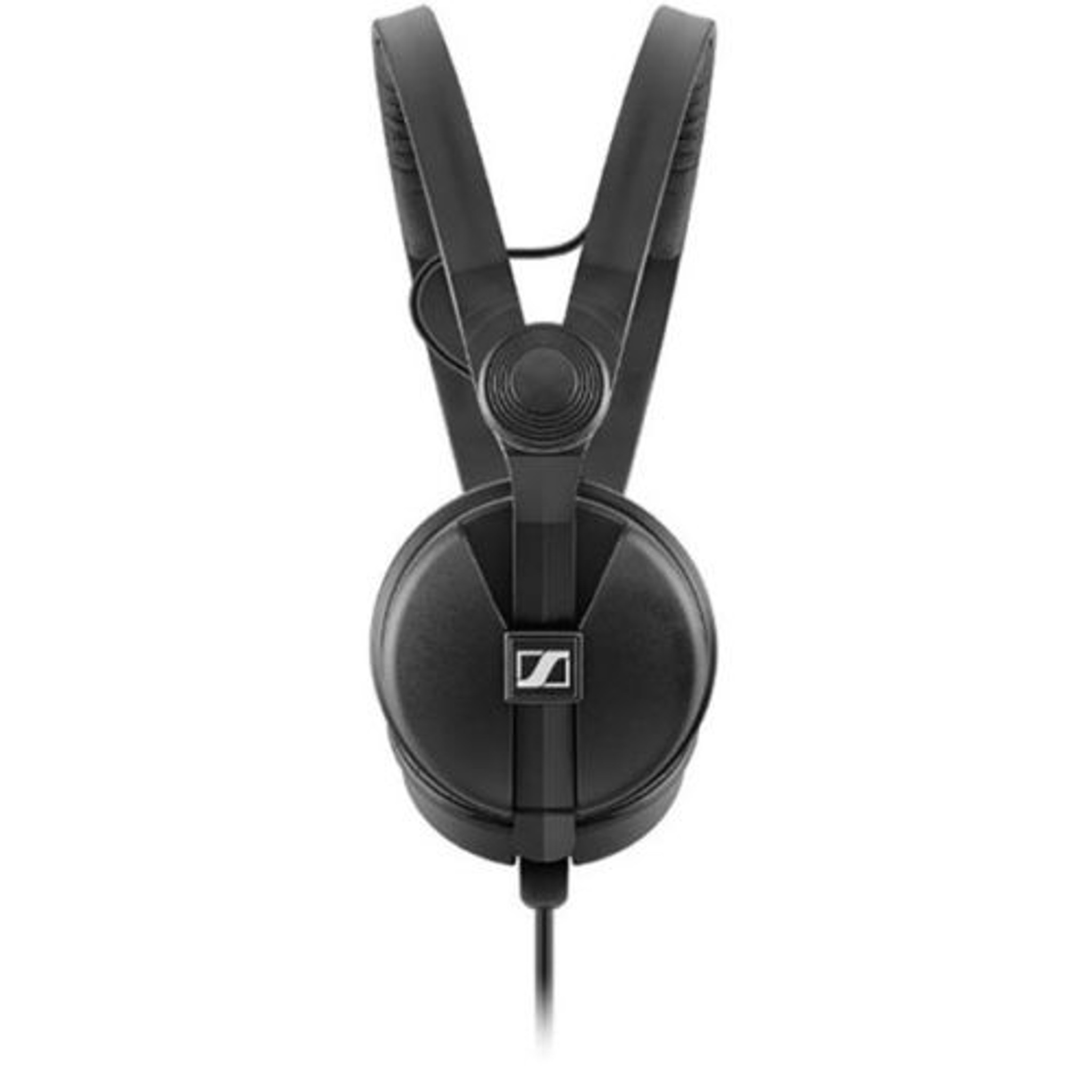
If you've ever wandered into a music shop, scrolled through audio forums, or watched a DJ behind the decks, chances are you've spotted a small, dark, no-nonsense pair of headphones clamped firmly on someone's ears. More often than not, those headphones are the legendary Sennheiser HD25. The HD25 Plus Professional is the modern, upgraded version of this classic, and it has become something of a rite of passage for DJs, sound engineers, broadcasters and musicians around the world.
But here's the thing: if you're new to professional audio gear, the HD25 Plus can feel a bit mysterious. Why do pros love it so much? Why does it look so simple compared to flashy consumer headphones? And is it actually a smart choice for someone just starting out? This friendly guide will walk you through everything you need to know, in plain Australian English, so you can decide with confidence.
What Are Professional Headphones, Really?
Before diving into the HD25 Plus specifically, let's make sure we're on the same page about what "professional headphones" actually means. The term gets thrown around a lot in marketing, but for working audio people it has a fairly specific meaning.
Professional headphones are designed to be tools, not toys. Where consumer headphones often boost the bass and treble to make music sound exciting, pro headphones aim for accuracy and reliability. They're built to:
- Reveal what's actually in a recording, not flatter it
- Survive being shoved into bags, gig boxes and studios day after day
- Block out noisy environments so you can hear your work
- Be repaired and re-cabled rather than thrown away when one part fails
Think of it like the difference between a hi-fi speaker at home and a studio monitor. One is meant to sound nice; the other is meant to tell the truth. The HD25 Plus sits firmly in the "tell the truth" camp, with a particular focus on use in loud, demanding environments.
A Quick Story: Why the HD25 Became a Legend
The original HD25 was launched by Sennheiser back in the late 1980s. It was designed as a lightweight, on-ear headphone for broadcasters working in noisy outside locations, like sports commentators and ENG (electronic news gathering) crews. The design brief was simple: light enough to wear all day, loud enough to cut through chaos, tough enough to survive being kicked around the field.
Word quickly spread, and DJs adopted them as their go-to monitoring headphones. Fast-forward several decades, and the basic design has barely changed, because it didn't need to. The HD25 Plus Professional is the current version, bundled with extra accessories that make it even more versatile. If a piece of gear stays in production and on the heads of working pros for over 30 years, that's a pretty strong signal it's doing something right.
Meet the Sennheiser HD25 Plus Professional
The Sennheiser HD25 Plus Professional is a closed-back, on-ear, dynamic headphone aimed at DJs, audio engineers, broadcasters and musicians. The "Plus" version is essentially the standard HD25 with a more generous accessory bundle, so you get everything you need to use them in different real-world situations straight out of the box.
Here's what's typically included:
- The HD25 headphones themselves
- A spare set of ear pads (often velour as well as the standard pleather pads)
- A straight cable and a coiled cable, so you can match the lead to the setting
- A 6.3 mm (¼-inch) screw-on adapter for connecting to mixers and audio interfaces
- A protective carry pouch
The whole package is designed for people who'll actually use the headphones in different environments — a DJ booth one night, a recording session the next, a podcast studio the day after. Don't worry if some of those terms are unfamiliar; we'll unpack the key features next.
Key Features Explained Simply
1. Closed-Back, On-Ear Design
Headphones generally come in three shapes:
- Over-ear: the cups completely surround your ears
- On-ear: the cups sit on top of your ears
- In-ear: the buds go inside your ear canal
The HD25 Plus is on-ear, which keeps them light and easy to push aside with one earcup so you can hear what's happening around you — a classic DJ move when beat-matching with the room. "Closed-back" means the outer side of each earcup is sealed, which helps block outside noise and stops your audio from leaking out into a microphone. That's a big deal in radio studios and on podcasts.
2. High Sound Pressure Level (SPL)
"SPL" is just a fancy way of saying "how loud they can get". The HD25 Plus is famous for being able to produce high volumes without distorting, which is essential when you're DJing next to a thumping PA system or monitoring drums in a live setting. For everyday listening you'd never use them at those levels, but the headroom matters when the environment is noisy.
3. Excellent Passive Isolation
You'll often hear about "active noise cancellation" on consumer headphones. The HD25 Plus uses passive isolation instead, meaning it blocks sound just through clever design and clamp pressure — no batteries required. The trade-off is they grip your head a bit firmly at first (more on that later), but the upside is they're always ready to go and never run out of charge mid-gig.
4. Replaceable Parts
This might be the unsung hero feature. Almost every part of the HD25 is user-replaceable — cables, ear pads, headband padding, even the drivers themselves. For a beginner, this means your investment isn't a ticking clock. When something wears out after years of use, you swap it out instead of buying a whole new pair.
5. Two Cables (Straight and Coiled)
The straight cable is great for portable use — plugging into a laptop, audio interface or controller on a desk. The coiled cable stretches when you need it and retracts when you don't, which is perfect for studio and DJ booth setups where you move around a fixed mixer.
6. Lightweight Build
The HD25 weighs around 140 grams, which is feather-light compared to many studio headphones. That matters more than you might think when you're wearing them for a four-hour DJ set or a long mixing session.
What Beginners Should Prioritise
If you're shopping for your first serious pair of headphones, it's tempting to chase whichever model has the most marketing buzz. Instead, focus on these practical questions:
- What will I actually use them for? DJing, podcasting, music production, casual listening at home, or a mix?
- How loud is my environment? Bedroom-quiet or club-loud?
- Do I need them to be repairable? Will I use them daily for years, or occasionally?
- Do I need them to be portable? Will they live in a backpack, or on a desk?
The HD25 Plus scores extremely well on all of these for people heading into DJing, broadcast, live sound, or any work where blocking outside noise and surviving daily abuse matters more than wide soundstage or flashy aesthetics.
Common Beginner Mistakes (and How to Avoid Them)
Mistake 1: Expecting "Fun" Consumer Sound
The HD25 sound is punchy, clear and forward, not a soft, smiley-faced "bass and treble boost" sound. If you're coming from bass-heavy lifestyle headphones, the HD25 can feel different at first. Give your ears a week or so — most people end up preferring the honesty.
Mistake 2: Worrying About the Tight Clamp
New HD25s grip your head fairly firmly. This is intentional and contributes to the isolation and stability you want in a busy booth. Within a couple of weeks of regular wear, the headband relaxes and they become very comfortable. You can also gently stretch the headband over a book if it's too much.
Mistake 3: Treating Cables as Disposable
Because cables are replaceable, treat them well but don't panic if one fails years down the track. Wrap them loosely, don't yank them out by the cable, and you'll be fine.
Mistake 4: Skipping the Adapter
The HD25 Plus uses a 3.5 mm plug with a screw-on 6.3 mm adapter. Most pro gear (mixers, audio interfaces, amps) uses the larger 6.3 mm socket. Keep the adapter on or in your case so you're not caught out.
Who Are the HD25 Plus Best For?
- Beginner DJs who want a pair that will last from bedroom practice to first paid gigs
- Podcasters and broadcasters who need closed-back monitoring with minimal bleed into the mic
- Live sound techs who need a tough, isolating headphone for checking mixes on stage
- Music producers who want a reliable second reference next to their main studio monitors
- Musicians who need headphones for in-ear-style monitoring at rehearsals (with a wired setup)
They're less ideal for audiophiles wanting a wide, spacious soundstage for relaxed listening, or for people who specifically want active noise cancellation and Bluetooth. They are wired, on-ear, and unapologetically tool-like.
Budget Considerations for Your First Pair
The HD25 Plus sits in the upper-mid price bracket for professional headphones in Australia. It's not the cheapest option, but here's how to think about the value:
- Cost per year: Many users keep their HD25s for 8–10 years or more, with the occasional pad or cable swap. Divide the price by even five years and it becomes very reasonable.
- Avoiding the upgrade trap: Cheaper headphones often get replaced within a year as you outgrow them. The HD25 doesn't have that issue — pros use the same model for decades.
- Resale value: Used HD25s hold their value remarkably well thanks to the demand and the fact they can be refurbished with new parts.
If your budget is tight, it's still worth saving up rather than buying twice. You can always start with the standard HD25 and add accessories later, but the Plus bundle gives you everything from day one.
Getting Started: What to Expect
Unboxing and First Use
Out of the box, plug the straight cable into the headphones, screw on the 6.3 mm adapter if needed, and connect to your audio source. There's no app, no pairing, no software — just plug in and listen. This simplicity is part of the appeal.
The Break-In Period
For the first week or two, the headphones will feel firmer on your head than typical consumer pairs. This is normal. The clamp and ear pads will settle in with regular use.
Learning to Trust the Sound
If you're using them for production or mixing, give yourself time to learn what your music sounds like through the HD25. Reference tracks you know well are your best friend — listen to a few favourite songs through them so your brain calibrates to their character.
Care and Maintenance
- Wipe pads occasionally with a slightly damp cloth
- Store in the included pouch when travelling
- Replace pads every couple of years if used heavily — fresh pads restore comfort and sound
- Don't leave them in a hot car; heat is rough on any headphone
Frequently Asked Beginner Questions
Are they good for everyday music listening?
Yes, especially if you like a clear, direct sound. They're not the most spacious or relaxing, but plenty of people use them as their main pair around the house and on the go.
Do they need a headphone amp?
Not really. The HD25 is reasonably efficient and runs well from phones, laptops, audio interfaces and DJ mixers. A dedicated amp can give a bit more grunt, but it's not required to enjoy them.
Are they suitable for kids or smaller heads?
Because they're on-ear and adjustable, they suit a wide range of head sizes. Younger users should still be careful with volume levels — these can get very loud.
How do they compare to other Sennheiser studio headphones?
Over-ear models like the HD 280 Pro or HD 600 series have different roles. The HD25 is more about isolation, durability and high SPL; the bigger studio models offer a wider, more relaxed sound for long mixing sessions.
Your Growth Path After the HD25
One nice thing about starting with a pair like the HD25 Plus is that there's no rush to upgrade. As you grow:
- You might add a pair of open-back studio headphones for critical mixing
- You might add in-ear monitors for stage work
- You'll likely still grab the HD25 for travel, DJing, podcasting and noisy environments
In other words, the HD25 doesn't become obsolete when you level up — it becomes one of several specialised tools in your kit.
Final Thoughts: Is the HD25 Plus the Right First Step?
If you want a pair of headphones that you can grow with, abuse, repair and trust for years, the Sennheiser HD25 Plus Professional is one of the safest, smartest starting points in the entire professional headphone world. It's not the flashiest pick, and it won't impress your mates with cool features at the pub. What it will do is quietly become one of the most-used pieces of gear in your collection.
For beginner DJs, podcasters, live sound newcomers and curious music producers around Australia, the HD25 Plus is genuinely hard to beat. Take your time, explore your options, and when you're ready, you can check out the Sennheiser HD25 Plus Professional here with confidence that you're picking a genuine industry classic.
Next steps: Have a think about how you'll mostly use your headphones, set a realistic budget, and don't be afraid to ask questions before you buy. The right first pair sets the tone for your whole audio journey — and the HD25 Plus is a wonderful place to begin.