
Sennheiser HD25 Light V2 vs Rivals: DJ Headphone Guide 2026
Sennheiser HD25 Light V2 vs Rivals: DJ Headphone Guide 2026
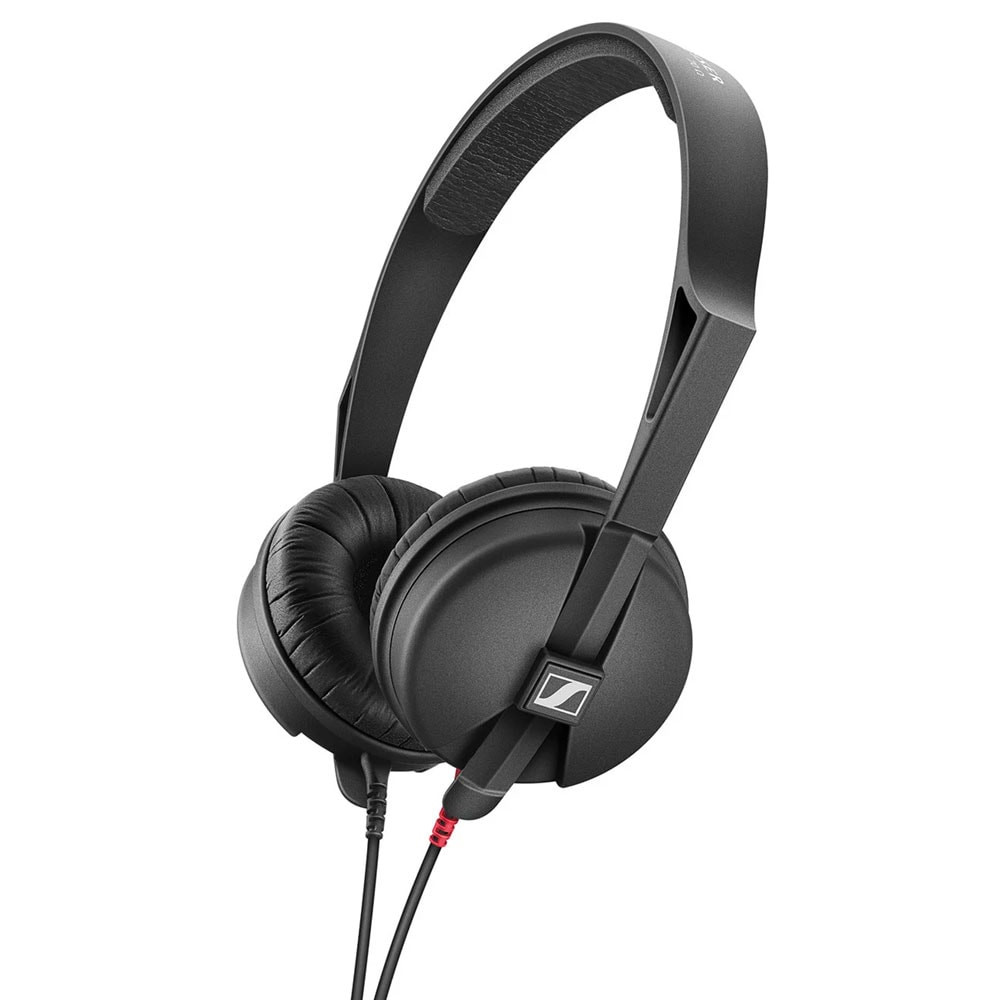
There are two kinds of DJ headphone buyers in Australia right now. The first sees a set of HD 25s hanging off every booth hook from Revolver to the Rechabite and assumes there's only one model to buy. The second looks a bit closer, spots the HD 25 LIGHT sitting a decent chunk cheaper than the standard HD 25, and wonders what exactly Sennheiser removed to get there — and whether it matters for the way they actually play.
This guide is for the second buyer. We'll pull apart what the Sennheiser HD 25 Light DJ Headphones V2 genuinely give up compared to their more expensive sibling, how they stack up against the Pioneer DJ, Audio-Technica and Sony options you'll be cross-shopping, and — most usefully — which type of DJ or engineer should buy which. No brand loyalty, no pretending the Light is a giant-killer when it isn't. Just the trade-offs.
First, why the HD 25 family refuses to die
The original HD 25 launched in the late 1980s as a broadcast and field-monitoring headphone. It was never designed for nightclubs. DJs adopted it anyway, and then never let go — which tells you something no spec sheet will.
Three things explain the longevity:
- Sensitivity. It goes stupidly loud off almost any source — a battered CDJ headphone amp, a phone, a laptop interface — without needing a dedicated amp. That's the single most underrated property in a DJ headphone.
- Isolation without bulk. It's a small on-ear (supra-aural) design with firm clamp. It blocks a rig at 100 dB well enough to cue a kick drum, yet weighs about as much as a phone.
- Total serviceability. Every part — pads, headband padding, capsules, cable, the plastic shells themselves — is a replaceable spare. A ten-year-old HD 25 can be brought back to new for the price of a couple of drinks.
That last point is the real reason they're everywhere. Most headphones are disposable. These aren't. Keep it in mind, because it drives the value analysis further down.
So what does "LIGHT" actually change?
This is where most product pages go vague. The LIGHT is not a stripped-down knock-off — it's the same core concept with three deliberate cost and comfort decisions made differently.
| Aspect | HD 25 (standard) | HD 25 LIGHT V2 | What it means in practice |
|---|---|---|---|
| Headband | Split, two-strap design | Single, one-piece band | The split band spreads weight and grips better under vigorous movement. The single band is simpler and sits more like a conventional headphone. |
| Clamping force | Firm — famously so | Noticeably gentler | Less isolation, but far less ear fatigue over a long set. This is the biggest real-world difference. |
| Impedance | 70 ohms | 85 ohms | Both are easy to drive. The Light is a touch quieter for the same output, not enough to matter on a real mixer. |
| Maximum SPL | ~120 dB | ~115 dB | Still comfortably loud enough to cue over a live rig. The standard has more headroom in genuinely brutal rooms. |
| Cable | Detachable, steel-reinforced, single-sided | Fixed single-sided cable (check current spec on your listing) | The standard's swappable cable is a genuine repair advantage over years of gigging. |
| Rotating capsule | Yes | Yes | Single-ear monitoring — the classic one-cup-flipped DJ pose — is retained on both. |
| Typical AU price | Higher tier | Meaningfully lower | The Light generally lands well under the standard, often near the mid-tier Pioneer and Audio-Technica models. |
The short version: the LIGHT trades some isolation, some grip and some SPL headroom for lower weight, more comfort and a lower price. The drivers and the fundamental sound character are far closer than the price gap suggests.
Specifications at a glance
| Specification | Sennheiser HD 25 LIGHT V2 |
|---|---|
| Design | Closed-back, on-ear (supra-aural), dynamic |
| Frequency response | Approx. 30 Hz – 16,000 Hz |
| Impedance | 85 ohms |
| Sound pressure level | Approx. 115 dB (1 kHz, 1 V) |
| THD | Under 0.3% |
| Weight | Approx. 140 g without cable |
| Cable | Single-sided, approx. 1.5 m |
| Connector | 3.5 mm stereo jack with screw-on 6.3 mm adapter |
| Spare parts | Pads, headband padding and capsules available separately |
Two numbers deserve a comment. The 30 Hz low-end figure looks unremarkable next to headphones claiming 5 Hz — ignore that marketing arms race. What matters for beatmatching is midbass definition and transient attack, not how low the graph theoretically extends. And 85 ohms is the sweet spot: high enough to behave nicely with a proper headphone amp, low enough to be genuinely loud from a laptop or controller.
The head-to-head: HD 25 LIGHT V2 against the field
| Model | Type | Strengths | Weaknesses | Best for |
|---|---|---|---|---|
| Sennheiser HD 25 LIGHT V2 | On-ear, closed | Feather-light, fast midbass, very easy to drive, serviceable, industry-standard voicing at a lower price | Less isolation than the standard HD 25, on-ear pressure isn't for everyone, no folding case theatrics | Working DJs and mobile ops who want the HD 25 sound without the premium or the clamp |
| Sennheiser HD 25 (standard) | On-ear, closed | Best-in-class isolation for the size, split headband stays put, detachable cable, huge SPL headroom | Costs more; the clamp is genuinely tight for the first few weeks | Loud club and festival work where isolation is non-negotiable |
| Pioneer DJ HDJ-X5 / HDJ-CUE1 | Over-ear, closed | Over-ear comfort, swivel design built for DJ ergonomics, tough hinges | Bulkier, warmer and less transient-precise; parts support is less generous | DJs who simply can't get on with on-ear pressure |
| Audio-Technica ATH-M40x / M50x | Over-ear, closed | Flatter (M40x) or punchier (M50x) studio voicing, detachable cables, excellent value | Larger, hotter on the ears, less convenient for one-ear cueing | Producers who also DJ, and home studio double-duty |
| Sony MDR-7506 | Over-ear, closed | Broadcast standard, revealing upper mids, folds flat, cheap to buy | Bright to the point of fatiguing, coiled cable is awkward in a booth, pads perish | Studio and location recording more than club DJing |
HD 25 LIGHT V2 vs the standard HD 25 — the decision most people are actually making
Be honest about your rooms. If you're regularly playing loud clubs or outdoor stages where the wedge is behind you and the sub is under you, the standard HD 25's extra clamp and 5 dB of SPL headroom earn their premium every single night. Isolation isn't a comfort feature there — it's the difference between hearing your cue point and guessing.
If your work is weddings, corporate, bars, radio, streaming, practice, or the kind of room where the booth monitor is civilised, the LIGHT is the smarter buy. You get the same easy-to-drive, punchy, mid-forward character, you stop getting the two-hour ear ache, and you keep the difference in your pocket. Plenty of experienced DJs who own both reach for the Light on longer, quieter gigs.
Against Pioneer DJ
Pioneer's DJ headphones are designed around the booth from the outset — the swivels and folds are tuned to how DJs handle a headphone. If you find on-ear designs press uncomfortably, the HDJ range's over-ear cups will suit you better, full stop. What you generally give up is transient speed and the surgical midbass that makes the Sennheiser so easy to beatmatch by feel. Pioneer's voicing leans warmer and more "fun"; the HD 25 family leans clinical and fast. For picking a kick out of a mix, fast wins.
Against Audio-Technica
This one comes down to whether you're buying a DJ headphone or a dual-purpose one. The M40x is flatter and more honest for mixdowns; the M50x has more low-end weight and a wider stage. Both are excellent value and both are better studio tools than the HD 25 Light. Neither is as convenient in a booth: bigger cups, more heat, no natural one-ear monitoring, and more clumsy to grab and reposition mid-mix. If you produce more than you play out, look at Audio-Technica. If you play out more than you produce, the Sennheiser is the tool.
How the HD 25 LIGHT V2 actually sounds
The house character is a forward, slightly aggressive midrange with tight, quick bass and an upper-mid presence lift that makes hi-hats and vocal sibilance obvious. It is not a relaxing hi-fi listen. That's intentional. Cueing is a pattern-recognition task performed under noise, and the HD 25 voicing is optimised to make transients pop through a loud room.
Compared with the standard HD 25, the Light's gentler clamp means a slightly less sealed cushion, and a less perfect seal always costs a little low-end weight. You can hear it in an A/B — sub content feels marginally leaner. In isolation, on a gig, you'd never notice, and pushing the cups in with your palm restores it instantly.
For reference mixing or mastering, don't use either. The presence lift and the on-ear seal variability make them unreliable for critical tonal decisions. They're monitoring tools, not judgment tools.
Comfort, isolation and the long-set reality
On-ear headphones put pressure on your ear cartilage rather than around it. Some people barely register it; others find it intolerable after 90 minutes. This is the single most personal variable in the whole comparison, and it's the reason the Light exists.
- Weight: around 140 g is exceptionally light — you stop noticing it on your head.
- Clamp: gentler than standard, which is the point. Expect an honest reduction in passive isolation as the trade.
- Heat: minimal. On-ear designs don't cook your ears the way sealed over-ears do in a hot Australian summer marquee.
- Pads: velour and leatherette replacement pads change both comfort and isolation. Velour breathes better; leatherette seals better. Cheap to swap, genuinely transformative.
If you've never worn an HD 25 before, try one on before you commit if you possibly can. If you know you love the sound but hate the standard's grip, the Light is your answer.
Build quality, serviceability and long-term value
The plastics look unglamorous. They're chosen for impact survivability, not for the unboxing video. HD 25s survive being dropped down stairs, sat on, and thrown into flight cases for years.
The serviceability argument is the strongest financial case for the whole family. Consider a five-year ownership window:
| Ownership factor | Serviceable design (HD 25 family) | Typical sealed consumer headphone |
|---|---|---|
| Worn pads after 18 months | Replace for a small parts cost | Replace for a small parts cost, if pads exist |
| Cable failure | Standard: swap cable. Light: repair or reterminate | Frequently a write-off |
| Cracked headband or shell | Individual part available | Write-off |
| Blown capsule | Replace the capsule only | Write-off |
| Effective five-year cost | Purchase + modest parts | Often two full purchases |
This is why a headphone that looks mid-priced on day one often turns out to be the cheapest option by year four. When you're comparing sticker prices between brands, factor in what happens after the first failure. Have a look at the current HD 25 LIGHT V2 listing and Australian pricing and compare it against what a two-purchase cycle of a disposable model would cost you.
Best for: situation-specific recommendations
Best for the DJ starting out
HD 25 LIGHT V2. You get the industry-standard voicing you'll encounter in every booth you ever step into, at an entry-appropriate price, in a headphone you won't outgrow. Beginners benefit enormously from learning to beatmatch on a fast, mid-forward headphone rather than a bassy one.
Best for the loud club and festival resident
Standard HD 25. Isolation and SPL headroom are safety and accuracy features at that volume. Pay the difference.
Best for mobile DJs, weddings and corporate
HD 25 LIGHT V2. Six-hour events, moderate SPLs, lots of MC work and one-ear monitoring. Light weight wins over maximum isolation, and the price point makes owning a spare pair realistic — which for a mobile op is worth more than any spec upgrade.
Best for producers who also play out
Audio-Technica ATH-M40x as the primary, with the HD 25 Light as the gig pair if budget allows. Different tools, different jobs.
Best if on-ear pressure genuinely doesn't work for you
Pioneer DJ HDJ-X5. No amount of sonic advantage beats a headphone you can physically tolerate for four hours.
Best for radio, streaming and podcast monitoring
HD 25 LIGHT V2. Light on the head for long shifts, excellent speech intelligibility, minimal bleed into a nearby mic thanks to the small closed design.
Honest pros and cons
Pros
- Genuine HD 25 tonal character at a materially lower price
- Around 140 g — among the most comfortable pro headphones for long sessions
- Very easy to drive from any mixer, controller, laptop or phone
- Fast, tight midbass that makes beatmatching by ear straightforward
- Rotating capsule for proper single-ear monitoring
- Replaceable pads and parts — a repairable long-term purchase
- Compact enough to live in a record bag without a case
Cons
- Less passive isolation than the standard HD 25 — a real limitation in very loud rooms
- Single headband is less secure than the split design under heavy movement
- On-ear pressure is polarising; some ears simply won't get along with it
- Presence lift makes it unsuitable for critical mixing or mastering decisions
- Utilitarian looks and no premium accessories bundle
- Cable arrangement is less field-repairable than the standard model's detachable lead
Value analysis across the price tiers
| Tier | What you get | Who should stop here |
|---|---|---|
| Entry (budget DJ headphones) | Loud, bass-heavy, plastic hinges, no spare parts | Bedroom-only, occasional use, tight budget |
| Working tier (HD 25 LIGHT V2, ATH-M40x, HDJ-CUE1) | Professional voicing, real durability, serviceable in part or whole | Most working and aspiring DJs — this is the value sweet spot |
| Professional (standard HD 25, HDJ-X7, ATH-M50x) | Maximum isolation, detachable cables, full parts ecosystems | High-SPL residents, touring acts, anyone gigging weekly |
| Boutique (modular premium brands) | Customisable modules, style-led design | Buyers prioritising aesthetics and modular flexibility |
The steepest value drop-off in this category is between entry and working tier. The step from working tier to professional is real but far more incremental — which is exactly why the HD 25 LIGHT V2 is such a well-positioned product.
Questions to ask before you buy
- How loud are the rooms I actually play? Loud rooms buy isolation. Moderate rooms buy comfort.
- How long is a typical set? Over three hours, weight and clamp start to dominate every other consideration.
- On-ear or over-ear — which have I worn happily before? Trust your own head over any review.
- Will this headphone also do studio duty? If yes, weight the comparison toward Audio-Technica.
- Am I buying for five years or for one? Serviceability changes the maths completely.
- Do I need a spare pair more than I need an upgrade? For mobile DJs, two Lights beat one premium pair.
Common mistakes buyers make
- Chasing frequency-response numbers. A 5 Hz–40 kHz claim tells you almost nothing about cueing performance.
- Buying maximum isolation you don't need. Over-isolating in a quiet room just means you mix at unsafe headphone volumes.
- Assuming bassy equals good for DJing. Exaggerated bass smears the transients you need to hear. Fast beats big.
- Ignoring replacement-part availability. It's the difference between a five-year headphone and an eighteen-month one.
- Not budgeting for spare pads. Worn pads change both sound and isolation, and people blame the headphone.
- Buying studio headphones for booth work. Great sound, wrong ergonomics.
The verdict
The Sennheiser HD 25 LIGHT V2 is one of the most sensibly positioned headphones in the DJ market. It is not the standard HD 25 — Sennheiser genuinely traded away isolation, clamp security and a little SPL headroom to hit the price and the comfort target. But it keeps the things that made the family an institution: the fast mid-forward voicing, the featherweight fit, the plug-into-anything sensitivity, the single-ear monitoring, and the replaceable-parts philosophy.
Buy the LIGHT V2 if you're starting out, if you work mobile and corporate gigs, if you do long shifts in radio or streaming, or if you love the HD 25 sound but have always found the standard's grip punishing. Buy the standard HD 25 if you're resident in genuinely loud rooms and need every dB of isolation you can get. Look at Pioneer or Audio-Technica if on-ear designs don't suit your ears or if studio work is your main game.
For a large share of Australian DJs, the Light is simply the right answer — and the money saved is better spent on a decent bag, a spare cable and a set of replacement pads. If that's you, check availability and current pricing on the Sennheiser HD 25 Light DJ Headphones V2 at MusiconStage, and buy the pair that matches the rooms you actually play — not the ones you hope to.