
Sennheiser HD25 Light V2: Real-World DJ & Audio Uses in Australia 2026
Sennheiser HD25 Light V2: Who Actually Needs These Headphones in 2026?
The Sennheiser HD25 is one of those products that's earned a near-mythical reputation in pro audio. Walk into any broadcast studio, DJ booth, or outside broadcast van in Australia, and you'll spot a pair. But here's the thing — not everyone needs the full-fat HD25, and that's exactly where the Sennheiser HD25 Light V2 comes in.
This isn't a stripped-down compromise. It's a smartly repositioned version of the same legendary sound, built for people who want Sennheiser's monitoring DNA without the premium price tag. Let's break down exactly how these headphones perform across the scenarios where they actually matter.
What Makes the HD25 Light V2 Different From the Standard HD25?
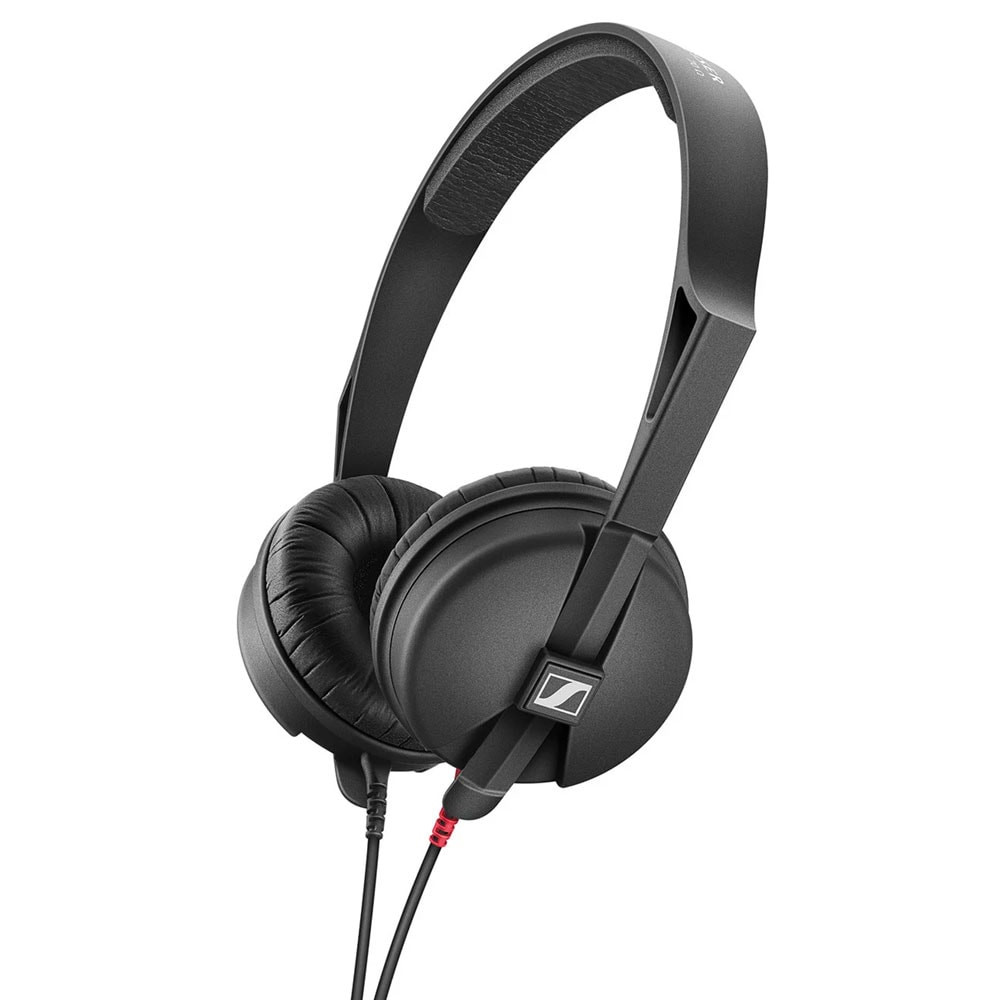
Before we get into use cases, let's clear up the most common question: what did Sennheiser actually change? The HD25 Light V2 shares the same driver technology and core sound signature as its full-price sibling. The differences are in the build and accessories:
- Simplified headband design — The Light V2 uses a single headband rather than the split headband found on the standard HD25. This reduces weight and makes them feel less clampy during extended sessions.
- Lighter construction — Tipping the scales at roughly 120g, these are noticeably easier on your head during long sets or monitoring sessions.
- Straight cable — You get a 1.5m straight cable rather than the coiled option. More practical for some uses, less ideal for others.
- Same drivers, same sound — The 70-ohm dynamic drivers deliver the same punchy, detailed sound the HD25 range is famous for. Frequency response sits at 16 Hz to 22,000 Hz.
The V2 designation signals Sennheiser's latest refinements to the Light model — slightly improved comfort padding and an updated cable that's more resistant to the wear and tear of regular gigging.
Use Case 1: DJing — From Bedroom Sets to Festival Stages
Club and Bar DJing
This is where the HD25 range has always shone, and the Light V2 carries that torch. In a loud club environment, you need headphones that isolate well enough to let you cue your next track without cranking the monitor volume to ear-damaging levels. The HD25 Light V2's closed-back, on-ear design provides solid passive isolation — not quite as vice-like as the standard HD25's split headband clamp, but more than adequate for most club booths.
The on-ear fit means you can easily slide one cup off to monitor the room with one ear — the classic DJ single-ear technique. The lighter weight is genuinely noticeable here. If you're doing a four-hour Friday night residency at a bar in Melbourne or Sydney, your neck will thank you by the end of the night.
Practical tip: The straight cable is actually a benefit in most DJ setups where you're close to the mixer. If you're playing on larger stages where you move around more, you might want to consider the standard HD25 with its coiled cable for the extra reach.
Mobile and Wedding DJing
For mobile DJs working functions and weddings around Australia, the HD25 Light V2 hits a sweet spot. You're typically not dealing with extreme volume levels, so the slightly lighter clamp force isn't a disadvantage. The reduced weight makes pack-down easier — these toss into a DJ bag without adding noticeable bulk. They're also tough enough to handle being thrown into a case week after week without falling apart.
Bedroom and Streaming DJs
If you're mixing at home, recording sets for Mixcloud, or streaming on Twitch, the HD25 Light V2 is arguably the better choice over the standard HD25. The lighter clamp is more comfortable for extended practice sessions, and you don't need the extreme isolation of a full-clamp headphone when you're in a controlled environment. The sound quality lets you hear every detail of your transitions.
Use Case 2: Broadcast and Field Recording
The HD25 has been an industry standard in broadcast for decades. Camera operators, sound recordists, and journalists across Australian networks have relied on these headphones for good reason — they're tough, they isolate well, and they give you an honest picture of what's being recorded.
The Light V2 works well for field recording where weight matters. If you're a freelance videographer lugging gear around for corporate shoots in Brisbane, or a podcaster doing on-location interviews, having lighter headphones around your neck between takes is a genuine comfort improvement.
Where the standard HD25 wins: In genuinely loud environments — construction sites, motorsport events, busy newsrooms — the tighter clamp of the standard model provides better isolation. For those scenarios, the extra grip is worth the extra grams.
Use Case 3: Studio Monitoring and Music Production
Here's where I need to be honest. The HD25 Light V2 is a good monitoring headphone, but it's not specifically designed for critical mixing work. Its sound signature is punchy and forward in the mids — brilliant for cueing and monitoring, but it colours the sound more than a dedicated studio headphone like the Audio-Technica ATH-M50x or Sennheiser's own HD 280 Pro.
That said, there are studio scenarios where the HD25 Light V2 earns its place:
- Tracking and recording — When musicians need to hear a click track or backing track while recording, these headphones deliver clear, detailed playback with enough isolation to prevent bleed into sensitive microphones.
- Rough mixing and arrangement — For sketching out ideas and getting a general balance, they're perfectly capable. Just don't make final mix decisions on them.
- Podcast editing — The forward midrange actually helps here. Vocals sit right in the HD25 Light's comfort zone, making it easy to spot edits, plosives, and room noise.
Use Case 4: Everyday Listening and Commuting
Can you use the HD25 Light V2 as everyday headphones? Absolutely — and plenty of people do. The compact on-ear design is less bulky than over-ear cans, making them easier to carry in a backpack on the train to work. They fold reasonably flat and the build quality means they'll survive being tossed around in a bag.
A couple of things to keep in mind for everyday use:
- No active noise cancellation — These rely on passive isolation only. On a noisy Sydney train or Melbourne tram, you'll hear more ambient noise than you would with ANC headphones. But many audiophiles actually prefer this — you stay aware of your surroundings.
- No Bluetooth — This is a wired-only headphone. If wireless is a must, these aren't for you. But if you value zero-latency audio and never worrying about battery life, the wired connection is actually a feature, not a limitation.
- On-ear comfort — Some people love on-ear headphones, others find them uncomfortable after an hour. This is genuinely personal. If you've never worn on-ear cans for extended periods, try before you commit.
Who Should Buy the HD25 Light V2 Over the Standard HD25?
This is the question most buyers are really asking, so let's be direct:
Choose the HD25 Light V2 if you:
- DJ primarily in controlled environments (bars, small clubs, home, streaming)
- Want a lighter, more comfortable headphone for longer sessions
- Work in broadcast or field recording where extreme isolation isn't critical
- Want the HD25 sound at a more accessible price point
- Prioritise comfort over maximum clamp force
- Are a beginner or intermediate DJ building your first serious setup
Choose the standard HD25 if you:
- Play in extremely loud environments (festivals, large clubs)
- Need maximum isolation in noisy professional settings
- Want the split headband for the traditional HD25 fit
- Prefer a coiled cable for freedom of movement
- Need the ability to swap individual components (the standard HD25's modular design is more repair-friendly)
How It Compares to Other Options in the Same Price Range
vs Audio-Technica ATH-M30x / ATH-M40x
The Audio-Technica M-series headphones are over-ear designs aimed more squarely at studio monitoring. They're more comfortable for very long sessions and have a flatter, more neutral sound signature. But they're bulkier, less portable, and don't have the same punchy character that makes the HD25 Light V2 ideal for DJ cueing. If your primary use is mixing at a desk, the ATH-M40x might serve you better. If you're DJing or need portability, the Sennheiser wins.
vs Pioneer DJ HDJ-CUE1
Pioneer's entry-level DJ headphone is cheaper but feels it. The build quality doesn't come close to the Sennheiser, and the sound is less detailed in the midrange. If you're just starting out and genuinely can't stretch the budget, the CUE1 will get you going, but the HD25 Light V2 is a meaningful step up that you won't outgrow quickly.
vs Pioneer DJ HDJ-X5
This is a closer competition. The HDJ-X5 is a solid DJ headphone with good isolation and a rotating ear cup design. Sound-wise, they're a bit more bass-heavy than the HD25 Light V2, which some DJs prefer. The Sennheiser has a more balanced, revealing sound that's better for critical cueing. Both are good choices — it often comes down to whether you prefer on-ear (HD25 Light) or over-ear (HDJ-X5) fit.
Australian-Specific Considerations
A few things worth mentioning for buyers in Australia:
- Heat and comfort — On-ear headphones generally breathe better than over-ear in warm weather. If you're DJing outdoor events in a Queensland summer, the HD25 Light V2's lighter build and smaller ear pads won't trap as much heat around your ears.
- Warranty and support — Sennheiser has solid Australian distribution through authorised dealers like MusiconStage, meaning you get proper local warranty support rather than dealing with international returns.
- Replacement parts — While the Light V2 isn't as modular as the standard HD25, replacement ear pads and cables are readily available through Australian Sennheiser dealers. This is a headphone you can maintain for years.
Getting the Most Out of Your HD25 Light V2
Once you've got a pair, here are some practical tips from real-world use:
- Break them in — Like most headphones, the HD25 Light V2 sounds slightly better after 20-30 hours of use. The drivers loosen up and the low-end fills out a touch.
- Carry a 3.5mm to 6.3mm adapter — The HD25 Light V2 terminates in a 3.5mm jack with a screw-on 6.3mm adapter. Keep the adapter screwed on when DJing and remove it for portable use. Simple, but easy to forget.
- Replace ear pads regularly — If you're using these for regular gigs, swap the ear pads every 12-18 months. Worn pads reduce isolation and comfort. Fresh pads make old headphones feel new again.
- Don't over-tighten the headband — The Light V2's headband has enough adjustment range for most head sizes. Find the sweet spot where they're secure but not squeezing — this is especially important for longer sets.
The Bottom Line: Is the HD25 Light V2 Right for You?
The Sennheiser HD25 Light V2 is one of those products that does exactly what it promises with no fuss. It brings the legendary HD25 sound to a lighter, more comfortable, and more affordable package. It's not trying to be everything to everyone — it's a professional-grade monitoring and DJ headphone that happens to be comfortable enough for everyday use.
If you're a working DJ in Australia who wants reliable, great-sounding headphones without paying top dollar, this is one of the smartest buys you can make. If you're a content creator, podcaster, or broadcast professional who needs a tough set of monitoring cans that won't weigh you down, the HD25 Light V2 delivers.
Just don't expect wireless convenience, active noise cancellation, or a perfectly flat studio reference sound. That's not what these are for — and that's perfectly fine.
Ready to grab a pair? Check out the Sennheiser HD25 Light V2 at MusiconStage for Australian pricing and fast local shipping.
Frequently Asked Questions
Are the Sennheiser HD25 Light V2 good for beginner DJs?
They're excellent for beginners. The sound quality is professional-grade, so you won't outgrow them as your skills develop. The lighter design is also more forgiving during long practice sessions while you're learning to beatmatch and blend. Many DJ instructors in Australia recommend the HD25 range as a first serious headphone.
Can I use the HD25 Light V2 with my phone?
Yes, they terminate in a standard 3.5mm jack. If your phone has a headphone jack, just plug in and go. For newer phones without a jack, you'll need a USB-C to 3.5mm adapter (not included). The 70-ohm impedance is low enough to be driven easily by a phone — no headphone amp required.
How long do the HD25 Light V2 headphones last?
The HD25 range is famous for durability. With regular use and occasional ear pad replacements, you can realistically expect five or more years of service. Many broadcast professionals have had their HD25s for over a decade. The Light V2 uses the same robust materials, though the simplified headband design means fewer replaceable individual parts compared to the standard model.
Do I need a headphone amplifier to drive the HD25 Light V2?
No. At 70 ohms impedance and with good sensitivity, these headphones are easy to drive from any DJ mixer, audio interface, phone, or laptop. A dedicated amp won't hurt, but it's not necessary. They'll get plenty loud from a standard headphone output.
What's the difference between V1 and V2 of the HD25 Light?
The V2 brings incremental improvements including refined ear pad cushioning for better comfort and an updated cable design that's more resistant to tangling and strain at the connector points. The core sound signature remains the same. If you find a V1 at a significant discount, it's still a great headphone — the V2 refinements are welcome but not transformative.
Shop the Sennheiser HD25 Light V2 at MusiconStage today and get the pro-grade sound the HD25 range is famous for, in a lighter package built for real-world use.