
Sennheiser HD 25 vs the Competition: DJ Headphones Buyer's Guide 2026
Sennheiser HD 25 vs the Competition: DJ Headphones Buyer's Guide 2026
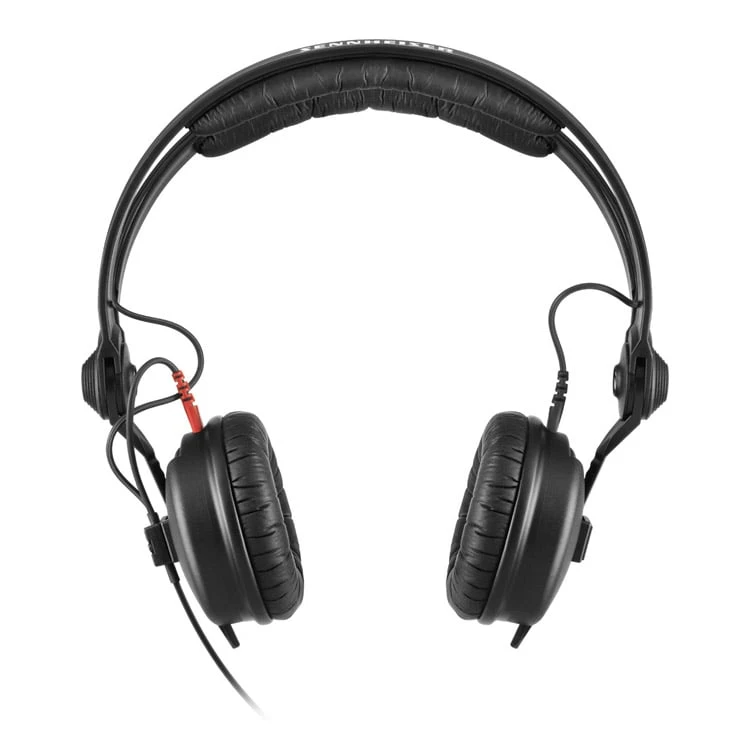
Some products earn their reputation through marketing. The Sennheiser HD 25 earned its through three decades of being strapped to the heads of working professionals in the loudest, most demanding environments on the planet. Walk into any broadcast van at the Australian Open, peek behind the decks at a club in Melbourne's Revolver, or visit a field reporter covering bushfire season — odds are you'll spot a pair of HD 25s.
But here's the real question Australian buyers face in 2026: with competitors from Pioneer, Audio-Technica, and Beyerdynamic offering compelling alternatives at various price points, is the HD 25 still the right choice for your situation? That's what this guide is for. We'll break down the HD 25 against its main rivals, explain who each headphone actually suits, and help you spend your money where it matters most.
Why the HD 25 Deserves a Proper Comparison
The Sennheiser HD 25 was first released in 1988. Let that sink in. A headphone design that's nearly four decades old is still in active production, still used by professionals, and still considered a benchmark. That's not nostalgia — that's engineering.
The HD 25's longevity comes down to a few non-negotiable qualities: it's light enough to wear for hours, loud enough to cut through booth monitors, tough enough to survive touring life, and its sound signature prioritises clarity and punch in exactly the frequencies that matter for cueing and monitoring. Every part is user-replaceable, from the ear pads to the headband to the cable. When your HD 25s eventually wear out — and they will, because you'll use them constantly — you replace the parts, not the headphones.
But the market hasn't stood still since 1988. Let's see how the competition stacks up.
The Contenders: Head-to-Head Specs
| Specification | Sennheiser HD 25 | Pioneer HDJ-X5 | Audio-Technica ATH-M50x | Beyerdynamic DT 770 Pro (80Ω) |
|---|---|---|---|---|
| Type | Closed, on-ear | Closed, over-ear | Closed, over-ear | Closed, over-ear |
| Driver Size | Dynamic, 40 mm | 40 mm | 45 mm | 45 mm |
| Impedance | 70 Ω | 32 Ω | 38 Ω | 80 Ω |
| Frequency Response | 16 Hz – 22 kHz | 5 Hz – 30 kHz | 15 Hz – 28 kHz | 5 Hz – 35 kHz |
| Sensitivity | 120 dB SPL | 102 dB | 99 dB | 96 dB |
| Weight (without cable) | ~140 g | ~270 g | ~285 g | ~270 g |
| Cable | 1.5 m coiled (detachable) | 1.2 m coiled (detachable) | 3 cables included (detachable) | 3 m straight (non-detachable) |
| Swivel Ear Cup | Yes (single cup) | Yes (both cups) | Yes (90°) | No |
| Approx. AUD Price | $229 – $269 | $149 – $179 | $219 – $249 | $239 – $269 |
| Best For | DJing, broadcast, field monitoring | Budget DJing, mobile DJs | Studio monitoring, all-rounder | Studio mixing, long sessions |
Sennheiser HD 25: The Strengths That Still Matter
1. Weight — The Killer Advantage Nobody Talks About Enough
At roughly 140 grams without cable, the HD 25 is almost half the weight of every competitor in this comparison. That doesn't sound like much on paper. Strap a pair to your head for a six-hour DJ set at a summer festival in 35-degree heat, and you'll understand why weight is the single most underrated headphone spec in existence.
The on-ear design means less material, less bulk, and less heat buildup around your ears. Over-ear headphones like the M50x and DT 770 Pro create a sealed chamber of warmth around your ears that becomes genuinely uncomfortable in hot Australian venues. The HD 25 sits on your ears, not around them, which makes a bigger difference than most buyers expect.
2. Sensitivity and Volume
The HD 25's 120 dB sensitivity rating is significantly higher than any competitor listed here. In a loud DJ booth, this matters enormously. You need headphones that can deliver enough volume from a standard headphone amp to cut through booth monitors and room noise. The HD 25 gets louder, cleaner, with less amplifier strain. The Pioneer HDJ-X5 at 102 dB and the ATH-M50x at 99 dB simply cannot match this output from the same source.
3. The Split Headband Design
The HD 25's dual-rail headband is distinctive — two thin metal bands instead of a single padded arch. This distributes pressure evenly, allows single-ear monitoring (essential for DJs who need one cup on and one off), and contributes to the lightweight feel. It's also remarkably durable. These headbands survive being shoved into bags, dropped on stages, and generally abused in ways that would crack a plastic headband in months.
4. Serviceability
Every single component of the HD 25 is available as a spare part: ear pads, headband padding, drivers, cable, even the capsule housings. This isn't just an environmental benefit — it's a financial one. A fresh set of ear pads costs around $30-40 AUD and transforms a tired pair of HD 25s into something that feels brand new. Try getting replacement parts for most competing headphones three years after purchase. Good luck.
5. Sound Signature for Monitoring
The HD 25 doesn't try to flatter your music. Its sound signature is punchy, forward, and detailed in the midrange, with tight bass that doesn't bleed into other frequencies. For DJing and broadcast monitoring, this is exactly right — you need to hear what's actually happening in the mix, not a bass-boosted version of it. Beat-matching, EQ adjustments, and vocal clarity all benefit from this honest presentation.
Where the HD 25 Falls Short — Let's Be Honest
- Comfort for casual listening: The on-ear clamping force is firm. It has to be — the headphones need to stay put when you're moving around a DJ booth. But for relaxed listening at a desk, many people find over-ear alternatives more comfortable.
- Sound isolation: On-ear headphones inherently isolate less than well-sealed over-ear designs. The DT 770 Pro wins this category convincingly.
- Bass extension: While the HD 25's bass is tight and controlled, bassheads and EDM producers might prefer the deeper sub-bass extension of the DT 770 Pro or the slightly warmer low-end of the M50x.
- No folding mechanism: The HD 25 doesn't fold flat for transport, unlike the M50x which folds neatly. You can rotate the ear cup, but portability isn't its strongest suit.
- Single-sided cable only: The cable enters from the left side only. This is standard for DJ headphones but worth noting if you have a preference.
Competitor Deep Dives
Pioneer HDJ-X5 — Best Budget DJ-Specific Alternative
Pioneer designed the HDJ-X5 specifically for DJs, and it shows. The swivelling ear cups rotate in both directions (the HD 25 only swivels one cup), the build quality is solid for the price, and the sound signature is tuned for booth monitoring. At $149-$179 AUD, it's noticeably cheaper than the HD 25.
Pros:
- Purpose-built for DJing with flexible monitoring positions
- Over-ear design with decent noise isolation
- Detachable cable system
- Strong build quality for the price bracket
- Carries the Pioneer DJ pedigree
Cons:
- Nearly double the weight of the HD 25
- Lower sensitivity — needs more volume from the amp
- Ear pads trap heat during long sets
- Less proven long-term durability track record
Choose the HDJ-X5 if: You're a mobile or bedroom DJ on a budget who values the over-ear comfort and Pioneer ecosystem. It's genuinely good value and a perfectly capable DJ headphone for most working situations.
Audio-Technica ATH-M50x — Best All-Rounder
The M50x is arguably the most popular studio headphone in the world, and for good reason. Its sound signature is slightly V-shaped — a touch of bass warmth and treble sparkle that makes everything sound engaging without straying too far from neutral. It folds flat, comes with three interchangeable cables, and works brilliantly across DJing, studio work, and everyday listening.
Pros:
- Excellent all-round sound quality
- Three included cables (coiled, short straight, long straight)
- Folds flat for easy transport
- Widely available with strong resale value
- Comfortable over-ear pads for most head shapes
Cons:
- Significantly heavier than the HD 25
- Lower sensitivity — harder to drive loud in noisy environments
- Sound signature slightly flatters music rather than revealing it
- Not as robust for rough DJ use — the folding hinges are a potential failure point
- Replacement parts less readily available than HD 25
Choose the M50x if: You need one pair of headphones that works across DJing, studio production, and commuting. It's the Swiss Army knife of headphones — good at many things, master of none, but genuinely useful in almost every scenario.
Beyerdynamic DT 770 Pro (80Ω) — Best for Studio and Long Sessions
The DT 770 Pro is a studio staple that competes with the HD 25 in a completely different way. Where the HD 25 is about portability and loud-environment monitoring, the DT 770 Pro is about isolation, comfort, and extended listening. Its velour ear pads are legendary for comfort, its bass extension reaches genuinely deep, and its passive noise isolation is excellent.
Pros:
- Exceptional comfort — velour pads breathe well and feel plush
- Outstanding bass extension and sub-bass performance
- Excellent passive noise isolation
- Wide, detailed soundstage for a closed headphone
- Made in Germany, built like a vault
Cons:
- Non-detachable cable — a significant drawback for DJ use
- 3-metre cable is far too long for DJ booth work
- No swivelling ear cup for single-ear monitoring
- Too bulky and heavy for active DJ use
- 80Ω impedance requires a decent amp for full volume
Choose the DT 770 Pro if: You're primarily a studio producer or engineer who occasionally DJs. It's a terrible DJ headphone and an outstanding studio headphone. Know what you're buying it for.
Budget Alternatives Worth Mentioning
| Headphone | Approx. AUD | Quick Take |
|---|---|---|
| Pioneer HDJ-CUE1 | $79 – $99 | Entry-level DJ cans. Adequate for bedroom mixing, not built for pro abuse. |
| Audio-Technica ATH-M30x | $99 – $119 | Decent studio monitoring at a fraction of the M50x price. Not ideal for DJing. |
| OneOdio A70 | $50 – $70 | Budget option with Bluetooth. Acceptable for learning, but you get what you pay for. |
A word on budget alternatives: if you're serious about DJing or professional audio work, the HD 25 represents a genuine investment that pays dividends over years of use. A $79 headphone replaced every 12 months costs more over five years than one HD 25 with occasional pad replacements.
Real-World Use Cases: Who Should Buy What?
Professional Club or Festival DJ
Winner: Sennheiser HD 25
This is the HD 25's home turf. Loud environments, long sets, physical demands, the need for precise cueing — everything about the HD 25 was designed for this exact scenario. The lightweight build, high sensitivity, and bombproof durability make it the clear choice. There's a reason you see them behind every other set of decks in Australia.
Mobile or Wedding DJ
Winner: Pioneer HDJ-X5 or Sennheiser HD 25
Mobile DJs deal with varying environments and budgets. The HDJ-X5 offers excellent value with DJ-specific features at a lower price. But if you're doing this full-time and need gear that lasts, the HD 25 is still the smarter long-term investment.
Bedroom DJ or Beginner
Winner: Pioneer HDJ-X5 or Pioneer HDJ-CUE1
If you're still learning and not sure DJing is your long-term path, there's no shame in starting with a more affordable option. The HDJ-X5 is a strong performer, and even the HDJ-CUE1 will teach you the basics without a major financial commitment.
Music Producer Who Also DJs
Winner: Audio-Technica ATH-M50x
If your primary work is in the studio but you play the occasional set, the M50x's versatility is hard to beat. It handles both roles competently, even if it doesn't excel at either to the same degree as a specialist headphone.
Broadcast or Field Recording
Winner: Sennheiser HD 25
The HD 25 is the industry standard in European and Australian broadcast. Its lightweight design works for outside broadcast vans, field reporting, and camera operation where bulky headphones are impractical. The high sensitivity means it works with portable recorders and camera headphone outs without needing a separate amp.
Studio Mixing and Mastering
Winner: Beyerdynamic DT 770 Pro
For pure studio work — tracking, mixing, reference checking — the DT 770 Pro's comfort, isolation, and detailed sound signature make it the better choice. The HD 25 is too forward and fatiguing for extended critical listening sessions.
The Value Equation: What Are You Actually Paying For?
Let's talk about cost of ownership over five years, because that's how professionals think about gear:
| Cost Factor | Sennheiser HD 25 | Pioneer HDJ-X5 | ATH-M50x |
|---|---|---|---|
| Purchase Price | ~$249 AUD | ~$169 AUD | ~$229 AUD |
| Ear Pad Replacements (5 yrs) | ~$90 (3 sets) | ~$60 (2 sets, if available) | ~$70 (2 sets) |
| Cable Replacement | ~$40 (official Sennheiser) | ~$30 | ~$25 |
| Likelihood of Full Replacement | Low — parts are available | Medium — may need new pair | Medium — hinge wear risk |
| Est. 5-Year Total Cost | $379 | $259 – $428* | $324 – $553* |
*Higher range accounts for potential full replacement if headphones fail before year 5.
The HD 25's serviceability means its five-year cost is remarkably predictable. You'll replace pads and maybe a cable, but the headphones themselves will soldier on. With competitors, there's always the risk that a broken hinge or failed driver means buying a whole new pair.
Common Decision Mistakes to Avoid
- Buying studio headphones for DJing. The DT 770 Pro and similar studio cans are fantastic in quiet environments. In a 110 dB club, they're out of their depth. Don't confuse "good headphone" with "right headphone."
- Prioritising frequency response specs. A headphone claiming 5 Hz – 35 kHz response isn't inherently better than one claiming 16 Hz – 22 kHz. Marketing specs tell you almost nothing about actual sound quality. Trust your ears and professional consensus.
- Ignoring weight for DJ use. Weight matters more than almost any other spec for headphones you'll wear during active, physical DJ sets. The HD 25's 140g weight is a genuine performance feature, not just a convenience.
- Buying cheap and replacing often. A $79 headphone replaced annually costs more over five years than a quality pair maintained properly. Invest once, maintain regularly.
- Assuming over-ear is always more comfortable. Over-ear headphones isolate better but trap heat. In warm Australian venues, lighter on-ear headphones can actually be more comfortable during long sets.
Questions to Ask Yourself Before Buying
- What's your primary use? DJing, production, broadcast, or all-round? The answer narrows your choices immediately.
- How loud is your working environment? Loud environments demand high sensitivity. The HD 25 excels here; studio headphones don't.
- How long are your sessions? Weight and comfort matter more for six-hour sets than one-hour bedroom sessions.
- Do you need single-ear monitoring? DJs almost always do. Not all headphones accommodate this well.
- What's your budget — for now and over five years? Think total cost of ownership, not just purchase price.
The Verdict: Our Honest Recommendations
If you DJ professionally or aspire to: Buy the Sennheiser HD 25. Full stop. Thirty-plus years of professional validation isn't marketing fluff — it's earned trust. The lightweight design, exceptional sensitivity, and fully serviceable construction make it the most reliable investment in professional DJ headphones available in Australia. Every dollar you spend on the HD 25 delivers value for years, not months.
If you're starting out and budget matters: The Pioneer HDJ-X5 is an excellent entry point that won't hold you back as you develop your skills. You can always upgrade to the HD 25 later when you know DJing is your path.
If you need one headphone for everything: The Audio-Technica ATH-M50x remains the best all-rounder at its price point. It won't match the HD 25 in a loud booth or the DT 770 in a quiet studio, but it does both jobs adequately.
If you're studio-first: The Beyerdynamic DT 770 Pro is your headphone. Don't force it into DJ duty — buy it for what it does best.
The Sennheiser HD 25 isn't the newest headphone on this list, the flashiest, or the cheapest. It's simply the one that professionals keep coming back to, year after year, because it does the job better than anything else at its price. In a market full of disposable gear, that kind of staying power says everything you need to know.
Shop the Sennheiser HD 25 at MusiconStage — Australia's trusted source for professional DJ and audio equipment.