
Sennheiser EW 300 G3 IEM System: Worth It for Aussie Stage Pros?
Sennheiser EW 300 G3 IEM System: Is This Wireless Monitor Worth Your Hard-Earned Cash?
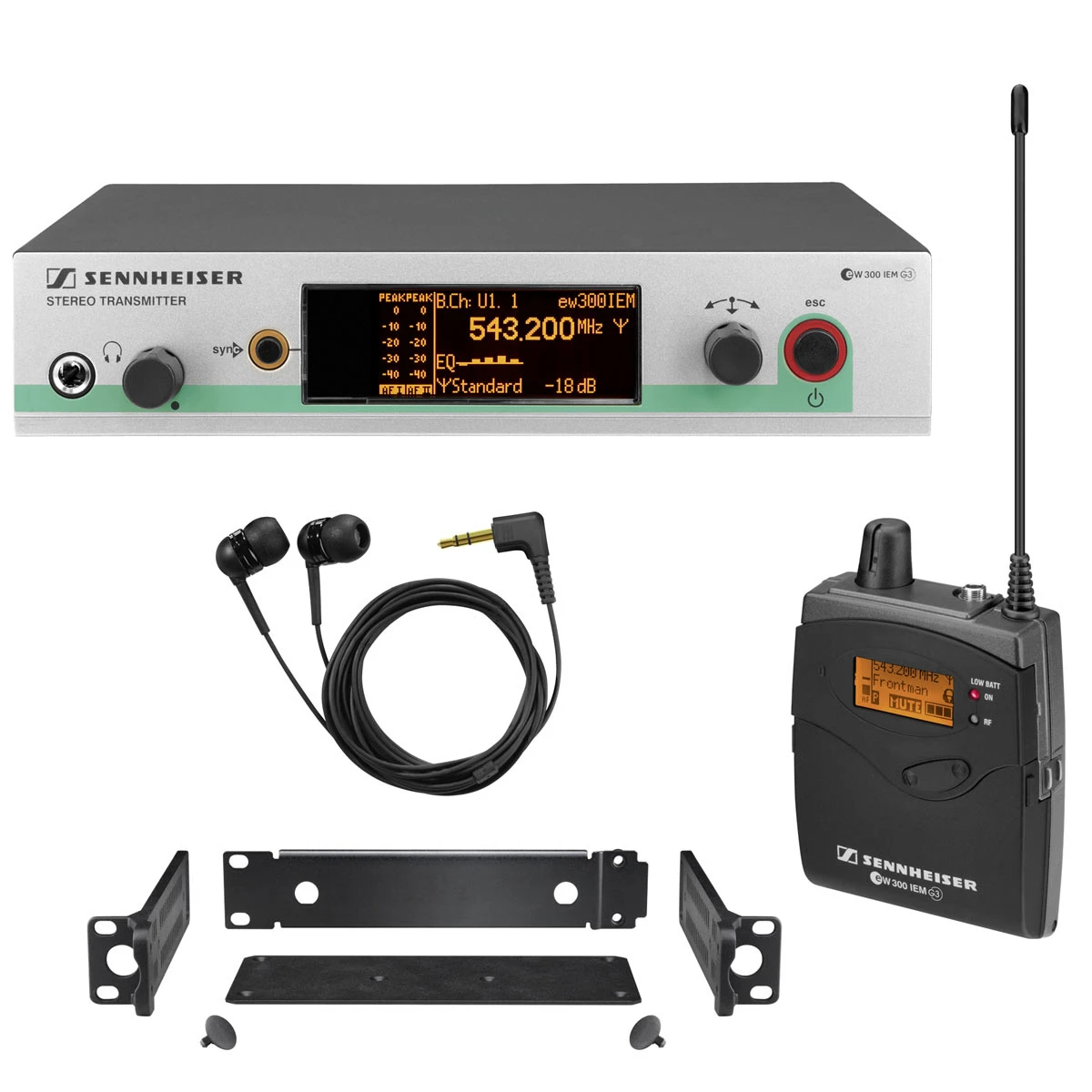
Right, let's talk in-ear monitors. Because if you've ever tried to hear yourself on stage through dodgy floor wedges—you know the pain. The Sennheiser EW 300 G3 IEM system running on B-band (626-668 MHz) has been a go-to for touring musicians and worship teams for years. But is it still worth buying in 2025?
Short answer? Yeah, it bloody well is.
What's Actually in the Box?
The EW 300 G3 A IEM system comes as a complete package. You're getting the SR 300 G3 rackmount transmitter, the EK 300 G3 bodypack receiver, plus Sennheiser's IE 4 earphones to get you started. Everything you need to ditch those floor monitors.
Now, the IE 4 earphones are... fine. They work. But honestly? Most serious performers upgrade to custom moulds or higher-end universals pretty quick. That's not a knock on Sennheiser—it's just how the game goes with bundled earphones.
Why B-Band Matters for Australian Users
Here's something heaps of buyers overlook. The B-band frequency range (626-668 MHz) sits in a sweet spot for Australian RF conditions. You're getting 1680 tunable frequencies across that range, which means finding clean spectrum at crowded venues isn't the nightmare it used to be.
And look—RF coordination can get complicated. But Sennheiser's made it pretty straightforward with their adaptive diversity reception and pilot tone squelch. Translation? Less dropouts, cleaner audio, happier performers.
Sound Quality That Actually Delivers
Can't lie—this is where the G3 series really shines. The audio quality is remarkably transparent. You're hearing yourself as you actually sound, not some compressed, weird version. The HDX compander technology keeps things dynamic and natural.
Frequency response? 25 Hz to 15 kHz. Not quite full-range, but more than adequate for monitoring vocals, instruments, and click tracks simultaneously. Most performers won't notice what's missing up top.
What you will notice is the clarity. Vocals cut through. Drums punch. And that backline guitarist who's always too loud? You can finally control their level in your own mix.
Build Quality and Touring Reliability
Sennheiser doesn't mess around with construction. The transmitter's built for rack life—metal chassis, solid connectors, proper cooling. The bodypack receiver? Robust plastic that survives drops, sweat, and the general chaos of live performance.
Battery life on the receiver runs about 8 hours on two AAs. Decent enough for most gigs. Though if you're doing marathon worship sets or theatre runs, carrying spares is smart.
I reckon the belt clip could be beefier. It works, but it's not the most secure design out there. Many users add a cable tie for insurance. Small gripe, really.
Who Should Actually Buy This?
The EW 300 G3 sits in that professional-but-not-ridiculous price bracket. It's not entry-level gear—you're paying for genuine performance here.
Perfect for:
- Working musicians who gig regularly
- Church and worship teams wanting reliable monitoring
- Theatre productions needing consistent RF performance
- Corporate AV setups where dropouts aren't acceptable
Maybe not ideal if:
- You're just rehearsing at home (overkill, honestly)
- Budget's super tight—there are cheaper options
- You need multiple systems and can't coordinate frequencies
Comparing to Newer Options
So here's the thing. The G4 series exists now. Is the G3 outdated? Not really. The core transmission technology remains solid. You're missing some of the newer features like Bluetooth control and enhanced metering, but the actual audio performance? Still excellent.
For many users, the G3 represents better value. Same reliability, lower price point. Unless you specifically need those G4 features, the G3 delivers everything most performers actually require.
Setting Up Your System
Getting started isn't complicated. Rack the transmitter, power up the bodypack, sync frequencies, and you're basically there. Sennheiser's included a sync feature that transfers settings via infrared—pretty clever, actually.
The LCD displays on both units show clear information. Battery status, frequency, audio levels. No guesswork involved. Even at first glance, you know exactly what's happening.
Australian Buying Considerations
Warranty support matters when you're spending this kind of money. Sennheiser has solid Australian distribution through authorised dealers, meaning local warranty claims and technical support.
Ready to upgrade your stage monitoring? Grab the Sennheiser EW 300 G3 IEM System from Music on Stage with fast shipping across Australia. Authorised dealer, genuine product, proper support.
Quick FAQs
Can I use my own earphones? Absolutely. The bodypack has a standard 3.5mm output. Use whatever IEMs suit your ears and budget.
Is B-band legal in Australia? Yes—this frequency range is approved for wireless audio use in Australia. No licensing headaches.
How many systems can I run simultaneously? Properly coordinated? Around 16 systems in the same venue. Sennheiser's frequency calculator helps with planning.
The Verdict
The Sennheiser EW 300 G3 IEM system isn't the newest gear on the market. But that's kind of the point—it's proven, reliable, and sounds genuinely good. For Australian performers wanting professional wireless monitoring without the flagship price tag, it remains a smart choice.
Will it transform your live experience? If you're coming from floor wedges, absolutely. The control, clarity, and hearing protection alone make IEMs worth the investment.
Don't wait for your next gig to suffer through bad monitoring. Order your Sennheiser EW 300 G3 today and hear the difference professional IEMs make. Your ears will thank you.