
Sennheiser EW 300 G3 IEM System: B-Band Wireless Monitoring for Aussie Stages
Sennheiser EW 300 G3 IEM System: B-Band Wireless Monitoring for Aussie Stages
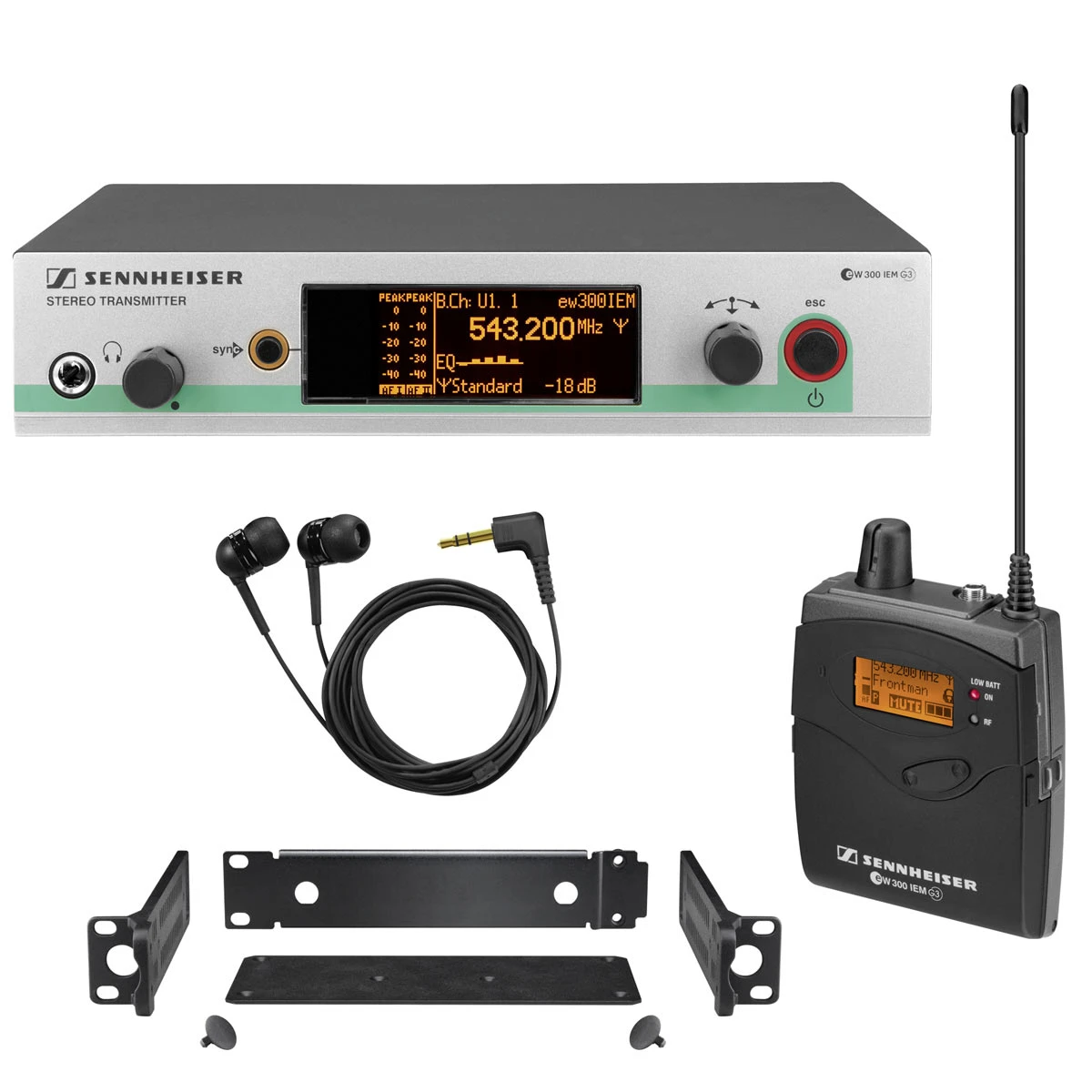
So you're after proper wireless in-ear monitoring that won't let you down mid-gig? Yeah, I get it. There's nothing worse than dodgy audio cutting out when you're trying to nail that solo. The Sennheiser EW 300 G3 IEM system on B-band (566-608 MHz) has been the go-to for touring pros and serious venue techs for years. But is it still worth your hard-earned cash in 2025?
Short answer? Absolutely. Here's why.
What Makes the EW 300 G3 Different?
Look, there's heaps of wireless IEM systems floating around. Some are cheap rubbish. Others cost more than your car. The G3 sits in that sweet spot where you're getting genuinely professional gear without remortgaging your house.
The system includes a rack-mountable SR 300 IEM transmitter and the EK 300 IEM bodypack receiver. Pretty standard stuff on paper. But Sennheiser's done something clever here – they've packed in 1680 tuneable frequencies within that B-band range. That's massive for Australian venues where frequency coordination can get... interesting.
Why does this matter? Because you can run multiple systems simultaneously without interference. Working a festival with 12 other wireless rigs? No worries. The adaptive diversity reception sorts that out.
B-Band Frequency: What Aussie Users Need to Know
Right, this is important. The B-band operates 566-608 MHz, which works brilliantly in Australia. But – and this is a big but – you'll want to check current ACMA regulations before deploying. Frequency allocations can shift, and you don't want the feds shutting down your church service because you're broadcasting on someone else's spectrum.
The good news? Sennheiser's Wireless Systems Manager software lets you scan your environment and automatically find clean frequencies. Dead simple. Even our bassist figured it out (sorry, Steve).
Sound Quality That Actually Delivers
Here's where I reckon the G3 really shines. The audio quality is... honestly, it's excellent. We're talking:
- HDX compander – Sennheiser's proprietary tech that keeps things transparent
- Wide frequency response – you hear what you're supposed to hear
- Low latency – critical for timing-sensitive performances
- Adjustable EQ on the bodypack – tweak your mix on the fly
Can't lie, the first time I used these after years on cheaper systems, the difference was pretty stark. Everything just sounded more... real? Less squashed. More dynamic. Your ears will thank you after a three-hour set.
Build Quality and Practical Stuff
Metal construction on the transmitter. It's rack-mountable and feels properly solid. The bodypack? Also metal. These aren't toys that'll crack when your guitarist inevitably drops his. Again.
Battery life sits around 8+ hours on the bodypack using standard AAs. Touring musicians love this – no proprietary battery nonsense. Grab AAs from any servo when you're on the road. Easy.
The LCD displays on both units are backlit and genuinely readable in dim backstage environments. Small thing, but it matters when you're scrambling to sort frequencies ten minutes before doors.
Who Should Buy This System?
Straight up? This kit suits:
- Touring musicians who need reliable monitoring night after night
- Houses of worship running multiple wireless systems
- Theatre productions requiring discrete monitoring
- Session players working across different venues
- FOH engineers building out serious rental inventories
Who shouldn't buy it? If you're only doing bedroom recordings or occasional backyard gigs, you're probably over-speccing. Something more affordable would do the job.
Compared to the Competition
How does it stack against similar systems? The Shure PSM 300 is the obvious comparison. Both are solid choices. I'd say the Sennheiser edges ahead on frequency agility – that 1680 tuneable frequency count is genuinely useful in crowded RF environments. The Shure's got its fans too though, especially in the US market.
Cheaper options from Behringer or LD Systems exist, sure. But you're trading reliability and audio quality. For professional applications where failure isn't an option? Stick with the proven gear.
Buying in Australia
Getting your hands on the Sennheiser EW 300 G3 IEM System in Australia means dealing with authorised dealers to ensure proper warranty coverage. Grey imports might save you a few bucks initially, but good luck getting support when something goes sideways.
Australian warranty typically runs two years through official channels. Worth it for peace of mind, I reckon.
Quick FAQ
Can I use multiple G3 systems together?
Yes – the frequency coordination software handles this beautifully. Run up to 16 systems in optimal conditions.
Are replacement parts available?
Absolutely. Sennheiser maintains solid parts availability even for older G3 units.
Will it work with my existing IEMs?
Any earphones with a 3.5mm jack work fine. Though honestly, pairing quality buds with quality wireless makes a real difference.
The Verdict
The Sennheiser EW 300 G3 on B-band remains a ripper choice for Australian performers and engineers needing dependable wireless IEM monitoring. It's proven, sounds fantastic, and handles complex RF environments like a champ.
Ready to upgrade your monitoring game? Order the Sennheiser EW 300 G3 IEM System from Music on Stage with fast Australian shipping and genuine warranty support.