
Mackie Thump 15A vs Top Powered Speakers: Australian Buyer's Guide 2026
Mackie Thump 15A vs Top Powered Speakers: Australian Buyer's Guide 2026
Choosing a powered speaker in the 15-inch class is one of those decisions that can make or break your live sound setup. Get it right, and you've got reliable, punchy audio for years. Get it wrong, and you're lugging around a box that never quite delivers when it counts.
The Mackie Thump 15A sits in one of the most competitive segments of the powered speaker market — mid-range 15-inch tops that promise big sound without the premium price tag. With 1300 watts of power on tap and Mackie's decades of live sound pedigree behind it, it's a serious contender. But is it the right choice for your setup?
In this guide, we'll pull apart the Thump 15A's specs, compare it head-to-head against the speakers it's actually competing with in Australia, and help you work out which powered speaker genuinely suits your needs and budget.
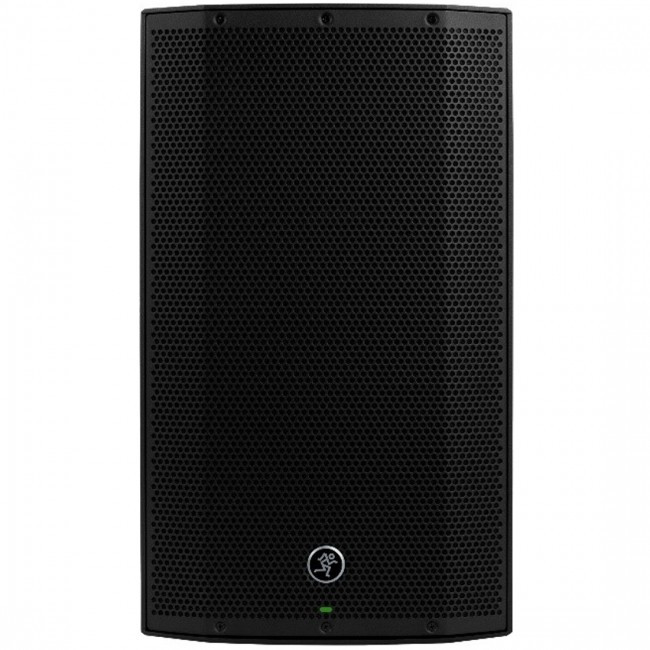
Understanding the 15-Inch Powered Speaker Market in 2026
Before we dive into the Thump 15A specifically, it's worth understanding where the market sits right now. The 15-inch powered speaker category has matured considerably, and Australian buyers have more genuinely good options than ever before.
Broadly, 15-inch powered speakers fall into three tiers:
- Budget tier ($400–$700 AUD): Entry-level options that'll get the job done for small gigs and casual use. You'll typically see lower wattage, basic DSP, and compromises on build quality.
- Mid-range tier ($700–$1,200 AUD): This is where the Mackie Thump 15A lives. Solid performance, decent feature sets, and reliable enough for regular gigging. The sweet spot for most working musicians and small-venue operators.
- Professional tier ($1,200–$2,500+ AUD): Premium drivers, advanced DSP, superior build quality, and the kind of headroom that lets you push hard without distortion. Think QSC K-Series, Yamaha DZR, and EV EKX.
The key question isn't which speaker is "best" — it's which speaker delivers the most value for how you'll actually use it.
Mackie Thump 15A: What You're Actually Getting
Let's start with what makes the Thump 15A tick before we start comparing it to everything else.
Power and Performance
The headline figure is 1300 watts of peak power, driven by a Class-D amplifier. Now, let's be straight — peak power ratings tell you less than you'd think. What matters more is how the speaker handles sustained output, and here the Thump 15A performs admirably for its class. The 15-inch low-frequency driver paired with a 1.4-inch compression driver delivers a frequency response of 35Hz–23kHz, giving you genuinely usable low end without needing a sub for smaller events.
Maximum SPL sits at 126 dB, which is more than enough to fill a room of 100–200 people comfortably. Push it beyond that and you'll start hearing the limits, but that's true of every speaker in this price range.
Built-In DSP and EQ
One area where Mackie has put genuine thought into the Thump 15A is the onboard DSP. You get application-specific speaker modes — typically options like Music, Live, Speech, and Sub/Top configurations. This isn't just a gimmick; these presets adjust the crossover points, EQ curves, and limiter settings to genuinely optimise output for different scenarios.
There's also a built-in 2-band EQ, which gives you enough control to tweak for room acoustics without needing an external processor. It's not a replacement for a proper system EQ on larger rigs, but for a single-speaker or pair setup, it's genuinely useful.
Build Quality and Portability
The polypropylene cabinet is sturdy without being excessively heavy. At approximately 21 kg, the Thump 15A is manageable for a single person to carry and set up — something that matters enormously when you're loading in without a crew. The integrated pole mount socket is standard 35mm, and the cabinet design allows for floor monitor use as well.
Connectivity
Inputs include XLR and TRS combo jacks, plus an XLR output for daisy-chaining. It's straightforward and reliable — no Bluetooth or wireless features here, which some will see as a limitation and others as one less thing to go wrong during a gig.
Head-to-Head: Mackie Thump 15A vs Key Competitors
Here's where things get interesting. Let's see how the Thump 15A stacks up against the speakers it's most commonly compared to in Australia.
| Feature | Mackie Thump 15A | JBL EON715 | Yamaha DBR15 | EV ZLX-15P G2 |
|---|---|---|---|---|
| Peak Power | 1300W | 1300W | 1000W | 1000W |
| Max SPL | 126 dB | 127 dB | 132 dB | 127 dB |
| Frequency Response | 35Hz–23kHz | 39Hz–20kHz | 50Hz–20kHz | 44Hz–20kHz |
| Weight | ~21 kg | ~16.3 kg | ~22 kg | ~18.5 kg |
| DSP/App Control | Onboard presets | Bluetooth + JBL Pro Connect app | FIR-X tuning, onboard | Bluetooth + QuickSmart app |
| Bluetooth Audio | No | Yes | No | Yes (G2) |
| Monitor Angle | Yes | Yes | Yes | Yes |
| Approx. AUD Price Range | $650–$850 | $900–$1,100 | $950–$1,150 | $800–$1,000 |
Mackie Thump 15A vs JBL EON715
The JBL EON715 is probably the Thump 15A's most direct competitor, and it's telling that JBL prices it noticeably higher. The EON715 brings Bluetooth streaming and app-based DSP control via JBL Pro Connect, which is a genuine advantage if you want to fine-tune your sound from your phone during a gig. It's also lighter at 16.3 kg, which your back will appreciate over a long touring schedule.
Sound-wise, the EON715 tends to have a slightly more refined high end and tighter low-mid response. The Thump 15A, however, delivers more extended low-frequency response (35Hz vs 39Hz), which can matter if you're running without a subwoofer. If budget is a factor, the Thump 15A offers roughly 80% of the EON715's performance at 65–75% of the price. That's a compelling value proposition.
Choose the JBL EON715 if: You need app control, Bluetooth audio, and the lightest possible carry weight. You're willing to pay extra for polish.
Choose the Mackie Thump 15A if: You want strong low-end extension, proven reliability, and significant savings — especially when buying a pair.
Mackie Thump 15A vs Yamaha DBR15
Yamaha's DBR15 is a fascinating competitor because it takes a different approach. Despite a lower peak power rating (1000W), the DBR15 achieves a notably higher max SPL of 132 dB thanks to Yamaha's efficient amplifier design and FIR-X tuning technology. In raw loudness and clarity at high volumes, the DBR15 genuinely outperforms the Thump 15A.
The trade-off? The DBR15's frequency response only extends down to 50Hz, meaning you'll almost certainly need a subwoofer for anything with serious bass content. It's also comparable in weight at 22 kg and sits at a higher price point.
Choose the Yamaha DBR15 if: You prioritise clean, loud output and always run subs. The clarity of Yamaha's FIR-X processing is genuinely impressive for the price.
Choose the Mackie Thump 15A if: You need a more versatile speaker that can handle bass-heavy content on its own, or you're working within a tighter budget.
Mackie Thump 15A vs Electro-Voice ZLX-15P G2
The EV ZLX-15P G2 is perhaps the closest competitor in terms of both price and positioning. EV's second-generation ZLX line added Bluetooth streaming and the QuickSmart DSP app, putting it slightly ahead on features. Sound quality is comparable, with the EV offering a touch more midrange clarity that benefits vocal-heavy applications.
The Thump 15A fights back with deeper bass extension and typically a lower street price in Australia. Build quality is similar — both are robust enough for regular gigging without feeling overly premium.
Choose the EV ZLX-15P G2 if: You need Bluetooth audio streaming and app-based control, or vocals are your primary application.
Choose the Mackie Thump 15A if: You want the deepest bass response in the class and the most competitive price point.
Who Should Buy the Mackie Thump 15A?
After comparing specs, features, and real-world performance, here's where the Thump 15A genuinely excels:
Best For: Solo Musicians and Small Bands
If you're a solo performer, duo, or small band playing venues up to about 200 people, the Thump 15A is an outstanding choice. A pair of these will fill a pub, small function room, or outdoor gathering with clean, powerful sound. The deep bass extension means you can often skip the subwoofer for acoustic, folk, or lighter rock gigs — which saves you money, weight, and setup time.
Best For: DJs on a Budget
For mobile DJs who need loud, bass-forward sound without investing in a separate sub setup for smaller events, the Thump 15A's low-end reach is a genuine advantage. You won't be shaking the walls at a wedding reception, but you'll have enough bottom end to keep people dancing.
Best For: Schools, Churches, and Community Venues
The straightforward controls, reliable performance, and competitive pricing make the Thump 15A ideal for venues where multiple people might operate the system. There's no app to configure, no Bluetooth to pair — just plug in and go. For organisations watching their budget, a pair of Thump 15As delivers professional-grade sound at a price that doesn't require committee approval.
Think Twice If...
- You need Bluetooth audio streaming: The Thump 15A doesn't have it. If playing music from a phone wirelessly is essential for your workflow, look at the JBL EON715 or EV ZLX-15P G2.
- You need app-based DSP control: If you want to EQ and adjust settings from your phone mid-gig, competitors offer this and the Thump 15A doesn't.
- You're doing critical vocal reinforcement: The Yamaha DBR15 and EV ZLX-15P G2 both offer slightly more refined midrange clarity for speech and vocal applications.
- You're outfitting a permanent install above 300 capacity: At that point, you're probably looking at QSC K-Series, Yamaha DZR, or even line array solutions. The Thump 15A is designed for portable use and smaller permanent installs.
Value Analysis: What Your Dollar Actually Buys
Here's what makes the Thump 15A genuinely interesting from a value perspective. In Australia, you can typically pick up a pair for what a single premium-tier speaker costs. That maths matters.
| Scenario | Single Unit Value | Pair Value | Verdict |
|---|---|---|---|
| Solo musician wanting stereo PA | ★★★★☆ | ★★★★★ | Outstanding value for a complete stereo setup |
| DJ needing bass without subs | ★★★★☆ | ★★★★☆ | Best bass-per-dollar in class |
| Small venue permanent install | ★★★★☆ | ★★★★★ | Hard to beat at this price for reliability |
| Professional touring rig | ★★★☆☆ | ★★★☆☆ | Capable but you'll want to step up eventually |
The Thump 15A's value proposition is strongest when you're buying a pair and don't need wireless features. The savings compared to competitors — often $300–$500 on a pair — can go towards cables, stands, cases, or even a subwoofer down the track.
Practical Buying Tips for Australian Buyers
A few things worth considering before you pull the trigger:
- Always buy in pairs if you can. Stereo coverage makes an enormous difference in how your sound fills a room. Many Australian retailers offer bundle pricing on speaker pairs — always ask.
- Factor in stands and cables. Budget an extra $100–$200 for a decent pair of speaker stands and quality XLR cables. Cheap stands are a safety hazard with a 21 kg speaker on top.
- Consider your subwoofer path. If you know you'll add a sub within six months, the Thump 15A pairs beautifully with the Mackie Thump 118S. Staying within the same brand ecosystem keeps your DSP presets optimised.
- Check warranty terms. Mackie offers a solid warranty, but terms can vary by Australian retailer. Buying from an authorised dealer like MusiconStage ensures you're fully covered.
- Test before you commit if possible. If you're in Sydney, Melbourne, or Brisbane, try to audition powered speakers in person. Specs don't tell the full story — your ears are the final judge.
Common Mistakes When Choosing Powered Speakers
After years of seeing musicians and venues make speaker decisions, these are the pitfalls that come up again and again:
- Obsessing over peak wattage. A 1300W speaker isn't necessarily louder than a 1000W one. Amplifier efficiency, driver sensitivity, and DSP tuning matter far more than raw wattage.
- Ignoring weight. If you're loading in solo three nights a week, every kilogram matters. The difference between a 16 kg and 22 kg speaker is significant over time.
- Buying features you won't use. Bluetooth audio and app control are brilliant if you'll use them. If you're always running from a mixer via XLR, you're paying for features that'll sit unused.
- Not matching speakers to subs. If you're planning a sub-satellite system, choosing speakers and subs from the same manufacturer and product line ensures the best crossover integration.
- Buying one premium speaker instead of two good ones. For most applications, a pair of mid-range speakers will outperform a single premium speaker. Coverage matters more than peak quality from one point source.
The Verdict: Should You Buy the Mackie Thump 15A?
The Mackie Thump 15A isn't trying to be the best powered speaker ever made, and that's precisely why it works so well. It's a smart, well-engineered speaker that delivers exceptional value in the mid-range segment.
Its strengths are clear: impressive bass extension for a 15-inch top, reliable build quality, simple operation, and a price point that makes buying a pair genuinely accessible. In a market where competitors are adding Bluetooth and app features (and charging accordingly), the Thump 15A focuses on doing the fundamentals well at a price that's hard to argue with.
If you need wireless features or the absolute last word in sound quality, competitors like the JBL EON715 or Yamaha DBR15 are worth the extra investment. But if you want a dependable, powerful 15-inch speaker that won't let you down on stage — and won't empty your bank account — the Thump 15A deserves serious consideration.
Our recommendation: For Australian musicians, DJs, and venues looking for the best bang-for-buck in powered 15-inch speakers, the Mackie Thump 15A is a top-tier choice. Check current pricing and availability at MusiconStage — especially if you're looking at picking up a pair.
Got questions about whether the Thump 15A is right for your specific setup? Get in touch with the team at MusiconStage — they'll steer you right.