
Mackie Thump 15A Powered Speaker: Aussie Buyer's Guide 2026
Mackie Thump 15A 15" 1300W Powered Speaker: Complete Australian Buyer's Guide 2026
Choosing a powered speaker in the AU$700–AU$1,000 bracket is one of the trickiest decisions in live sound. There are dozens of 15-inch active boxes fighting for your money, and most of them quote impressive-sounding wattage figures that don't tell you much about how they'll actually perform at your next gig. The Mackie Thump 15A sits right in the thick of this contest, and it has become one of the most popular workhorse speakers among Australian musicians, mobile DJs, schools, houses of worship and small hire companies. But popularity alone isn't a reason to buy. This guide breaks down exactly what the Thump 15A offers, how it stacks up against the alternatives, and — most importantly — whether it's the right choice for your needs.
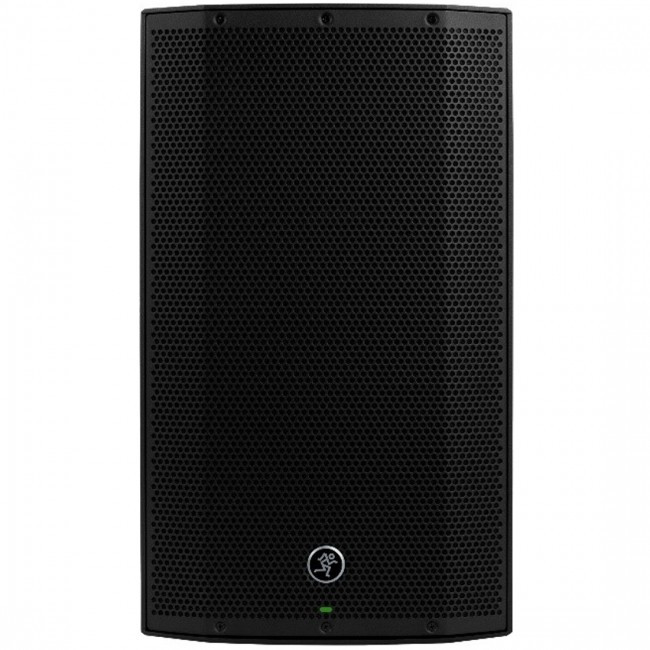
Where the Thump 15A Sits in the Market
Powered (or "active") speakers have built-in amplification and processing, so you don't need a separate power amp or external DSP. This makes them the default choice for portable PA work, and the 15-inch format is the sweet spot for full-range sound that can handle vocals, backing tracks, DJ sets and light band use without a subwoofer.
In Australia, the active 15-inch category breaks roughly into three tiers:
- Budget tier (AU$400–AU$650): entry-level boxes, often with lighter components and basic onboard mixing. Fine for occasional, low-volume use.
- Value/workhorse tier (AU$700–AU$1,100): where the Thump 15A lives. Genuine pro-grade output, reliable Class-D amplification, and enough headroom for real gigs.
- Premium tier (AU$1,300+): boxes like the QSC K12.2 or RCF ART 945-A, with higher-grade transducers, superior DSP, and longer throw.
The Thump 15A's positioning is deliberate: Mackie aimed to deliver the loudest, most dependable box it could at a price that undercuts the premium brands. The current Thump series uses a 1300W peak Class-D power module, a 15-inch woofer, a 1.4-inch titanium-dome compression driver, and built-in application-specific voicing modes.
Key Specifications at a Glance
| Specification | Mackie Thump 15A |
|---|---|
| Power (peak) | 1300W Class-D |
| LF driver | 15-inch woofer |
| HF driver | 1.4-inch titanium compression driver |
| Max SPL | Approx. 127 dB |
| Onboard voicing modes | Music, Live, Speech, Mon (monitor), Sub |
| Inputs | 2x combo XLR/TRS, with mixing |
| Enclosure | Lightweight polypropylene, pole-mount & monitor angle |
| Approx. weight | ~15 kg |
The headline figure most buyers fixate on is the 1300W rating. It's worth being honest here: that's a peak figure, not continuous RMS power, and every brand quotes these numbers differently. What matters far more is real-world SPL and how the box behaves when pushed — and the Thump 15A is genuinely loud, comfortably filling a function room, small club, or outdoor party for a crowd of 100–250 people.
Strengths and Weaknesses
No speaker is perfect at this price. Here's the honest breakdown.
What the Thump 15A Does Well
- Loud and punchy: Plenty of clean output for its price tier. It cuts through with confidence for DJs and solo performers.
- Genuinely portable: At around 15 kg, one person can carry and pole-mount it without drama — a real advantage for mobile operators.
- Onboard voicing modes: The DSP presets (Music, Live, Speech, Monitor) make it easy to get a usable sound without an audio engineering degree.
- Built-in mixing: Two combo inputs with level control mean you can run a mic and a music source straight into the box — handy for small events.
- Brand support & warranty: Mackie has strong distribution in Australia, so service and spares aren't a headache.
Where It Compromises
- Top-end refinement: The high frequencies are clear and present but not as silky or detailed as premium boxes costing twice as much.
- DSP depth: Voicing modes help, but you don't get the granular parametric EQ or app control found on higher tiers.
- Enclosure feel: The moulded cabinet is practical and light, though it feels less rugged than reinforced touring boxes.
How It Compares to the Main Alternatives
This is the comparison most buyers actually need. Below we've placed the Thump 15A against the three rivals Australians cross-shop most often.
| Feature | Mackie Thump 15A | JBL EON715 | RCF ART 915-A | QSC K12.2 |
|---|---|---|---|---|
| Driver size | 15" | 15" | 15" | 12" |
| Peak power | 1300W | 1300W | 2100W | 2000W |
| Bluetooth / app | No (15A) | Yes | No | No |
| DSP depth | Voicing modes | App + EQ | Advanced DSP | Advanced DSP |
| Sound quality tier | Very good | Very good | Excellent | Excellent |
| Approx. AU price | $ (lowest) | $$ | $$$ | $$$$ |
| Best for | Value workhorse | Tech-friendly users | Sound-first buyers | Premium portability |
Reading the Comparison
The takeaway is straightforward. If your priority is maximum sound quality and headroom regardless of cost, the RCF ART 915-A or QSC K12.2 are the better boxes — and they should be, given the price gap. If you want onboard Bluetooth and app control, the JBL EON715 is the natural pick. But if your priority is the most output and reliability per dollar, the Thump 15A is extremely hard to beat. It's not trying to win on refinement; it's trying to win on value, and it does.
Situation-Specific Recommendations
Rather than declaring one universal "winner," it's more useful to match the speaker to the job.
Best for Mobile DJs & Solo Performers
The Thump 15A is arguably at its best here. A pair gives you serious volume for parties and small clubs, the weight is manageable for solo load-ins, and the Music voicing mode delivers the low-end thump DJs want. Add a Thump subwoofer later and you have a properly capable rig.
Best for Schools, Halls & Houses of Worship
For speech-led applications, the Speech voicing mode keeps vocals intelligible, and the simple two-channel input lets staff plug in a mic and a laptop without training. Reliability and easy service support make it a sensible institutional buy.
Best for Small Bands
As mains for a duo or acoustic act, or as floor monitors (the cabinet has a monitor angle and a dedicated Mon mode), the Thump 15A punches above its price. For louder full bands, you'll eventually want subs and possibly a step up to the premium tier — but as a starting rig, it's excellent value.
When to Spend More
If you regularly play noisy, large rooms, do professional corporate AV where pristine fidelity matters, or need app-based system tuning, the extra spend on RCF or QSC is justified. The Thump 15A is a workhorse, not a flagship — and that's exactly the point.
A Practical Decision-Making Framework
Before you commit, run through these questions:
- What crowd size and venue? Up to ~250 people in a typical room? The Thump 15A is ample. Bigger or louder? Consider subs or a higher tier.
- How often will you carry it? Frequent solo load-ins reward the Thump's light weight.
- Do you need onboard mixing? If you want to skip an external mixer for small gigs, the built-in two-channel mixing is a genuine convenience.
- How much fidelity do you actually need? Be honest. For most party, DJ and speech work, the difference between "very good" and "excellent" sound won't change your outcomes — but it will change your bill.
- One speaker or a pair? Stereo coverage almost always sounds better; budget for two if you can.
Common Mistakes Buyers Make
- Chasing wattage numbers: Peak watts are a marketing figure. Judge by SPL and real-world reviews, not the biggest number on the box.
- Buying one when you need two: A lone speaker limits coverage and stereo imaging. Plan for a pair.
- Skipping the subwoofer question: If you do bass-heavy music, a 15-inch top alone may leave you wanting low end. The Thump ecosystem makes adding a sub easy.
- Overspending for fidelity you won't use: Premium boxes are wonderful, but for casual and value-focused users they're often money that could go toward stands, cables or a sub.
Value Verdict
Measured purely on dollars-to-output, the Mackie Thump 15A is one of the strongest value propositions in the Australian active speaker market in 2026. It won't out-finesse a QSC or RCF, and it doesn't pretend to. What it does is deliver loud, reliable, easy-to-use sound at a price that leaves room in the budget for the rest of your rig. For mobile DJs, solo performers, schools and small venues, that trade-off lands squarely in the right place.
If you want the cheapest path to genuinely gig-capable sound, this is the box to shortlist. Check current pricing and availability on the Mackie Thump 15A here.
Frequently Asked Questions
Is the Mackie Thump 15A loud enough for a party of 150 people?
Yes — comfortably. A single unit handles a small function, and a pair will fill a room of 150–250 with energy to spare for DJ and party use.
Does the Thump 15A need a separate mixer?
Not necessarily. It has two combo inputs with onboard level control, so for simple setups (a mic plus a music source) you can plug straight in. For larger setups, an external mixer is still recommended.
Should I add a subwoofer?
For DJ, electronic and bass-heavy music, a matching Thump subwoofer noticeably improves low-end weight and lets the tops run cleaner. For speech and acoustic use, the 15-inch top alone is usually plenty.
How does it compare to premium QSC or RCF speakers?
Those premium boxes offer more refined sound, deeper DSP and more headroom — but they cost significantly more. The Thump 15A wins on value; the premium boxes win on outright performance. Choose based on budget and how demanding your gigs are.
Still weighing your options? Browse the full range and compare powered speakers side by side at MusiconStage, or view the Mackie Thump 15A product page to make your decision with confidence.