
Mackie Performance Bundle vs Competitors: Aussie Buyer's Guide 2026
Mackie Performance Bundle vs the Competition: Which Starter Kit Actually Delivers in 2026?
If you've been trawling the internet looking for a single box that gets you mixing, recording, or podcasting without hunting down individual components, the Mackie Performance Bundle is probably on your shortlist. Two dynamic mics, a pair of headphones, and a proper mixer with USB — all from one brand, all designed to work together out of the box.
But is it actually the best value? Or are you better off piecing things together yourself, or going with a competing bundle from Behringer, Yamaha, or PreSonus?
This guide breaks it all down — what's in the box, how each component stacks up, who it's built for, and whether it's worth your hard-earned dollars here in Australia.
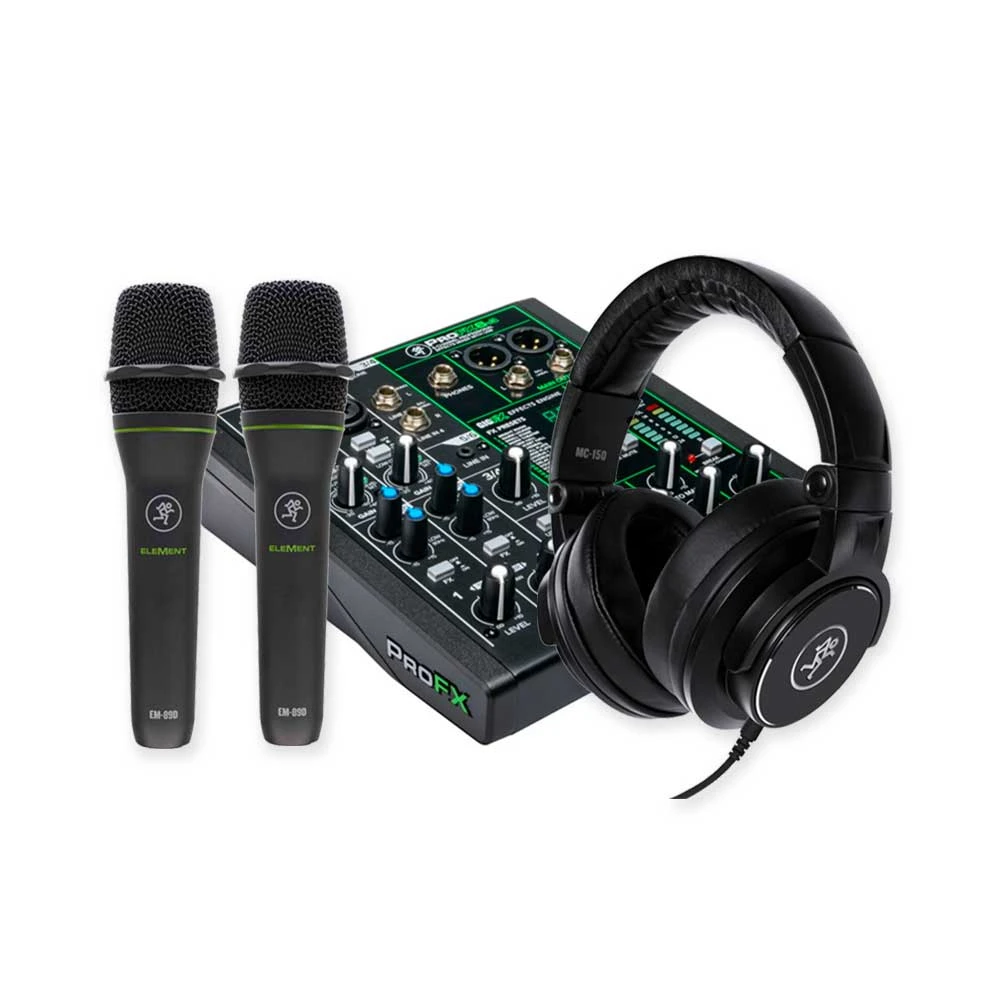
What's Inside the Mackie Performance Bundle?
Let's start with exactly what you get when you crack open the box:
- 1x Mackie ProFX6v3 Mixer — 6-channel professional effects mixer with built-in USB audio interface
- 2x Mackie EM-89D Dynamic Microphones — cardioid vocal mics with rugged metal construction
- 1x Mackie MC-100 Headphones — closed-back monitoring headphones with 40mm drivers
- XLR cables and accessories — everything you need to plug in and go
The selling point here is obvious: one purchase, one brand ecosystem, zero compatibility headaches. You're not wondering whether your mic cables are the right length or whether your headphones will plug into your mixer. Mackie has sorted all of that for you.
Component-by-Component Breakdown
The Mixer: Mackie ProFX6v3
The ProFX6v3 is the heart of this bundle, and honestly, it's the component that justifies the purchase price more than anything else. This isn't some throwaway mixer bundled in to pad the box — it's a genuinely capable unit that you'd buy on its own merits.
Key specs worth noting:
- Onyx mic preamps — Mackie's proprietary preamp design, known for clean gain and low noise. These are the same preamps found in their higher-end mixers, which is a genuine win at this price point.
- 24-bit/192kHz USB audio interface — plug straight into your laptop for recording or streaming without needing a separate interface.
- GigFX effects engine — 24 built-in effects including reverb, delay, and chorus. Handy for live use and saves you buying an external effects unit.
- 2 mic/line inputs with dedicated gain controls — enough for a duo setup, interview, or small acoustic gig.
- Aux send for monitoring — useful once you start doing more complex setups.
Where the ProFX6v3 really shines is its USB functionality. For anyone looking to record podcasts, stream, or capture live rehearsals, having a built-in interface that handles 24-bit audio is a serious value-add. Many competing bundles at this price either skip the USB entirely or include interfaces with noticeably lower audio quality.
The Microphones: Mackie EM-89D (x2)
You get two EM-89D dynamic cardioid microphones. These are workhorses — not flashy, but solidly built and genuinely useful.
- Cardioid polar pattern — rejects sound from the sides and rear, which is exactly what you want in a live or untreated room situation.
- Metal construction — these can take a knock. If you're gigging or moving gear regularly, that matters.
- Frequency response suited for vocals and speech — presence peak helps voices cut through a mix.
Let's be upfront: the EM-89D isn't going to rival a Shure SM58 or a Sennheiser e835 in terms of raw audio quality. But it doesn't need to. For someone starting out, doing small gigs, recording podcasts, or running rehearsals, these mics are more than adequate. And getting two of them means you can do interviews, duo podcasts, or mic two vocalists without spending extra.
The Headphones: Mackie MC-100
The MC-100s are entry-level closed-back headphones with 40mm drivers. They're lightweight, comfortable enough for extended sessions, and come with both 3.5mm and 6.3mm connections.
Honest assessment? These are the weakest link in the bundle. They'll do the job for basic monitoring — checking levels, listening back to recordings, cueing up tracks. But if you're doing serious mixing or critical listening, you'll likely upgrade these first. That said, having a working pair of monitoring headphones included means you're not caught out on day one.
Who Is This Bundle Actually For?
This is an important question because the Performance Bundle isn't trying to be everything to everyone. Here's where it fits — and where it doesn't:
Ideal For:
- Podcasters starting a two-person show — two mics, a mixer with USB, and headphones. You're basically set up from the start.
- Acoustic duos and small live acts — plug in, dial in your levels, add a touch of reverb from the built-in effects, and you're performing.
- Home studio beginners — the USB interface means you can record into GarageBand, Audacity, or any DAW without extra gear.
- Content creators and streamers — clean audio into your computer without the complexity of a full interface setup.
- Schools and community groups — robust gear that can handle being shared around without falling apart.
- Anyone who wants to avoid analysis paralysis — one box, everything works together, no compatibility research needed.
Not Ideal For:
- Bands with more than two vocalists — only two mic preamps means you'll quickly outgrow the mixer.
- Studio engineers needing condenser mic quality — the EM-89D is a dynamic mic, great for many things but not for detailed studio vocal recording.
- DJs or electronic producers — you'll want something more tailored to your workflow.
- Anyone who already owns quality components — if you've got a decent mixer, buying a bundle means paying for overlap.
How Does It Stack Up? Competitor Comparison
Here's where things get interesting. The Mackie Performance Bundle sits in a competitive space, so let's see how it compares to the most common alternatives available in Australia.
| Feature | Mackie Performance Bundle | Behringer XENYX Q802USB Bundle | PreSonus AudioBox Studio Ultimate | Yamaha MG06X + Mics |
|---|---|---|---|---|
| Mixer/Interface | ProFX6v3 (6-ch mixer + USB) | XENYX Q802USB (8-input mixer + USB) | AudioBox USB 96 (2-ch interface only) | MG06X (6-ch mixer, no USB) |
| Microphones | 2x EM-89D Dynamic | Varies (often XM8500 dynamic) | 1x M7 Condenser | Sold separately |
| Headphones | MC-100 (closed-back) | Varies by bundle config | HD7 (semi-open) | Not included |
| Built-in Effects | Yes — 24 GigFX effects | Yes — basic effects | No (software plugins included) | Yes — SPX effects |
| USB Recording | Yes — 24-bit/192kHz | Yes — 16-bit/48kHz | Yes — 24-bit/96kHz | No |
| Preamp Quality | Onyx (high quality) | XENYX (decent) | XMAX (very good) | D-PRE (very good) |
| Best For | Live + recording versatility | Budget-conscious beginners | Studio recording focus | Live sound purists |
vs Behringer XENYX Q802USB Bundles
Behringer is the go-to for budget gear, and their XENYX bundles are often the cheapest option on the shelf. You'll save money — potentially quite a bit — but there are trade-offs.
The XENYX preamps are decent but noticeably noisier than Mackie's Onyx preamps, especially at higher gain settings. The USB interface on the Q802USB tops out at 16-bit/48kHz compared to the ProFX6v3's 24-bit/192kHz — a real difference if you're recording. Build quality is also a step down; Behringer gear tends to feel more plasticky, and knobs and faders can feel loose over time.
Choose Behringer if: You're on the tightest possible budget and just need something functional to get started.
Choose Mackie if: You want gear that'll last longer, sound cleaner, and grow with you.
vs PreSonus AudioBox Studio Ultimate
This is the comparison that trips people up most. The PreSonus bundle is excellent — but it's built for a fundamentally different use case. It includes a dedicated audio interface (not a mixer), one condenser microphone, headphones, and a full copy of Studio One Artist DAW software.
If you're purely a studio recording person — sitting at a desk, recording one track at a time — the PreSonus bundle arguably gives you better recording quality. The M7 condenser captures more detail than a dynamic mic, and Studio One is a genuinely capable DAW.
But here's the thing: you can't use the AudioBox at a gig. There's no mixer functionality, no built-in effects, and only one microphone. The Mackie bundle gives you far more versatility — live sound, recording, podcasting, rehearsals — all from one kit.
Choose PreSonus if: You only care about studio recording and want the best single-voice capture quality.
Choose Mackie if: You need to do more than just record — live mixing, two-person setups, or any situation where a physical mixer matters.
vs Yamaha MG06X
Yamaha's MG series mixers are legendarily reliable, and the MG06X is a rock-solid little unit with excellent D-PRE preamps and SPX effects. The catch? It doesn't come as a bundle — you'll need to buy mics, headphones, and cables separately. And critically, the MG06X doesn't have USB, so you'll also need a separate audio interface if you want to record.
Once you add up a Yamaha MG06X plus two decent dynamic mics, headphones, cables, and an interface, you're looking at spending significantly more than the Mackie bundle — potentially double.
Choose Yamaha if: You already own mics and headphones, and you specifically want Yamaha's build quality and preamp sound.
Choose Mackie if: You're starting from scratch and want everything in one go without the higher total spend.
The Value Proposition: Bundle vs DIY
One question worth addressing head-on: should you just buy individual components instead?
If you already know exactly what you want — a specific mic, a specific mixer — then yes, buying separately makes sense. You'll get precisely what you need without compromises.
But if you're starting out, the maths usually favours the bundle. Buying a ProFX6v3 mixer, two dynamic mics, headphones, and cables individually in Australia will typically cost you 20-30% more than the bundle price. That's real money saved, and the convenience factor of everything being guaranteed compatible is worth something too.
The main argument against bundles is that you're stuck with every component the manufacturer chose. With the Mackie Performance Bundle, the mixer is genuinely excellent, the mics are solid for the price, and the headphones are... adequate. If you're the type who'd rather spend more on premium headphones and skip the bundled pair, that's a perfectly valid approach — but you'll need to factor in the cost of buying the mixer and mics separately.
What to Consider Before You Buy
Before pulling the trigger on any starter bundle, ask yourself these questions:
- How many inputs do you actually need? The ProFX6v3 has two mic preamps. If you're running a four-piece band, you'll outgrow this immediately. Be honest about your needs — buying too small and upgrading within six months is false economy.
- Do you need USB recording? If yes, this rules out several alternatives (like the Yamaha MG06X) and makes the Mackie bundle even more compelling.
- Dynamic or condenser microphones? Dynamic mics (like the included EM-89Ds) are forgiving and versatile — great for live use and untreated rooms. Condenser mics capture more detail but need phantom power and a quiet environment. For most beginners, dynamic is the right call.
- What's your upgrade path? The beauty of starting with a proper mixer is that you can upgrade individual components over time. Swap the headphones first, then maybe upgrade one mic to an SM58 — the mixer will handle it all.
- Are you primarily live or studio? If it's purely studio work, an interface-based setup (like PreSonus) might serve you better. If there's any live element, the Mackie wins.
Common Mistakes When Buying Starter Bundles
Having seen plenty of Aussie musicians and content creators go through this decision, here are the pitfalls to avoid:
- Buying too cheap and replacing everything within a year. A $150 no-name bundle from a marketplace seller is almost always a waste of money. The Mackie sits at a sweet spot where quality meets affordability.
- Buying more than you need. A 16-channel mixer for a solo podcast is overkill. The 6-channel ProFX6v3 is right-sized for duo setups.
- Ignoring the preamps. The preamp is where your signal chain starts. Noisy preamps mean noisy recordings, no matter how good your mic is. Mackie's Onyx preamps are genuinely good at this price point.
- Forgetting about cables and stands. The Mackie bundle includes XLR cables, which is a win. But you'll still need mic stands — budget an extra $50-80 for a pair of decent boom stands.
- Not testing in-store. If you're near a music shop, go in and feel the gear. The build quality difference between brands is immediately obvious when you turn a knob or plug in a cable.
Our Verdict: Who Should Buy the Mackie Performance Bundle?
The Mackie Performance Bundle hits a genuinely useful sweet spot in the Australian market. It's not the cheapest option, and it's not the most premium — but it delivers the best combination of versatility, build quality, and value for anyone who needs a complete setup in one box.
Best for: Podcasters, acoustic duos, content creators, and beginners who want reliable, good-sounding gear that works for both live use and recording.
The mixer alone is worth the investment — the Onyx preamps, GigFX effects, and 24-bit USB interface make the ProFX6v3 a capable unit that many users keep long after upgrading other components. Getting two mics and headphones bundled in makes the overall package hard to argue against.
If you're in Australia and looking for a single purchase that gets you from zero to mixing, recording, or performing — without the headache of researching and matching individual components — the Mackie Performance Bundle is one of the smartest buys you can make in 2026.
Ready to get started? Check out the Mackie Performance Bundle at MusiconStage — Australia's trusted source for pro audio gear.
Still deciding? View full specs and current pricing here to see if it's the right fit for your setup.