
KV2 EX26 Active Speaker: Australian Buyer's Guide 2026
KV2 EX26 2-Way Active Speaker System: The Complete Australian Buyer's Guide 2026
Choosing a professional point-source loudspeaker is one of the more consequential decisions a venue owner, hire company or touring engineer will make. The gear lives in the signal chain for years, gets judged by every audience, and represents real capital. The KV2 EX26 2-Way Active Speaker System sits in an interesting part of the market — a compact, self-powered box that promises point-source clarity rather than line-array complexity. But is it the right tool for your situation, and how does it stack up against the alternatives Australian buyers are realistically weighing?
This guide takes a fair, balanced look at where the EX26 fits, who it suits, and where a different product might serve you better. The goal isn't to sell you a speaker — it's to help you buy the right one.
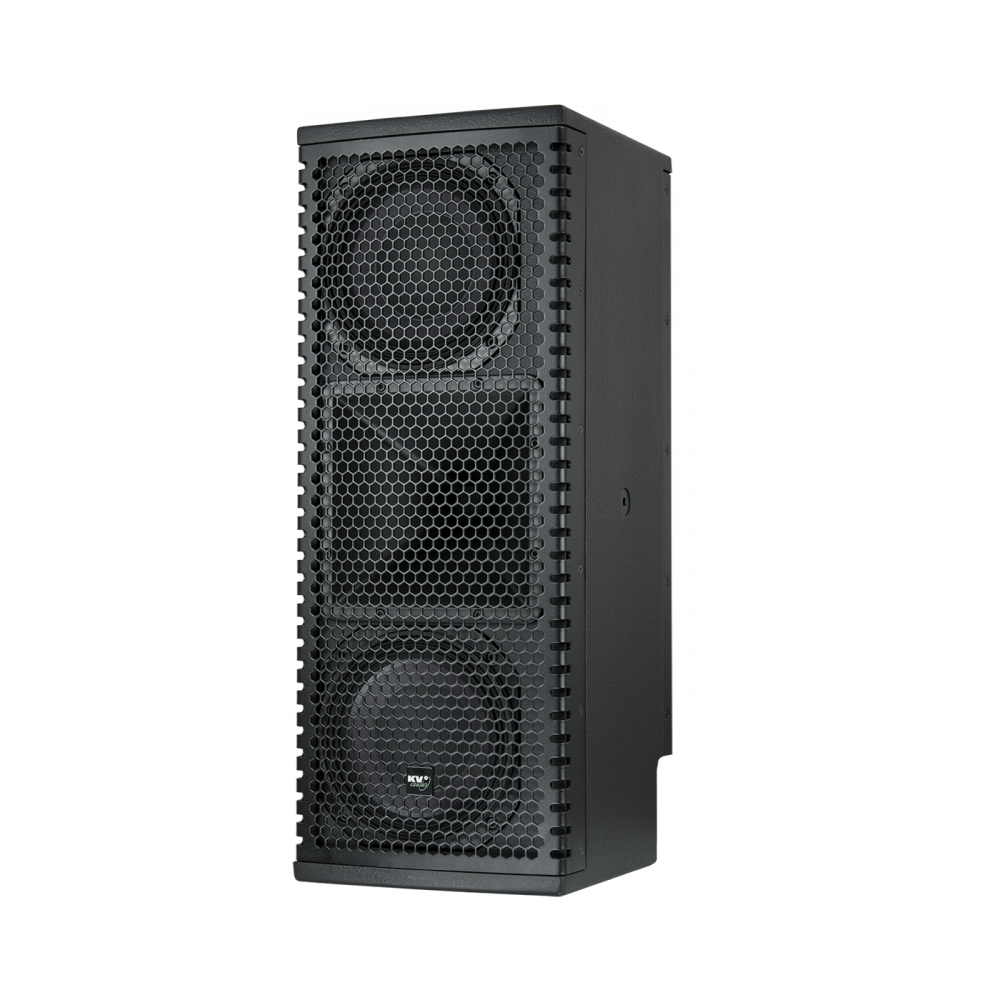
Understanding the Market: Where the EX26 Sits
Before comparing individual boxes, it helps to understand the landscape. Australian buyers shopping in this territory are usually deciding between three broad approaches:
- Budget powered PA speakers (roughly $600–$1,800 per box) — Mackie Thump, Electro-Voice ZLX, dB Technologies B-Hype. Great value, plug-and-play, aimed at DJs, small bands and mobile setups.
- Premium point-source systems (roughly $3,000–$7,000+ per box) — KV2 EX series, Meyer, d&b point-source models. Built for installers, high-end hire and venues where sound quality is the product.
- Compact line arrays — modular systems that trade point-source simplicity for scalable coverage in larger or reverberant rooms.
KV2 Audio built its reputation on a specific philosophy: analogue-driven, ultra-low-distortion point-source design that prioritises intelligibility and dynamic realism over sheer paper specs. The EX26 is a two-way active system that embodies this — a 6-inch (roughly) mid driver paired with a high-frequency unit and onboard amplification, engineered for headroom and clarity rather than chest-thumping low end. It's a speaker you choose because you care how a voice or an acoustic guitar actually sounds, not just how loud it goes.
What "2-Way Active" Actually Means for You
Two practical points are worth decoding before we compare:
- 2-way means two driver types — a mid/low driver and a high-frequency driver — with the crossover splitting the signal between them. This is the classic full-range point-source arrangement. It's inherently coherent because sound radiates from a single point, which is why point-source boxes often image so well.
- Active means the amplification and processing are built in. You feed it a line-level signal and it handles the rest. That removes the need for external amps and matching, simplifies rigging, and guarantees the amp is tuned to the drivers.
The trade-off, as with all KV2 EX-series point-source boxes, is that a compact 2-way system is not a subwoofer. For full-range music reproduction you'll typically pair it with a KV2 driven bass module such as the ES or EX sub range. That's by design — KV2 expects you to build a system, and the payoff is a cleaner, more articulate result than one box trying to do everything.
Feature-by-Feature Comparison
Here's how the EX26 compares against the two categories most Australian buyers cross-shop against.
| Factor | KV2 EX26 (Premium Point-Source) | Budget Powered PA (e.g. ZLX/Thump) | Compact Line Array |
|---|---|---|---|
| Sound signature | Ultra-low distortion, natural, detailed | Loud, punchy, coloured for impact | Even coverage, can feel less intimate |
| Point-source coherence | Excellent | Good | Traded for scalability |
| Ease of deployment | Simple (single box) | Very simple | Complex (rigging, tuning) |
| Bass without a sub | Limited by design | More onboard low end | Varies |
| Build & longevity | Professional, install-grade | Gig-grade | Professional |
| Price per box | Premium | Entry-level | High (system cost) |
| Best fit | Venues, installs, quality-first hire | DJs, mobile, small bands | Large/reverberant rooms |
Performance: Where the EX26 Earns Its Place
The EX26's strongest argument is intelligibility. KV2's analogue-focused engineering is specifically aimed at keeping distortion extraordinarily low across the dynamic range. In practice this means vocals sit forward and clear, transients feel natural, and the system stays composed at volume rather than turning harsh. For corporate AV, houses of worship, theatre, jazz and acoustic rooms, and premium hire where a client is paying for quality, this matters more than a couple of extra decibels of SPL.
Where the honest caveat lies: if your bread and butter is loud DJ sets or bass-heavy dance music from a single pair of tops, a budget powered box with more built-in low end can feel more immediately satisfying out of the crate — and cost a fraction as much. The EX26 rewards buyers who will run it as intended, ideally with a matched sub, and who value fidelity over price.
Situation-Specific Recommendations
Best for installers and venues
If you're specifying a permanent system for a venue, restaurant, function room or place of worship, the EX26 is a genuinely strong candidate. Point-source coherence, low distortion at conversational-to-live levels, and professional build make it a "fit and forget" choice that will still sound excellent in a decade.
Best for quality-first hire companies
Hire firms chasing higher-margin corporate and premium event work will find the KV2 name and sound a differentiator. It's the box you bring when the client cares about the result, not just the price on the quote.
Best value for money-conscious buyers
Be honest with yourself here. If budget is the deciding factor and you're doing mobile DJ or pub-band work, a quality entry-level powered speaker will serve you better for that use. The EX26 is not trying to win on price — it wins on fidelity, and that only pays off if fidelity is what you're actually selling.
Premium option worth the investment
For engineers who have heard the difference low-distortion point-source reproduction makes, the EX26 justifies its cost through the listening experience and long service life. Paired with a KV2 driven bass module, it becomes a compact, seriously capable full-range rig.
You can review current pricing and Australian availability directly on the KV2 EX26 product page at MusiconStage.
Value Analysis: What You're Actually Paying For
Premium speakers can look expensive on a spec sheet that only lists watts and SPL. But value in professional audio isn't measured that way. Consider what the EX26 price actually buys:
- Distortion performance that cheaper boxes simply can't match — the real reason KV2 sounds the way it does.
- Integrated, purpose-tuned amplification matched to the drivers, removing guesswork.
- Longevity — install-grade components that hold up to years of professional use, spreading the cost over a long service life.
- Resale and reputation — KV2 holds its name and value well in the pro market.
Measured as cost-per-year over a decade of professional service, a premium point-source box often works out closer to budget alternatives than the sticker suggests — especially once you factor in the gigs and clients that fidelity helps you win.
A Practical Decision-Making Framework
To decide whether the EX26 is right for you, work through these questions honestly:
- What is my primary use? Speech and acoustic clarity, or loud DJ/dance impact? The former favours the EX26; the latter may favour a bass-forward powered box.
- Will I run it with a sub? The EX26 is designed as part of a system. If you can't or won't add low-end support, weigh that carefully.
- Who am I serving? Clients paying for quality justify the investment; price-driven bookings may not.
- What's my time horizon? Long-term installs and fleets reward premium build; one-season stopgaps don't.
- Can I audition it? Point-source clarity is best understood by ear. If you can hear the EX26 against a rival, do it.
Common mistakes to avoid
- Comparing on watts and SPL alone. These numbers say little about distortion, clarity or musicality — the things you'll actually hear.
- Expecting subwoofer bass from a compact 2-way top. Plan the system, not just the box.
- Buying premium for a budget use case (or vice versa). Match the tool to the job.
- Ignoring total cost of ownership. Cheap boxes replaced every few years can cost more than one premium system.
Pros and Cons at a Glance
KV2 EX26 — strengths:
- Exceptional clarity and low distortion
- Coherent point-source imaging
- Compact, professional, install-ready
- Integrates into a scalable KV2 system
- Long service life and strong reputation
Trade-offs to consider:
- Premium price versus entry-level powered speakers
- Needs a matched sub for full-range music
- Overkill for casual mobile-DJ use
Honest Final Recommendation
The KV2 EX26 is not the right speaker for everyone — and that's precisely why it's worth recommending clearly. If you're a mobile DJ or weekend covers band chasing maximum volume per dollar, your money is better spent elsewhere. But if you're a venue, installer or quality-focused hire company, and you value how music and speech actually sound over headline SPL figures, the EX26 is one of the most rewarding compact point-source boxes you can buy in Australia in 2026. It's a fidelity-first choice, and for the buyers it suits, it's genuinely excellent.
The smartest next step is to weigh it against your specific use case using the framework above — and, ideally, to hear it. You can check current Australian pricing, specifications and stock on the official KV2 EX26 listing at MusiconStage, and reach out to the team if you'd like advice on pairing it with a matched KV2 driven bass module for a complete system.