
Handheld CO2 Jet Guns Explained: Beginner's Guide to Stage Effects 2026
Handheld CO2 Jet Guns Explained: Your Beginner's Guide to Stage Effects in 2026
If you've ever been at a festival, nightclub, or live event and seen those dramatic blasts of white fog shooting into the crowd — accompanied by colourful LED lights — you've witnessed a handheld CO2 jet gun in action. It's one of the most visually striking special effects in live entertainment, and the good news is that it's far more accessible than most beginners realise.
Whether you're a DJ looking to level up your stage presence, an event organiser wanting to add wow factor, or someone who's simply curious about how these effects work, this guide covers everything you need to know — from the basics of CO2 effects right through to getting started with the Joy LED01 Handheld CO2 Jet Gun, a popular entry point for Australian performers and event professionals.
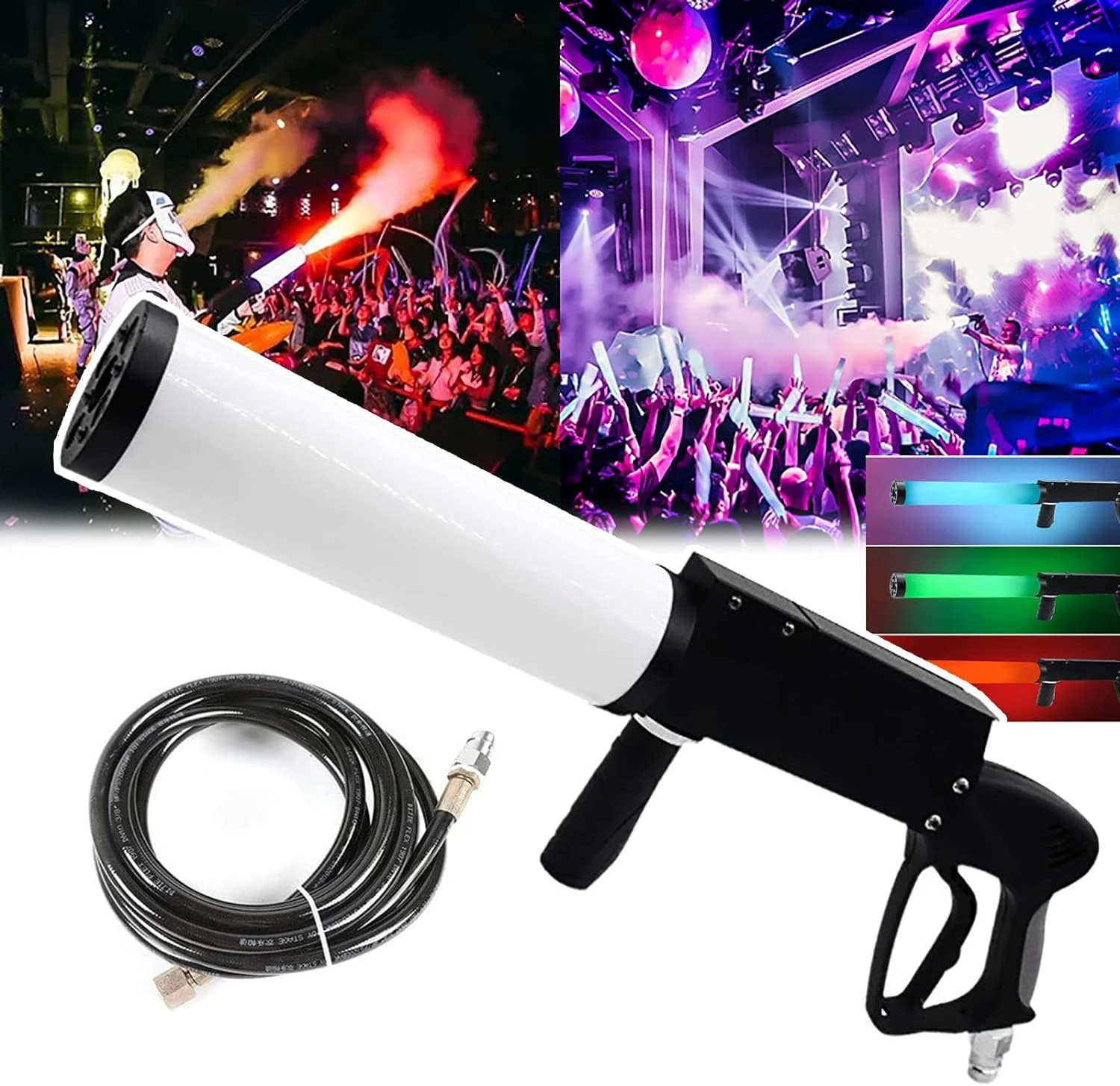
What Exactly Is a CO2 Jet Gun?
Let's start at the very beginning. A CO2 jet gun is a handheld device that releases compressed carbon dioxide gas in a powerful, visible blast. When the pressurised CO2 exits the gun, it rapidly expands and cools, creating a thick white plume that looks like a concentrated burst of fog or smoke.
Think of it like this: you know how your breath becomes visible on a cold winter morning? A CO2 jet gun works on a similar principle, but dramatically amplified. The rapid decompression of the gas creates an instant temperature drop, turning the CO2 into a visible, cloud-like effect that dissipates within seconds.
Key Terms You'll Encounter
- CO2 — Carbon dioxide, the same gas found naturally in the atmosphere and in fizzy drinks. In this context, it's stored as a liquid under high pressure in gas cylinders.
- Cryo effect — The cold, fog-like visual created when CO2 rapidly expands. "Cryo" simply refers to the cold temperature involved.
- Siphon tube cylinder — A special type of CO2 cylinder with an internal tube that draws liquid from the bottom. This is what CO2 jet guns typically require (more on this below).
- PSI — Pounds per square inch, a measurement of gas pressure. CO2 cylinders operate at high pressure, which is why safety knowledge matters.
- LED integration — Built-in coloured lights that illuminate the CO2 blast, creating colourful fog effects rather than just plain white.
Why Do People Use CO2 Jet Guns?
CO2 jet effects have become a staple of modern entertainment for several good reasons:
- Instant visual impact — Nothing grabs a crowd's attention quite like a sudden blast of cryo fog. It creates an immediate "moment" that audiences remember.
- Safe when used correctly — Unlike pyrotechnics (fireworks, flame effects), CO2 doesn't involve fire, sparks, or combustion. The gas dissipates quickly and doesn't leave residue.
- No lingering haze — Unlike traditional fog machines that fill a room with persistent haze, CO2 blasts disappear within seconds. This means you get the dramatic moment without obscuring the stage for the rest of the show.
- Crowd interaction — Because it's handheld, the performer can direct the effect towards the audience, creating an interactive experience that fixed effects can't match.
- Versatility — Used at nightclubs, festivals, weddings, corporate events, sports events, and private parties. The effect suits almost any high-energy occasion.
Understanding the Joy LED01 Handheld CO2 Jet Gun
The Joy LED01 from Music On Stage is designed specifically as an accessible, feature-rich option for performers and event professionals in Australia. What makes it particularly appealing for beginners is the combination of CO2 jet effects with integrated LED lighting — meaning you're not just getting white fog blasts, you're getting colourful, illuminated effects straight out of the box.
What the LED Feature Actually Does
Here's where the Joy LED01 differentiates itself from basic CO2 guns. The built-in LED lights illuminate the CO2 stream as it exits the gun, which means your fog blast can be lit up in a range of colours. In a dark venue or night-time outdoor event, this transforms a white fog blast into a vivid, coloured plume that's significantly more visually striking.
Why this matters for beginners: With a basic CO2 gun (no LEDs), you'd need to coordinate separate lighting fixtures to illuminate the fog — which adds complexity, cost, and setup time. The LED01 combines both elements into one device, making it much simpler to achieve professional-looking results.
Key Features Explained Simply
- Handheld design — You hold and aim it like a large torch. This gives you full control over direction, timing, and audience interaction. It's designed for one-handed operation so you can hold a microphone or interact with the crowd with your other hand.
- Integrated RGB LEDs — The built-in lights can produce multiple colours, lighting up the CO2 stream. RGB stands for Red, Green, Blue — by mixing these three colours at different intensities, the unit can produce virtually any colour you want.
- Trigger-operated — Simple squeeze-to-activate operation. No complex programming or DMX knowledge required for basic use. Pull the trigger, get the effect.
- Standard CO2 connection — Connects to standard CO2 siphon tube cylinders that are readily available from gas suppliers across Australia.
What You Need to Know Before Your First Purchase
This is where many beginners get caught out. The jet gun itself is only one part of the equation. Here's the complete picture of what you'll need:
1. The CO2 Supply
The gun doesn't come with CO2 — you'll need to source this separately. Here's what to know:
- You need a siphon tube cylinder — This is critical. Regular CO2 cylinders release gas from the top, but CO2 jet guns need liquid CO2, which is drawn from the bottom via a siphon tube. When ordering from your gas supplier, specifically ask for a "CO2 cylinder with siphon tube" or "dip tube."
- Cylinder sizes — Common sizes in Australia are 2.6kg, 6kg, and 10kg. For beginners, a 6kg cylinder is a good starting point. It gives you enough for a decent event without being too heavy or expensive to refill.
- Running costs — Each blast uses a noticeable amount of CO2. A 6kg cylinder might give you roughly 20-40 short blasts depending on duration. Budget for regular refills if you're using it frequently.
- Where to get CO2 in Australia — BOC Gas, Supagas, and other industrial gas suppliers across Australia can provide and refill siphon tube CO2 cylinders. Some party supply and homebrew shops can also help.
2. Hose and Fittings
You'll need a high-pressure CO2 hose to connect the cylinder to the gun. Make sure you're using fittings rated for CO2 pressure — this isn't the place for improvised solutions. The hose length also determines how far you can move from the cylinder, so think about your performance space.
3. Safety Gear and Knowledge
While CO2 effects are safer than pyrotechnics, they're not without risks. The gas exits at extremely cold temperatures and high velocity. Proper handling knowledge is non-negotiable. We cover safety in detail below.
Safety: What Every Beginner Must Understand
This section isn't optional reading — it's arguably the most important part of this entire guide. CO2 jet guns are tools that operate with high-pressure gas, and treating them casually is how accidents happen.
Essential Safety Rules
- Never aim directly at someone's face at close range — The CO2 exits at very cold temperatures (around -78°C). At close range, this can cause cold burns (frostbite) to skin. Maintain a safe distance when directing effects toward people.
- Ventilation matters — CO2 displaces oxygen. In enclosed spaces with poor ventilation, excessive CO2 use can reduce oxygen levels. Always ensure adequate ventilation, especially in smaller venues.
- Wear gloves when handling — The gun nozzle and connected fittings get extremely cold during operation. Thermal-rated gloves protect your hands.
- Secure your cylinder — CO2 cylinders are heavy and under high pressure. Always secure them upright and ensure they can't fall over. A falling cylinder with a broken valve is genuinely dangerous.
- Check connections before every use — Leaking CO2 is both wasteful and potentially hazardous. Inspect all hoses, fittings, and connections each time.
- Never modify the equipment — Don't attempt to increase pressure, alter fittings, or bypass safety mechanisms. Use the equipment exactly as designed.
- Know your venue's rules — Many Australian venues have specific policies about CO2 effects. Always check with venue management and, where required, your local council regulations before use.
A note for complete beginners: If this safety list feels intimidating, that's actually a good sign — it means you're taking it seriously. In practice, once you've learned the proper procedures, operating a CO2 jet gun becomes straightforward. It's similar to learning to drive: the safety rules feel overwhelming at first, but they quickly become second nature.
Common Beginner Mistakes to Avoid
Having seen plenty of newcomers make these errors, here's what to watch out for:
- Buying the wrong type of CO2 cylinder — This is the number one beginner mistake. You must use a siphon tube (dip tube) cylinder. A standard cylinder will not produce the visible fog effect. When in doubt, tell your gas supplier exactly what you're using it for.
- Underestimating CO2 consumption — Those dramatic, long blasts look incredible but chew through CO2 quickly. Use shorter, more strategic bursts for maximum impact with minimum waste.
- Using it in a small, sealed room — CO2 is heavier than air and displaces oxygen. In a small room with no ventilation, this is a genuine health risk. Stick to well-ventilated spaces or outdoor environments when starting out.
- Forgetting about the cold — First-time users often don't realise how cold the equipment gets. Bare-handing a frosted nozzle is a painful lesson you only need to learn once. Wear appropriate gloves.
- No test run before the event — Always test your setup before the actual performance. Check connections, practise your timing, and make sure everything works as expected. Troubleshooting in front of an audience isn't fun.
- Ignoring the hose length — If your hose is too short, you're tethered close to the cylinder and can't move freely. If it's too long, you've got excess hose to manage. Think about your performance space and plan accordingly.
Who Is the Joy LED01 Best Suited For?
Let's be honest about where this product fits and who will get the most value from it:
Great Fit
- DJs and MCs — The handheld format is perfect for performers who interact with crowds. The LED feature adds visual flair without needing separate lighting rigs.
- Event organisers — Adding CO2 effects to key moments (countdown, headliner entrance, finale) creates memorable experiences that attendees talk about afterwards.
- Mobile entertainers — If you do parties, weddings, and events, a CO2 gun adds a "premium" element to your service offering that can justify higher booking rates.
- Nightclubs and bars — Resident DJs and venue operators who want to enhance their regular events without the complexity and regulation of pyrotechnics.
Might Not Be Ideal For
- Very small indoor venues — If ventilation is limited, CO2 effects may not be appropriate. Assess your space honestly.
- Quiet, intimate events — CO2 guns make noise when fired. They're designed for high-energy moments, not subtle background ambience.
- Anyone unwilling to learn proper safety procedures — This isn't a toy. If you're not willing to invest time understanding safe operation, choose a different effect.
Budget Considerations for Beginners
When budgeting for your first CO2 jet gun setup, factor in the complete cost of ownership:
- The gun itself — The Joy LED01 represents solid value with the integrated LED feature. Check current pricing at Music On Stage.
- CO2 cylinder purchase or rental — In Australia, you can typically either buy or rent cylinders from gas suppliers. Rental avoids the upfront cost but involves ongoing fees.
- CO2 refills — Ongoing cost that depends on how frequently you perform. A 6kg refill in Australia typically costs between $30-60, though prices vary by supplier and location.
- Hose and fittings — A one-time purchase, but don't cut corners on quality. High-pressure rated equipment is essential.
- Safety gloves — A small investment that's absolutely necessary.
Beginner tip: Start with the gun, one 6kg siphon tube cylinder, and a decent hose. Use it for a few events to understand your consumption patterns before investing in larger cylinders or backup supplies.
Getting Started: Your First Event Checklist
Once you've got your Joy LED01 and supplies, here's a practical checklist for your first use:
- Set up in a well-ventilated space — Outdoors is ideal for your first time. If indoors, ensure good airflow.
- Secure the CO2 cylinder upright — Use a cylinder stand or secure it so it cannot topple.
- Connect the hose properly — Check all fittings are tight and there are no leaks. A small amount of soapy water on connections will bubble if there's a leak.
- Put on your gloves — Before doing any test firing.
- Do a short test blast — Aim away from people, give a quick trigger pull. Check that the effect looks right and the LED illumination is working.
- Plan your moments — Don't blast continuously. Choose 3-5 key moments during your event for maximum impact. The effect is most powerful when it's unexpected.
- Brief any nearby staff — Make sure security, venue staff, and other performers know you'll be using CO2 effects so nobody is startled.
- After the event — Close the cylinder valve, release residual pressure from the line, disconnect, and store everything safely.
Frequently Asked Questions from Beginners
Is the fog safe to breathe?
CO2 is a naturally occurring gas and small amounts are harmless. However, in high concentrations (especially in enclosed spaces), it displaces oxygen and can cause dizziness or breathing difficulty. Adequate ventilation is essential. Used responsibly in a well-ventilated venue, the quick-dissipating blasts from a handheld gun pose minimal risk.
Will it set off fire alarms or sprinklers?
CO2 effects typically won't trigger smoke detectors because the fog dissipates very quickly and isn't actually smoke. However, some particle-detecting systems may react. Always check with your venue beforehand.
How long does a cylinder last?
This depends entirely on how long and frequently you fire. Short, punchy blasts will stretch your supply much further than sustained firing. As a rough guide, a 6kg cylinder might last one to three typical events, depending on your usage style.
Can I use it outdoors?
Absolutely — outdoor use is actually ideal from a ventilation perspective. Wind will disperse the fog more quickly, so the visual effect is shorter-lived, but it's the safest environment for use. Some operators prefer outdoors for exactly this reason.
Do I need a licence or permit in Australia?
Regulations vary by state and territory. CO2 effects generally don't fall under pyrotechnics regulations, but some venues and councils have their own requirements. Check with your local authority and venue management. When in doubt, a quick call to your state's WorkSafe or equivalent authority can clarify requirements for your specific situation.
Ready to Add CO2 Effects to Your Events?
The Joy LED01 Handheld CO2 Jet Gun is a genuinely exciting tool for anyone looking to bring professional-grade special effects to their performances or events. The integrated LED lighting makes it particularly beginner-friendly — you're getting two effects (cryo fog + coloured illumination) in one device, which simplifies both your setup and your investment.
The key to a great experience is preparation: source the right CO2 cylinder (siphon tube — don't forget!), learn proper safety procedures, and practise before your first real event. Once you've got those fundamentals sorted, you'll wonder how you ever performed without it.
View the Joy LED01 Handheld CO2 Jet Gun at Music On Stage to check availability, pricing, and get yours shipped anywhere in Australia.
Got questions about CO2 effects, setup, or whether the LED01 is right for your specific use case? The team at Music On Stage are always happy to help Australian customers make the right choice — especially if you're new to stage effects.