
Electro-Voice ETX-15P Explained: Beginner's Powered Speaker Guide 2026
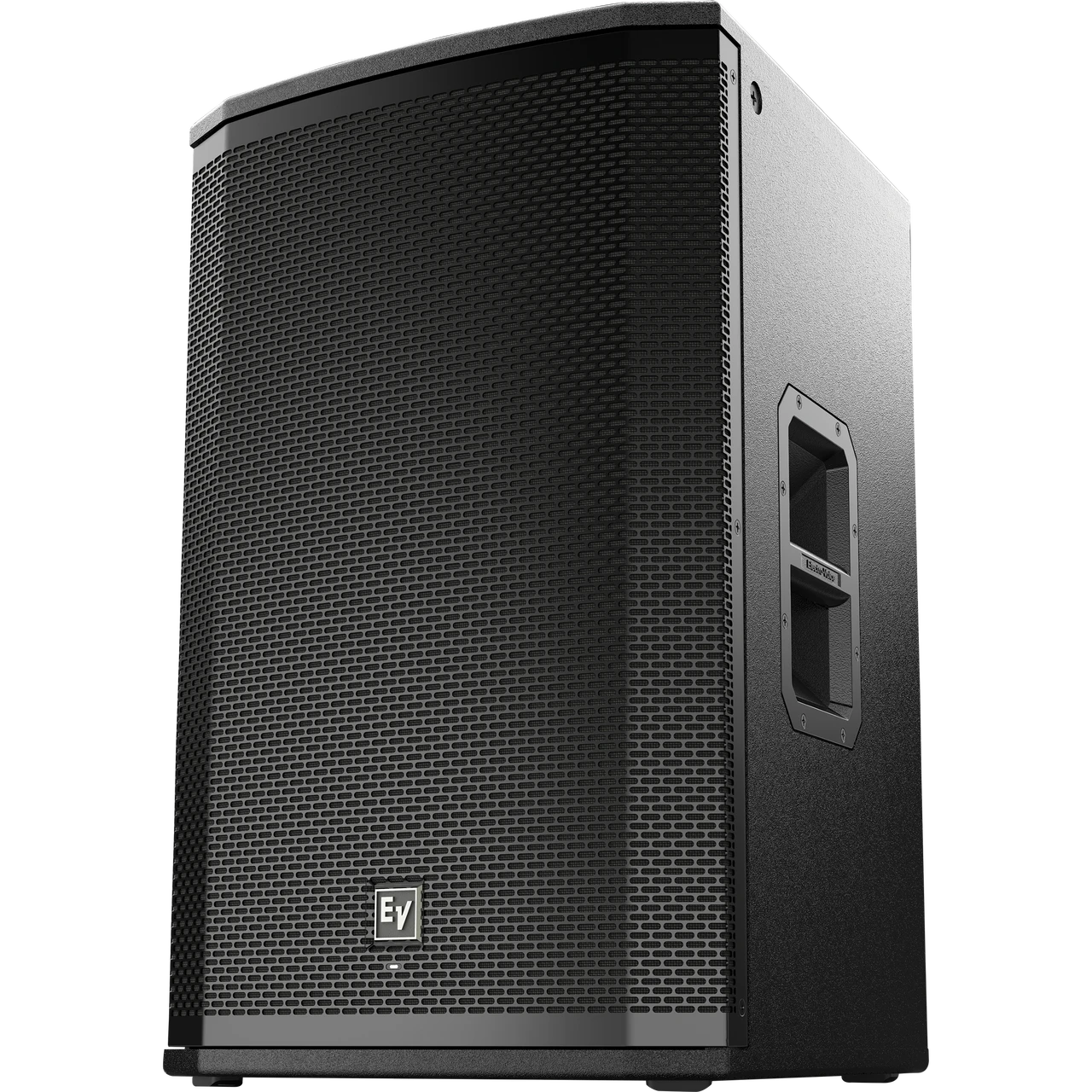
Electro-Voice ETX-15P Explained: A Beginner's Guide to Powered Speakers in 2026
If you've started shopping for a PA speaker and quickly felt buried under terms like powered, passive, DSP, SPL and crossover, you're not alone. Choosing your first serious loudspeaker can feel overwhelming, especially when a single speaker like the Electro-Voice ETX-15P costs as much as it does. The good news? Once you understand a few core concepts, it all starts to make sense, and you'll see exactly why this particular speaker has become a favourite among Australian musicians, DJs, schools, churches and hire companies.
This guide is written for newcomers. We'll explain what a powered speaker actually is, break down the ETX-15P's features in plain English, and give you honest, practical advice so you can buy with confidence, whether this is your very first speaker or your first proper one.
New to This? Start Here: What Is a Powered Speaker?
Let's begin with the single most important concept. A loudspeaker needs two things to make sound: a speaker driver (the cone and horn that physically move air) and an amplifier (the electronics that boost a weak audio signal into something powerful enough to drive those drivers).
There are two ways these can be packaged:
- Passive speakers have no built-in amplifier. You must connect them to a separate amplifier (sometimes called a "power amp"), plus speaker cables. More gear, more setup, more to understand.
- Powered speakers (also called "active" speakers) have the amplifier built right inside the cabinet. You just plug in power and an audio signal, and you're ready to go.
The "P" in ETX-15P stands for "powered", and the "15" tells you it has a 15-inch woofer (the large driver that handles bass and lower-midrange sounds). So the moment you read the name, you already know two important things: it's an active speaker, and it's built around a big 15" driver. That's a great habit to build early, as most brands name their speakers this way.
Why beginners love powered speakers: they're simpler. You don't need to match an amplifier to your speakers (a process that trips up plenty of newcomers), and you carry fewer boxes. For the vast majority of first-time buyers, powered is the right answer.
Understanding the Electro-Voice ETX-15P's Key Features
Now that the basics are clear, let's look at what makes this particular speaker special. We'll define each feature as we go, so nothing gets left unexplained.
A 15-Inch Woofer and 2-Inch Compression Driver
The ETX-15P is what's known as a two-way speaker. This means it splits sound into two frequency ranges and sends each to a driver designed for that job:
- The 15" woofer handles the lows and low-mids, the kick drum thump, bass guitar, and the body of vocals.
- The 2" titanium compression driver (mounted behind a horn) handles the highs, the crispness of cymbals, consonants in speech, and clarity in music.
The electronics that decide which sound goes to which driver are called the crossover. You don't need to configure this; it's handled automatically inside the cabinet. Just know that the two-way design is why the speaker sounds full and clear rather than muddy or harsh.
2000 Watts of Power, and What That Number Really Means
You'll see the ETX-15P advertised with a powerful built-in Class-D amplifier rated at up to 2000 watts peak. Wattage is a rough guide to how loud and how "effortless" a speaker can be, but here's a beginner tip: watts alone don't tell the whole story. A well-designed 2000W speaker can easily outperform a cheaply made one claiming the same number.
What matters more is real-world loudness, measured as maximum SPL (Sound Pressure Level) in decibels. The ETX-15P delivers a very high maximum SPL, which in plain terms means it can comfortably fill a medium-to-large room, an outdoor gig, or a busy function without straining. For most pubs, clubs, schools and houses of worship in Australia, a pair of these will be more than enough.
Onboard DSP: The Smart Brain Inside
Here's a feature that genuinely sets the ETX series apart for beginners. DSP stands for Digital Signal Processing, and it's essentially a small computer inside the speaker that fine-tunes the sound for you.
The ETX-15P has a small LCD screen and control knob on the back that let you select from preset modes. For example, you can tell the speaker how you're using it:
- Music mode for DJs and playback
- Live mode for bands and vocals
- Speech mode for presentations and announcements
- Settings for whether it's on a stand, on the floor as a monitor (angled back towards performers), or flown overhead
This is brilliant for newcomers because the speaker effectively gives you professional tuning without requiring you to understand equalisation. You pick what you're doing, and the DSP does the technical work. As you grow more confident, you can dig deeper, but you're never forced to.
Flexible Inputs You'll Actually Use
On the back you'll find combo XLR/TRS inputs, the standard professional connectors for microphones, mixers, instruments and media players. "Combo" simply means the socket accepts more than one type of plug, which removes a common source of confusion for beginners. There's also a loop/link output so you can chain a second ETX-15P from the first, handy for covering a wider space.
A Beginner-Focused Buying Guide
Specs are useful, but the real question is: is this the right speaker for you? Let's work through it the way an experienced friend would.
What Beginners Should Prioritise
- Match the speaker to your room and crowd. A 15" speaker like the ETX-15P is a strong all-rounder. The larger woofer gives you more bass and headroom than a 12" model, making it ideal if you play music, run a mobile DJ rig, or need to cover bigger spaces.
- Think in pairs. For music and most live use, you'll want two speakers for proper stereo and even coverage. Budget accordingly, even if you start with one and add the second later.
- Consider weight and portability. A powered 15" speaker is a solid, substantial box. If you're loading in and out of venues solo regularly, factor in the lifting. The ETX-15P includes sturdy handles and a pole socket for stand mounting.
Common Beginner Mistakes to Avoid
- Buying on wattage alone. As we covered, the number on the box isn't the full picture. Trust a reputable brand like Electro-Voice and real SPL figures over big marketing numbers from unknown makers.
- Forgetting you still need a source. A powered speaker amplifies a signal, but you still need something to plug in: a mixer, a DJ controller, a laptop, or at minimum a microphone. Plan your full signal chain.
- Skipping speaker stands. Getting the speaker up off the floor and closer to ear height dramatically improves clarity and coverage. It's an inexpensive upgrade that makes a big difference.
- Pushing a too-small speaker too hard. Many beginners buy underpowered gear, then run it at maximum, where it distorts and can be damaged. Buying capable speakers like the ETX-15P means you'll run them comfortably within their limits.
Good Starter Choice vs Stepping Up
It's fair to ask whether a speaker like this is "too much" for a beginner. Here's an honest take: the ETX-15P sits in the professional tier, a step above entry-level plastic speakers. If you only need occasional sound for a small backyard party, there are cheaper options that will do.
But if you're a gigging musician, a mobile DJ, a venue, a school or a place of worship, buying at this level early actually saves money. You won't outgrow it in six months, the build quality and reliability are far higher, and the resale value of Electro-Voice gear holds up well. Think of it as buying a tool that grows with you rather than one you'll quickly replace.
Getting Started: What to Expect After You Buy
One of the friendliest things about a speaker like this is how quickly you can be up and running, while still leaving room to learn.
Your First Setup
A basic first session looks like this:
- Place the speaker on a stand (recommended) or the floor.
- Connect mains power.
- Run a cable from your mixer, controller or device into the XLR/TRS input.
- Use the rear screen to choose a DSP preset that matches what you're doing.
- Start with the volume low, then bring it up gradually.
That's genuinely it for day one. You'll be making great sound within minutes.
A Realistic Look at the Learning Curve
The speaker itself is easy. The wider skill, mixing your sources well, positioning speakers to avoid feedback, and tuning a room, takes time and practice. Don't expect to master live sound overnight; nobody does. The ETX-15P helps by being forgiving and consistent, so as your skills improve, the speaker keeps up rather than holding you back.
Support and Resources
Electro-Voice is a long-established, globally respected pro-audio brand, which means plenty of online tutorials, manuals and community knowledge exist. Buying from an established Australian retailer also means local warranty support and someone to call when you have questions, something well worth having on your first major purchase.
Ready to take a closer look at the specs and current pricing? View the Electro-Voice ETX-15P here.
Common Questions From Beginners
Do I need any special cables?
Standard XLR cables (the common three-pin microphone-style cables) will cover most uses. If you're connecting a laptop or phone, you may need an adapter to XLR or TRS. A retailer can point you to the right one for your gear.
Can I use just one ETX-15P?
Yes. For speech, a small event, or a vocal monitor, a single speaker is perfectly fine. For music and stereo coverage, two is ideal. Many people start with one and add a second later, the link output makes this easy.
Is 15-inch better than 12-inch for a beginner?
Not strictly "better", just different. A 15" speaker like the ETX-15P offers more bass and output, suiting music, DJing and larger spaces. A 12" is lighter and great for speech or tighter venues. Choose based on what you'll do most.
Will I need a separate subwoofer?
Not necessarily. The ETX-15P produces strong low-end on its own. If you're a club DJ or want chest-thumping bass, a matching sub can be added down the track, but it's not required to get great results from day one.
Beginner-Friendly Recommendation
If you're after a first speaker that's genuinely professional, simple to operate, and capable enough that you won't outgrow it, the Electro-Voice ETX-15P is one of the easiest recommendations to make. The built-in DSP removes the technical barriers that frustrate newcomers, the powered design keeps setup simple, and the trusted Electro-Voice name means reliability you can count on at every gig.
Start with one if your budget is tight, add a second for stereo when you're ready, and let the speaker grow alongside your skills. It's a confident, future-proof choice for Australian beginners stepping up to serious sound.
Check availability and pricing on the Electro-Voice ETX-15P at MusiconStage and start your sound journey with gear the pros trust.