
dB Technologies VIO X205: Multipurpose Active Speaker Buyer's Guide 2026
dB Technologies VIO X205: The Multipurpose Active Speaker Australian Pros Need to Know About in 2026
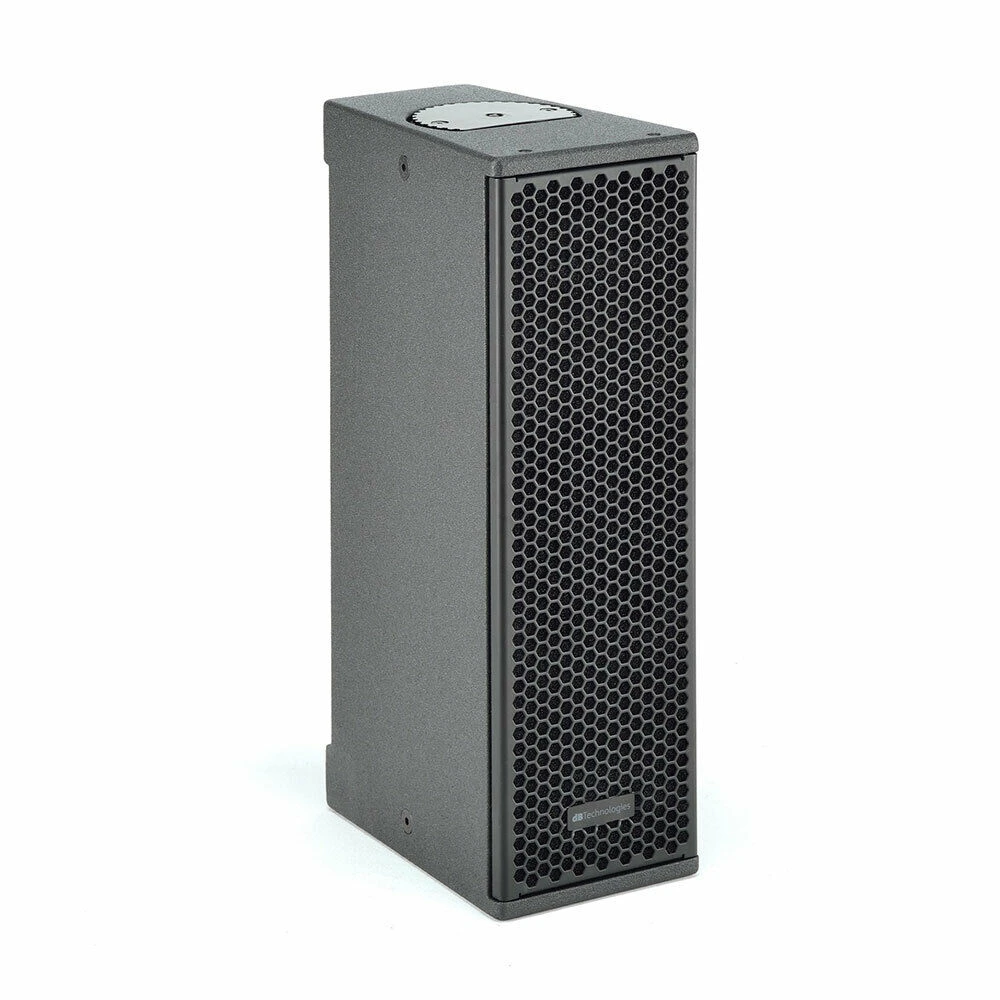
If you've spent any time looking at compact, high-performance point source loudspeakers for install or live reinforcement work in Australia, the dB Technologies VIO X205 has probably crossed your radar. It sits in that sweet spot where serious engineering meets real-world versatility — and for a lot of sound professionals, that's exactly the combination they're after.
But here's the thing: the compact active loudspeaker market is genuinely competitive right now. With options from QSC, JBL, Yamaha, Electro-Voice, RCF, and others all vying for the same gigs, how do you know if the VIO X205 is the right call for your specific situation? That's what this guide is here to sort out.
What Exactly Is the VIO X205?
The dB Technologies VIO X205 is a compact, 2-way active loudspeaker from the Italian manufacturer's VIO X series — their professional-grade point source range designed for both fixed installation and portable applications. The "205" designation tells you the driver configuration: dual 5-inch low-frequency drivers paired with a 1-inch compression driver on a rotatable horn.
What makes the VIO X range different from dB Technologies' more budget-friendly lines (like the Opera or LVX series) is the engineering pedigree. The VIO X series borrows technology directly from the flagship VIO line array system — the same DSP platform, the same attention to pattern control, and the same Italian build quality that's earned dB Technologies a loyal following in the European install market.
Key Specifications at a Glance
| Specification | dB Technologies VIO X205 |
|---|---|
| Type | 2-way active point source |
| LF Drivers | 2 x 5" neodymium woofers |
| HF Driver | 1" compression driver |
| Amplification | Class D, Digipro G4 platform |
| Max SPL | 123 dB peak |
| Frequency Response | 70 Hz – 20 kHz (-6 dB) |
| Coverage | Rotatable 100° x 50° horn |
| DSP | Onboard 56-bit DSP with presets |
| Connectivity | XLR input/link, powerCON |
| Enclosure | Baltic birch plywood, polyurea coating |
| Weight | Approx. 8.5 kg |
| Rigging | Multiple M8/M10 rigging points, optional brackets |
| Colour | Black (custom RAL colours available) |
Why the VIO X205 Stands Out in the Current Market
Let's be honest — there's no shortage of compact active loudspeakers available in Australia. So what actually sets the VIO X205 apart? Having looked at this category extensively, a few things genuinely differentiate it.
1. The Dual 5-Inch Configuration
Most compact point source speakers in this class use a single 6.5" or 8" woofer. The VIO X205's dual 5-inch approach is deliberately different. Two smaller drivers working together deliver tighter transient response and better power handling relative to their frontal area than a single larger driver. You get surprisingly punchy low-mid performance from a box that's genuinely compact.
The trade-off? You won't get the absolute low-end extension of an 8-inch box. The VIO X205 is honest about its physics — it's designed to be paired with subwoofers for full-range duties, or used standalone for speech and light music reinforcement where sub-bass isn't critical.
2. Digipro G4 Amplification Platform
dB Technologies' fourth-generation Digipro amplifier module is the same platform used across their professional VIO line array range. That matters because it means the power section and DSP have been refined through multiple generations of real-world touring use. The Class D amplifiers run efficiently and cool, which is particularly relevant for Australian install environments where ambient temperatures can be brutal.
3. Genuine Installation Versatility
The rotatable horn is a bigger deal than it might sound. Being able to flip the coverage pattern between 100° x 50° and 50° x 100° without any tools means you can mount this speaker horizontally or vertically and maintain proper audience coverage either way. Multiple M8 and M10 rigging points, plus dedicated optional brackets, give you installation flexibility that cheaper speakers simply don't offer.
4. Italian Build Quality
The Baltic birch plywood cabinet with polyurea coating isn't just a spec sheet flex — it genuinely matters for longevity, especially in Australian conditions. Polyurea is significantly more durable than standard paint finishes and resists UV degradation, moisture, and impact damage. If you're installing speakers in a venue that needs to look professional for years, this construction approach pays for itself.
Who Should Actually Consider the VIO X205?
Not every speaker is right for every application, and being upfront about that actually helps you make a better decision. Here's where the VIO X205 genuinely excels — and where you might want to look elsewhere.
Ideal Applications
- Fixed installations in small-to-medium venues: Restaurants, bars, corporate boardrooms, houses of worship, retail spaces. The compact form factor and clean aesthetics make it disappear into architecture.
- Distributed sound systems: Where you need multiple speakers covering a space evenly, the tight pattern control and consistent off-axis response make system design predictable.
- Stage monitoring (nearfield): The dual 5-inch configuration delivers clear, punchy mid-range that cuts through on stage without excessive volume.
- Corporate AV and conferencing: Speech intelligibility is genuinely excellent, and the rotatable horn means you can optimise coverage for seated audiences.
- Portable PA for acoustic acts and DJs: Light enough for one person to carry, powerful enough for intimate venues when paired with a sub.
Where You Might Want Something Different
- High-volume live bands without subs: If you need standalone full-range performance at serious volume, an 8" or 10" powered speaker will serve you better.
- Large outdoor events: The VIO X205 is a nearfield/medium-throw speaker. For large throws, look at the larger VIO X models or dedicated line array systems.
- Ultra-budget installations: If cost is the primary driver and you don't need the premium build quality or DSP, there are more affordable options that get the job done.
How the VIO X205 Compares: Head-to-Head Analysis
Here's where things get genuinely useful. Let's stack the VIO X205 against the speakers it most commonly competes with in the Australian pro audio market.
| Feature | dB Technologies VIO X205 | QSC AP-5102 | JBL Control 25-1 | Yamaha VXS5 |
|---|---|---|---|---|
| Driver Config | 2 x 5" + 1" CD | 2 x 5.25" + 1" CD | 5.25" + 0.75" tweeter | 5.25" + 0.75" tweeter |
| Amplification | Active (built-in Class D) | Passive (requires external amp) | Passive (requires external amp) | Passive (requires external amp) |
| Max SPL | ~123 dB | ~116 dB (with rated power) | ~108 dB | ~106 dB |
| Onboard DSP | Yes — 56-bit, multiple presets | No | No | No |
| Rotatable Horn | Yes (100° x 50°) | Yes (100° x 50°) | No (110° conical) | No (conical) |
| Cabinet Material | Baltic birch + polyurea | ABS plastic | Fibreglass | ABS plastic |
| Weight | ~8.5 kg | ~5.5 kg | ~3.6 kg | ~2.7 kg |
| Weather Rating | Indoor (outdoor models available) | Indoor/Outdoor (IP rated) | Indoor/Outdoor | Indoor/Outdoor options |
| Price Point | Mid-Premium | Premium | Mid-Range | Budget-Mid |
VIO X205 vs QSC AP-5102
The QSC AP-5102 is probably the closest direct competitor in terms of driver configuration and target market. Both use dual 5-inch drivers with a compression driver, and both feature rotatable horns for flexible mounting.
The key difference? The VIO X205 is active — it has built-in amplification and DSP processing. The QSC is passive and requires external amplifiers and potentially a separate DSP processor. For some installations, that's actually preferable (centralised amp racks with easier maintenance). But for many applications, having everything self-contained in the VIO X205 simplifies installation, reduces rack equipment costs, and means every speaker in your system is perfectly matched to its amplifier.
Winner: The VIO X205 wins for simplicity and total system cost. The QSC wins if you need IP-rated outdoor performance or prefer a centralised amp architecture.
VIO X205 vs JBL Control 25-1 / Yamaha VXS5
These are both popular install speakers in Australia, but they're really in a different performance class. Both are passive, single-woofer designs without onboard processing. They're lighter, smaller, and significantly less expensive — but they also deliver considerably less output, less pattern control, and less sonic refinement.
Winner: If your budget allows it and you need genuine pro-level performance, the VIO X205 is in a different league. If you're doing basic background music in a café and cost matters more than performance, the JBL or Yamaha will do the job at a fraction of the price.
VIO X205 vs RCF C5215 / Electro-Voice EVID-S5.2
Both RCF and EV offer competitive options in the compact install speaker category. The RCF C5215 brings Italian design pedigree (RCF and dB Technologies actually share some Italian pro-audio DNA), while the EV EVID series is a staple in commercial installations globally.
The VIO X205's advantage over both is the active design with onboard DSP. You don't need to worry about amp matching, crossover tuning, or separate processing — it's all optimised internally. The trade-off is that active speakers require power at each speaker location rather than just speaker cable from a central amp rack.
The VIO X Series Range: Where Does the X205 Fit?
Understanding where the X205 sits within dB Technologies' own lineup helps you decide if it's the right size for your needs.
| Model | Configuration | Best For |
|---|---|---|
| VIO X205 | 2 x 5" + 1" CD | Small-medium rooms, nearfield monitoring, speech |
| VIO X206 | 2 x 6.5" + 1" CD | Medium rooms needing more low-end |
| VIO X208 | 2 x 8" + 1.4" CD | Medium-large spaces, live music support |
| VIO X210 | 2 x 10" + 1.4" CD | Large venues, main PA duties |
The X205 is the most compact member of the family. If you find yourself thinking "I love the VIO X approach but I need more output or low-end extension," stepping up to the X206 or X208 keeps you in the same ecosystem with the same DSP platform and similar rigging hardware. That scalability within a single product family is genuinely valuable for AV integrators who want consistency across different-sized projects.
Real-World Considerations for Australian Buyers
Australia presents some specific challenges that affect loudspeaker choice. Here's what matters locally.
Heat and Climate
Class D amplification runs cooler than Class AB, which matters when speakers are installed in ceiling voids, enclosed soffits, or outdoor areas that bake in the Australian sun. The VIO X205's Digipro G4 platform is designed for continuous operation — it includes thermal management that de-rates power gradually rather than hard-cutting if things get too warm. That's significantly better behaviour than cheaper active speakers that simply shut down when they overheat.
Supply and Support
dB Technologies has established distribution in Australia, which means warranty support and spare parts are accessible locally. This is worth considering seriously — some European pro audio brands have excellent products but patchy Australian support. Check with your dealer about local warranty terms and turnaround times before committing.
Compliance
Active speakers sold in Australia need to meet local electrical safety standards. The VIO X205 carries the appropriate certifications for professional use. If you're doing a commercial installation, your electrician and building certifier will want to see this documentation — make sure your supplier can provide it.
What to Consider Before Buying: Your Decision Framework
Before you commit to the VIO X205 — or any speaker in this class — work through these questions. They'll save you from the most common purchasing mistakes in the pro audio install market.
1. Active vs Passive: Which Architecture Suits Your Project?
Choose active (like the VIO X205) if:
- You want simplified installation with fewer components
- You want guaranteed amplifier-to-driver matching
- Onboard DSP and preset management appeal to you
- Running power to each speaker location is practical
- You value lower total system cost (no separate amps/processing)
Choose passive if:
- You prefer centralised amplification for easier maintenance
- You need long cable runs (speaker cable is cheaper than power + signal cable)
- The installation requires 70V/100V distributed audio
- You want maximum flexibility to swap amps or processing later
2. Do You Actually Need This Level of Speaker?
Be honest with yourself. If you're doing background music in a small café and speech clarity isn't critical, a $300 passive install speaker will genuinely do the job. The VIO X205 is for situations where audio quality, pattern control, reliability, and build quality actually matter — corporate AV, performance venues, houses of worship, high-end hospitality, and professional monitoring.
3. Have You Accounted for the Full System?
The VIO X205 doesn't exist in isolation. Consider:
- Subwoofers: If you need bass below 70 Hz, you'll need subs. dB Technologies' VIO S series or SUB line are natural partners.
- Mounting hardware: Budget for the correct brackets or yokes. dB Technologies offers dedicated accessories.
- Cabling: Active speakers need both signal and power cable runs to each location.
- Control: Explore dB Technologies' Aurora Net software for networked system management if you're installing multiple units.
4. Common Mistakes to Avoid
- Undersizing: Buying speakers that are too small for the space and then pushing them into distortion. If in doubt, step up to the VIO X206.
- Ignoring coverage patterns: A great speaker aimed wrong is worse than an average speaker aimed right. Use the rotatable horn properly.
- Forgetting about aesthetics: In install environments, the speaker needs to look right in the space. The VIO X205's clean design helps, and custom RAL colours are available if black doesn't suit.
- Skipping acoustic treatment: No speaker can fix a room with terrible acoustics. Address the room first, then choose speakers.
Value Assessment: Is the VIO X205 Worth the Investment?
Let's talk value honestly. The VIO X205 sits in the mid-to-premium price bracket for compact install speakers. It's not the cheapest option, and it's not pretending to be. But here's how the value equation actually works out:
Total system cost advantage: Because it's self-powered with onboard DSP, you eliminate the cost of separate amplifiers, crossovers, and signal processing. When you add those costs to a comparable passive speaker system, the VIO X205 often comes out at a similar or lower total investment.
Installation labour savings: Simpler systems install faster. Fewer components means less rack wiring, less configuration, and less commissioning time. For professional integrators billing by the hour, this saving is real and significant.
Longevity and reliability: The polyurea-coated birch ply cabinet, proven Digipro amplifier platform, and quality Italian manufacturing mean this speaker is built to last a decade or more in a fixed installation. Cheaper speakers that need replacing in 3-5 years aren't actually cheaper.
Verdict on value: For serious installations where audio quality and reliability matter, the VIO X205 represents strong value when you consider total system cost and long-term ownership. For casual or budget installations, it's more speaker than you need — and there's no shame in choosing something simpler.
Our Honest Recommendation
The dB Technologies VIO X205 is a genuinely impressive compact loudspeaker that punches well above what its physical size suggests. The dual 5-inch configuration, onboard DSP, proven Digipro amplification, and premium build quality make it a compelling choice for professional installations and portable applications where quality matters.
It's not trying to be everything to everyone — and that's actually a strength. It knows what it is: a precise, well-engineered point source speaker for nearfield and medium-throw applications. If that matches your needs, it's one of the best options in its class available in Australia right now.
If you're an AV integrator, sound designer, or venue manager looking for a reliable, high-performance compact speaker that simplifies your system design while delivering genuinely professional results, the VIO X205 deserves a serious audition.
Ready to hear the VIO X205 for yourself? Check the current price and availability at MusiconStage — Australia's trusted pro audio retailer.
Frequently Asked Questions
Can the VIO X205 be used outdoors?
The standard VIO X205 is designed for indoor use. For outdoor installations, check with your dealer about weather-rated versions or appropriate enclosures. The polyurea coating provides some moisture resistance, but extended outdoor exposure requires purpose-built weatherproofing.
What subwoofer pairs best with the VIO X205?
dB Technologies' own VIO S series subwoofers are the natural pairing, as they share the same DSP ecosystem and can be managed together through Aurora Net software. However, any quality subwoofer with appropriate crossover capability will work — the VIO X205's onboard DSP includes high-pass filter presets designed for sub/sat configurations.
How many VIO X205 speakers do I need for my venue?
This depends entirely on your room dimensions, coverage requirements, and desired SPL. As a rough guide: for a 100-square-metre restaurant or bar with 3-metre ceilings, four to six VIO X205 speakers would typically provide even coverage. Proper system design with acoustic modelling software (like EASE or dB Technologies' own design tools) is always recommended for professional installations.
Is the VIO X205 suitable for live music?
Yes, with caveats. For acoustic acts, jazz ensembles, or as stage monitors, the VIO X205 performs beautifully. For louder live music (rock, electronic), you'll need subwoofer support and possibly the larger VIO X206 or X208 for main PA duties. The X205 excels as a nearfield monitor or fill speaker in larger live sound systems.
View the dB Technologies VIO X205 at MusiconStage Australia →